The sudden and suspicious halt in reporting executions on human rights reference websites since March 8, coinciding with military conflicts and a nationwide internet shutdown, is a serious alarm for a human rights catastrophe in absolute silence. This blackout occurs while the regime had already executed 648 people in only the first two months of 2026. By exploiting the state of armed conflict, the Islamic Republic has now stripped prisoners of their media protection and moved the process of deprivation of life to dark backrooms. Dr. Mai Sato, the UN Special Rapporteur, warned at the recent Human Rights Council session that the Islamic Republic is using war as a tool for an unprecedented escalation of domestic repression. She announced the death toll of the January protests at over seven thousand, but new visual evidence, including a shocking image from mortuaries showing the number 11780 on the body of one of the victims of the extrajudicial killings during the January 2026 uprising, proves that the scale of the massacre is far broader than initial international estimates.

Imminent Risk of Mass Executions in Darkness and Enforced Disappearances
The Nineteenth-day information vacuum and the statistical silence of monitoring organizations, caused by the government’s complete blockage of information channels, have denied any possibility of verification regarding the status of dozens of prisoners sentenced to death. The internet shutdown during this period is not merely a telecommunications measure but a security tactic to conceal the killing machine. Any execution carried out during these 19 days of silence is classified as an extrajudicial killing and enforced disappearance. In this same dark information context, the complete loss of communication with Soheil Arabi, a former political prisoner, since a week ago has significantly increased concerns about his abduction and arbitrary detention under wartime conditions.
State Murder and Brutal Suppression of Justice Seekers
The dimensions of this systematic killing do not end with prisons, and targeting unarmed citizens is a clear manifestation of crimes against humanity. Fatemeh Abbasi, a citizen from Isfahan who was shot in the neck by government snipers during the January 9 protests while trying to provide refuge to protesters, died on March 12 after enduring two months of complications from spinal cord injury. Security forces not only refused to be held accountable for this state murder but also intervened in her funeral at Bagh-e Rezvan Cemetery, arresting the victim’s father and 13-year-old brother to stifle any voice of justice in its infancy.

Evin Crisis and Intentional Neglect of Prisoners
Alongside street killings, reports from Evin Prison, which was previously targeted by bombings during the war, indicate a silent humanitarian disaster. Prison authorities have brought living conditions to the lowest possible level by cutting off hot water and causing widespread disruptions in the electricity supply, which now operates only with diesel generators. Amid a widespread outbreak of colds and infectious diseases, access to medicine has been completely cut off, and each prisoner’s ration has been reduced to one tablespoon of syrup or a single pill. The absence of prison staff and the abandonment of prisoners without medical and sanitary facilities in an area at high risk of bombing is a clear violation of the Mandela Rules and Directive 211 of the Prisons Organization Regulations, which mandate ensuring the safety and release of prisoners in wartime conditions.
Suppression of Minorities in a Monitoring Vacuum
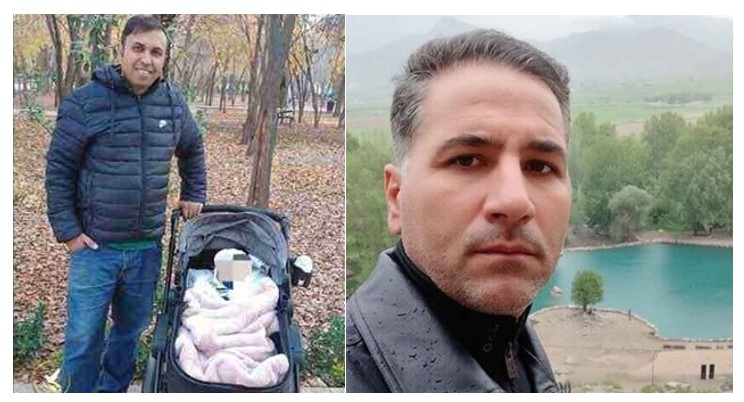
Using this information darkness, the security apparatus has intensified the wave of arrests of civil activists and minorities. On March 17, Moslem Zarei, a Kurdish writer and cultural activist in Kermanshah, was arrested without a judicial warrant and transferred to an unknown location, while his sister had also been targeted for repression previously. Two days earlier, Pejman Zare, a Baha’i citizen living in Shiraz, was arrested following a raid on his home by Ministry of Intelligence agents and the seizure of electronic devices and religious books. These arbitrary arrests, based on the suppression of beliefs and ethnic repression, show that the regime is settling accounts with all pillars of civil society.
Necessity of Urgent Intervention by International Bodies
The international community and the UN Fact-Finding Mission must immediately respond to this news blackout and documented crimes. The number 11780 recorded on the bodies of protesters and the 19 days of absolute silence regarding execution statistics are clear evidence that the Islamic Republic’s killing machine recognizes no red lines. International organizations must use binding legal instruments to force the regime to clarify the status of death row prisoners, end the biological siege in prisons like Evin, and immediately release those detained; otherwise, an irreparable catastrophe will occur in the dark corners of this regime.