Let the World Know What Happened in Iran
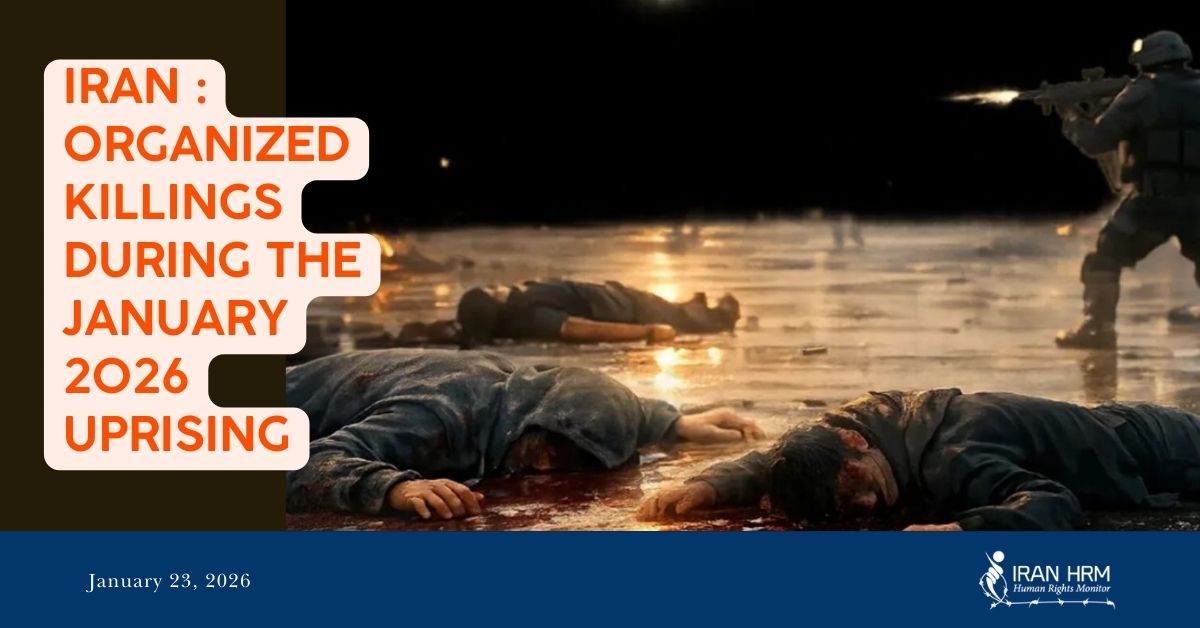
During the nationwide uprising of January 2026, streets across Iran turned into scenes that will remain etched in collective memory; bodies lying on asphalt, families searching in darkness for traces of their loved ones, and an imposed silence through internet shutdowns to muffle the sound of gunfire. Among these cities, Fardis in Karaj stands out as one of the bloodiest examples of repression. There, direct live fire, execution-style shots to the wounded, and coercion of families revealed the naked face of organized violence. What follows is a field-based account of those days; drawn directly from eyewitness testimony, unfiltered and without embellishment.

Fardis During the Uprising; A City Turned into a Battlefield
According to direct eyewitness accounts, as protests intensified, Fardis became fully securitized. The massive presence of people in the streets, severe clashes, and the combat deployment of security forces transformed the city into a scene resembling all-out war.
One witness stated: “During the days of the uprising, Fardis was in chaos because of the people and the clashes. The streets were a bloodbath. It was war; a full-scale war between the people and Khamenei’s forces.”
The same witness emphasized that once the crackdown began, the internet was widely cut to prevent documentation and transmission of events and to conceal the true dimension of the killings.
Timeline of the Killings; January 7 and 8, 2026
Field reports indicate that the bloodiest repression in Fardis peaked over two consecutive days.
On January 7, 2026, in the Siah-Noush neighborhood of Fardis, security forces opened direct fire on civilians, marking the first wave of killings. According to witnesses, bodies of young people lay on the ground, with no possibility of medical assistance.
On the evening of January 8, 2026, crowds of protesters concentrated around the Third Roundabout of Fardis. One eyewitness described the moment the massacre began:
“On Friday, January 8, suddenly the agents charged at the people. There were a lot of people at the Third Roundabout. They attacked and immediately started firing machine guns.”
According to this witness, gunfire began around 8:00 p.m. and continued until approximately 9:30 p.m. Chases and clashes persisted until midnight.
Eyewitness Testimonies
One witness, observing events from inside a basement, recounted: “I threw myself into a basement. Through a small window I could see. Many people; about 60 who had been shot; were lying on the ground. The wounded were on the ground and the agents were finishing them off right there. I saw it with my own eyes. It was something I had only seen in movies.”
The witness stressed that all age groups were among the wounded; young and old, even children. After the execution-style shots, the forces collected the lifeless bodies and took them away.
Collection of Bodies and Secret Removal
The same witness stated: “I managed to leave around 3:30 in the morning. When I was sure no one was there and that the bodies had been collected and taken away, I left the area.”
Witnesses said this was done to conceal the real number of victims.
Theft of Bodies and Coercion of Families
Another harrowing account concerns the fate of a victim’s family. A witness explained:
“The family searched for their loved one for three days. Finally, they were told the body was in Kahrizak. Because they could not pay the price of the bullet, they were forced to accept that their brother was a Basij member in order to receive the body.”
This account shows that violence did not end in the streets; it continued through extortion, humiliation, and systematic pressure on families.
Kahrizak; Bodies Without Families
Another witness described the situation in Kahrizak:
“You could not even step on the ground there. Everything was covered in blood. The smell of blood filled the place. It was clear that some of the bodies had families, but no one was there for them.”
These accounts indicate that bodies from Fardis were transferred and held without transparent notification to families.
Direct Fire in the Siah-Noush Neighborhood
Completing this picture, another witness described the events of January 7 in Siah-Noush:
“On January 7, security forces committed a horrific crime by firing directly at the people. At least 10 young men were killed or seriously wounded, and bodies were lying on the ground.”
Elements of Organized Repression in Fardis
Taken together, these testimonies reveal clear elements of organized repression in Fardis:
- Use of military-grade weapons in urban areas
- Direct live fire at unarmed civilians
- Execution-style shots to the wounded
- Collection and secret transfer of bodies
- Internet and communications shutdown
- Coercion and extortion of victims’ families
These measures were implemented simultaneously and in a coordinated manner.
Families; The Continuation of Violence After the Killings
After the gunfire subsided, violence persisted in another form. Families were left in uncertainty, fear, and mourning. According to witnesses, condolence banners for young victims now cover walls and utility poles across Fardis. These are social markers of collective grief and of victims whose identities and fates remain concealed.
Human Rights Analysis
Direct fire at unarmed protesters, execution-style killing of the wounded, enforced disappearance of bodies, and coercion of families constitute grave violations of the right to life and other fundamental rights. What occurred in Fardis was not an isolated act, but the execution of a lethal policy that may amount to widespread and systematic human rights violations and fit the pattern of crimes against humanity.
Conclusion
Fardis, Karaj became a symbol of the killing of protesters during the January 2026 uprising. Field testimonies from this city present a stark picture of naked, organized violence; violence that began with execution-style shootings in the streets and continued through extortion of families. Preserving and documenting these testimonies is essential for accountability and for preventing the concealment and repetition of such crimes.