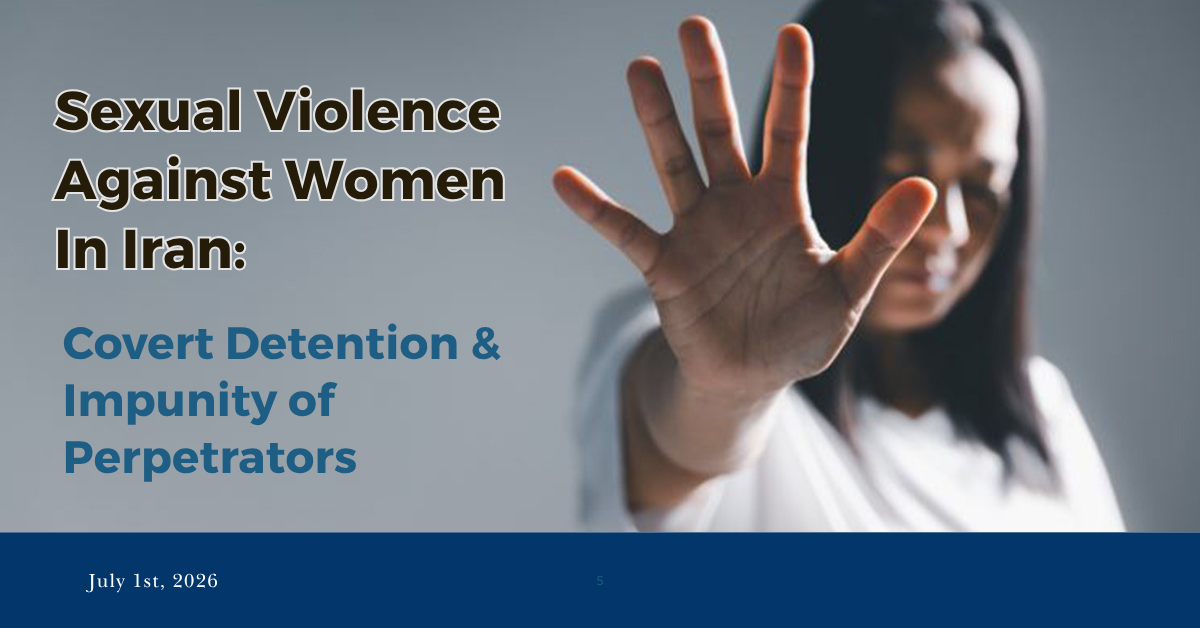
Amid numerous reports regarding the suppression of the 2009 popular protests in Iran, the case of covert detention centers in Shiraz reveals a horrific, organized, and targeted pattern of sexual violence and rape against detained women used as a mechanism for containment and intimidation. What renders this tragedy a living and critically urgent case today is its legal classification as a “Crime Against Humanity.” Under peremptory international norms, such systematic atrocities are never subject to any statute of limitations, meaning the passage of time does not diminish the legal validity of prosecuting its perpetrators. By exposing the role of paramilitary thugs led by Houshang Fahandaj Saadi and the judicial collusion that facilitated their escape, this report is not merely a narrative of the past, but concrete evidence of the ongoing structural cycle of impunity (exemption from punishment) in Iran.

Gender Targeting: The Organization of Repression Against Women and female Students in Shiraz
During the 2009 gatherings in Shiraz, Mullah Sadra Street, Golestan Boulevard, the Hafezieh area, and districts adjacent to Shiraz University witnessed a prominent and leading presence of women, particularly female college students (especially from the Faculty of Literature and Human Sciences). The pivotal role of women on the frontlines of these protests prompted the repressive apparatus to base its punitive mechanism on gender, directly targeting their dignity and psychological-physical security.
To execute this strategy, special units, the Basij, and the Islamic Revolutionary Guard Corps (IRGC) were deployed in key police stations, including the one in the Saadi region of Shiraz. However, the most harrowing part of this scenario was removing the detention process of women from any legal framework and outsourcing it to a network of paramilitary thugs operating on the fringes of the police station.
The Fahandaj Garages: Covert Detention Centers for the Sexual Torture of Women
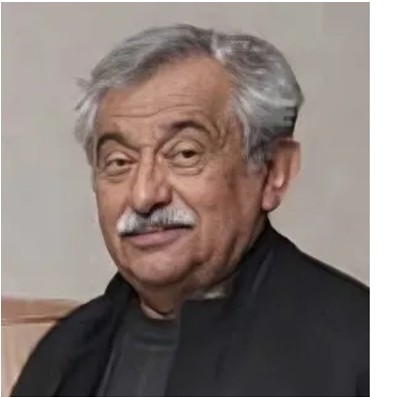
Adjacent to the Saadi region police station and near the Delgosha Garden, two large garages belonging to Houshang Fahandaj Saadi and Hamid Fahandaj Saadi were effectively converted into unofficial and covert detention centers for holding women. The operational management of these sites was directly handled by Houshang Fahandaj Saadi.
Short-Term Enforced Disappearance: Stripping Women of All Legal Immunities and Protections
- Abduction Without Official Registration: Basij and IRGC forces purposefully arrested women and female students in the streets or around the university campus, transferring them to these garages in vehicles with private license plates. The names of these women were never recorded in any official registry, leaving their families in absolute ignorance and paralyzing fear.
- The Garage Basements; A Sexual Slaughterhouse: According to shocking testimonies, the detained women were held at night in the dark, enclosed, and unsanitary basements of these garages; an environment completely severed from any administrative or judicial oversight, deliberately prepared to facilitate the commission of the gravest sexual crimes.
Documented Details of Organized Rape and Sextortion of Victims
Detailed reports indicate that the rape and sexual abuse of women in these garages was not random or accidental behavior, but rather a repeated, organized, and controlled process.
- The Role of the Ringleader and His Accomplices: Victims have revealed that they were initially assaulted and raped by an individual nicknamed “Haji,” who is none other than Houshang Fahandaj Saadi. Following him, two janitors and guards employed at the garage committed repeated rapes involving severe physical violence. The intensity of these sexual assaults was such that at least three of the women sustained serious physical injuries and required immediate medical treatment, yet they remained captive within the same environment.
- Double Torture via Sextortion: A systematic dimension of this crime involved filming and photographing the victims while the rapes were being committed. The perpetrators used these images to threaten the women that if they exposed the crimes, the footage would be published online. This character assassination and threat of public shaming within the societal context, combined with intimidation regarding the arrest of their families by security agencies, was weaponized to enforce mandatory silence upon the victims.
Engineering Impunity: How the Perpetrators of Rape Escaped Justice
The most glaring aspect of this case is the state apparatus’s mechanism for concealing the truth and guaranteeing absolute impunity for Houshang Fahandaj Saadi and his accomplices. Following the leak of reports concerning the rape of detained women, the reaction of senior officials in Fars Province was not to execute justice, but rather to establish comprehensive religious, security, and judicial coordination to close the case and punish the whistleblowers.
The Cover-Up Network and Key Figures in the Suppression of Truth:
- Protecting the Accused as “Value-Driven Forces”: Houshang and Hamid Fahandaj were not only never summoned or interrogated, but officials explicitly designated them as “trusted agents of the regime.” Any attempt to pursue their role was severely suppressed under the labels of “undermining revolutionary forces” and “blackwashing.”
- Asadollah Imani (The Then-Friday Prayer Leader) and Gholamhossein Gheybparvar (The Then-Commander of the Fajr Corps): These two senior officials, during covert meetings, issued direct orders to “swiftly wrap up the issue” and bury all information related to the rapes.
- Ali Moayedi (The Then-Commander of the Law Enforcement Forces): Led the mission to suppress field documentation at the Saadi police station and erase all traces of transferring women to the garages.
- Jaber Banshi (The Then-Prosecutor of Shiraz): Acted as the judicial barrier; he dismissed the reports containing details of rape and sexual abuse as “false and contrary to reality,” archived the case, and threatened the whistleblowers with judicial prosecution and career termination.
Legal Analysis: Organized Violation of Domestic Laws and International Documents Focusing on Violence Against Women
The perpetration of sexual violence, rape, and psychological torture against detained women in the absence of judicial oversight is a flagrant and explicit violation of the codified laws of the Islamic Republic of Iran itself, even before constituting a breach of global treaties. The managers of repression in Shiraz and the provincial judicial officials, by covering up these crimes, simultaneously violated an entire matrix of domestic laws:
- Violation of Constitutional Principles: According to Principles 22 and 39, the life, reputation, and dignity of individuals—and particularly detained persons—are absolutely immune from violation. Furthermore, transferring women to covert garages is a clear violation of Principle 32 (prohibition of arrest outside legal procedures) and an explicit defiance of Principle 38, which completely bans any form of torture or abuse to obtain information or break an accused person’s resolve.
- Fundamental Breach of the Islamic Penal Code: Under Article 570 of this law, any official or government agent who unlawfully deprives individuals of their personal liberty or denies them the rights prescribed in the Constitution is guilty of a crime. In addition, the perpetration of rape and severe physical violence in the garage basements constitutes a textbook definition of torture and “physical abuse and harassment” under Article 578, which mandates imprisonment and Qisas (retaliation in kind) for both the direct perpetrators (the rapists, including Houshang Fahandaj and his henchmen) and the commanders (the officials who issued the crackdown orders).
Therefore, facilitating the escape of Houshang Fahandaj from the courts and archiving the rape reports by the then-prosecutor of Shiraz represents an overt structural collusion to ensure impunity for crimes that carry the heaviest criminal penalties under the country’s own laws.
Aligning Evidence with International Instruments and the Legal Definition of Crimes Against Humanity
Under the peremptory norms of international criminal law (jus cogens), the atrocities committed in the covert detention centers of Shiraz transcend domestic infractions or ordinary crimes. By satisfying four core elements, these actions constitute a textbook case of “Crimes Against Humanity” and repeated violations of international treaties:
- Widespread & Systematic Attack: The assault on citizens in this case was not incidental or rogue behavior, but rather part of an orchestrated attack executed under a premeditated plan against a civilian population (female protesters) within the framework of a broader state policy of repression.
- Sexual Violence as a Weapon: Pursuant to Paragraph (g) of Article 7 of the Rome Statute, the systematic perpetration of rape and sexual abuse by state agents and paramilitary henchmen with the intent to interrogate, humiliate, and break the political will of women directly falls under the definition of crimes against humanity.
- Consolidating Structural Impunity via Tacit State Approval (State-Backed Impunity): The coordination among top religious, military, and judicial authorities of Fars Province (the Friday Prayer Leader, commanders of the IRGC and Law Enforcement Forces, and the then-prosecutor) to classify the case, archive documents, and facilitate the escape of the perpetrators represents explicit support, endorsement, and command from the power structure for these crimes.
- Short-Term Enforced Disappearance: The abduction, transfer, and detention of women in the basements of covert garages without any official registration of identity, leaving families in absolute ignorance, is a direct violation of Paragraph (i) of Article 7 of the Rome Statute (enforced disappearance).
In this light, these actions constitute systematic and flagrant violations of the following international treaties and covenants:
- Article 5 of the Universal Declaration of Human Rights (UDHR) and the Convention Against Torture (CAT): The state-sponsored and paramilitary rape and sexual violence perpetrated within the Fahandaj garages represent the absolute crudest form of torture, severe physical harm, and cruel, inhuman, and degrading treatment.
- Article 1 of the Universal Declaration of Human Rights: The weaponization of gender, sextortion, and assaults on the physical and biological autonomy of women for political containment completely obliterate the human dignity, worth, and identity that this article guarantees.
- Articles 8 and 10 of the Universal Declaration of Human Rights: Dismissing the credibility of documented rape reports by labeling them “false claims” by the then-prosecutor of Shiraz, combined with denying the female victims, absolute access to a fair trial and effective remedy, has guaranteed the continuity of the cycle of impunity.
Conclusion and Call for International Accountability: Breaking the Cycle of Impunity
What occurred inside the covert detention centers and garages of Shiraz was not a rogue disciplinary infraction, but rather an “organized gender-based sexual crime” weaponized as a strategic asset to contain political dissent and crush the resolve of female protesters. The engineered escape of Houshang Fahandaj and his henchmen from justice—sheltered by the aligned backing of the then-prosecutor, IRGC commander, chief of police, and Friday prayer leader of Shiraz—stands as undeniable evidence that sexual violence against women is a systematic tool insulated from accountability within the apparatus of repression.
Under international law, owing to the nature of these offenses as crimes against humanity, this case is subject to no statute of limitations. The rigorous documentation of these files, data, and the names of commanders and perpetrators remains a fundamental commitment to truth and accountability. This documented legal report has been compiled so that by invoking the principle of universal jurisdiction, the structural cycle of impunity in Iran can be shattered, ensuring that all commanders, perpetrators, and judicial figures who covered up these atrocities are ultimately brought to justice before competent tribunals for crimes against women and humanity.