
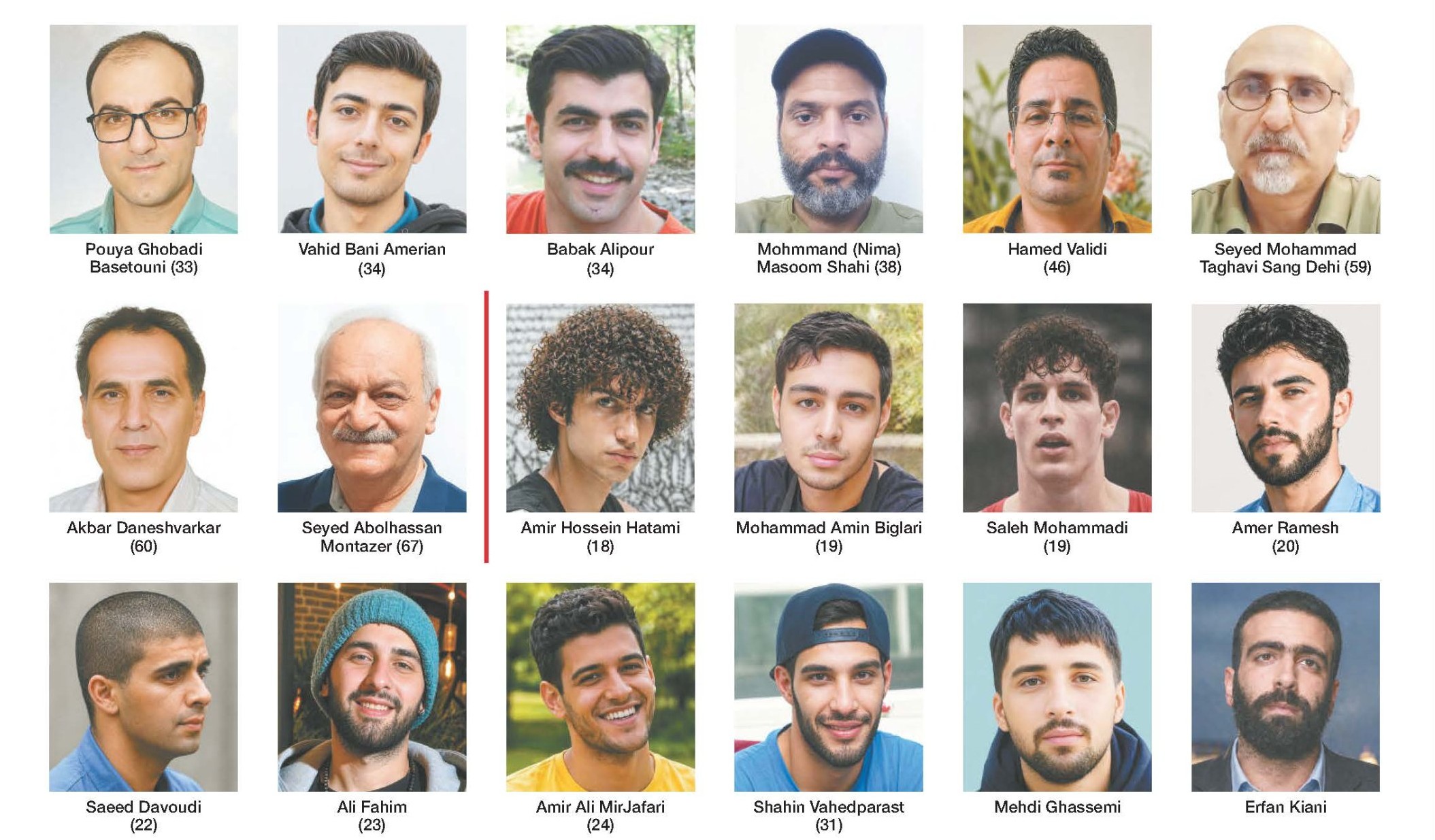
Iran’s Escalating Political Executions: Opposition Members and Protesters Hanged as Death Penalty Used to Silence Dissent
At Least 38 Political Executions Documented Since February 2026 as Opposition Supporters and Protest-Related Defendants Face a Rapid Wave of Executions
Qezel Hesar Emerges as the Main Site of Political Executions While Security Charges Continue to Fuel Death Sentences
*Date Updated: August 12, 2026
May 2026 — Iranian authorities have sharply intensified the use of the death penalty in cases linked to political affiliation, protests, and national security allegations. Since March 19, 2026, Iran Human Rights Monitor (Iran HRM) has documented at least 38 political executions, revealing an alarming pattern in which the death penalty appears increasingly deployed as a tool of repression against perceived dissent and opposition activity.
Reports collected from state media outlets and judicially affiliated sources indicate a concentrated campaign targeting individuals accused of political opposition, participation in protests, alleged affiliation with opposition groups, and broad national security offenses.
Among the documented cases, 9 individuals were identified as members or supporters of the People’s Mojahedin Organization of Iran (PMOI/MEK), while 29 executions involved protest-related or politically motivated cases. Nine additional executions involving alleged espionage-related charges are documented separately for reference.
Most notably, Qezel Hesar Prison has emerged as the primary site for these executions, raising concerns regarding coordinated judicial and security practices.
Key Findings: A Growing Pattern of Political Executions
- At least 38 political executions documented since February 28, 2026
- 9 PMOI-related executions
- 29 protest-related or politically motivated executions
- 9 additional espionage-related executions documented separately
- Qezel Hesar Prison recorded the highest concentration of executions
- Multiple cases involved national security or political accusations
- Several executions were linked to protest-related allegations
- Documentation remains ongoing and the actual number may be significantly higher
These executions increasingly reflect a pattern in which capital punishment is used beyond criminal prosecution and appears aimed at suppressing dissent and instilling fear throughout society.
Growing concerns among human rights advocates stem from longstanding patterns involving allegations of forced confessions, lack of transparency, restrictions on legal defense, and politically driven judicial proceedings. Due to limited public information, internet restrictions, and reports of secrecy surrounding many cases, the true number of executions and individuals at risk may be considerably higher.
Political Prisoners Executed for PMOI Affiliation
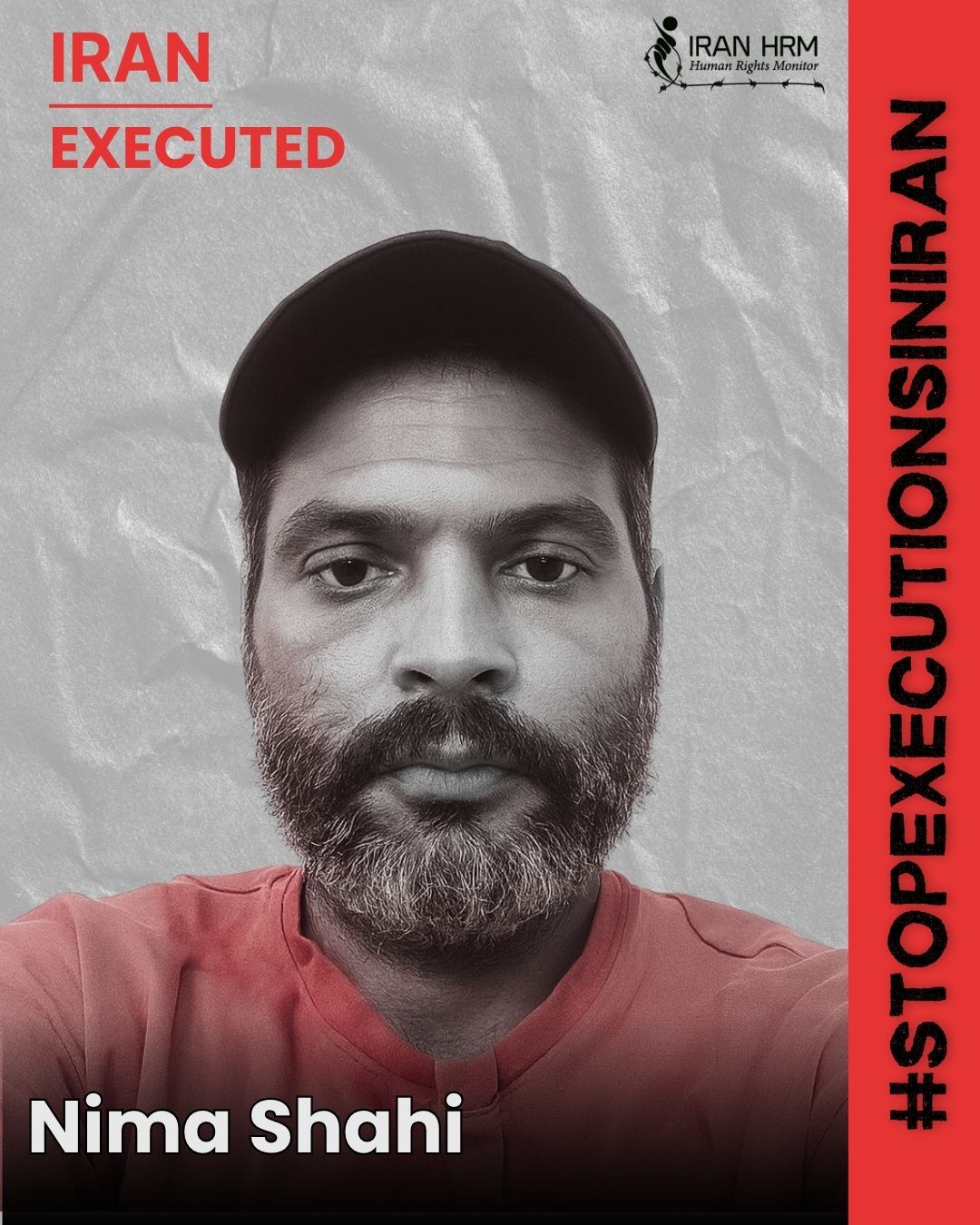
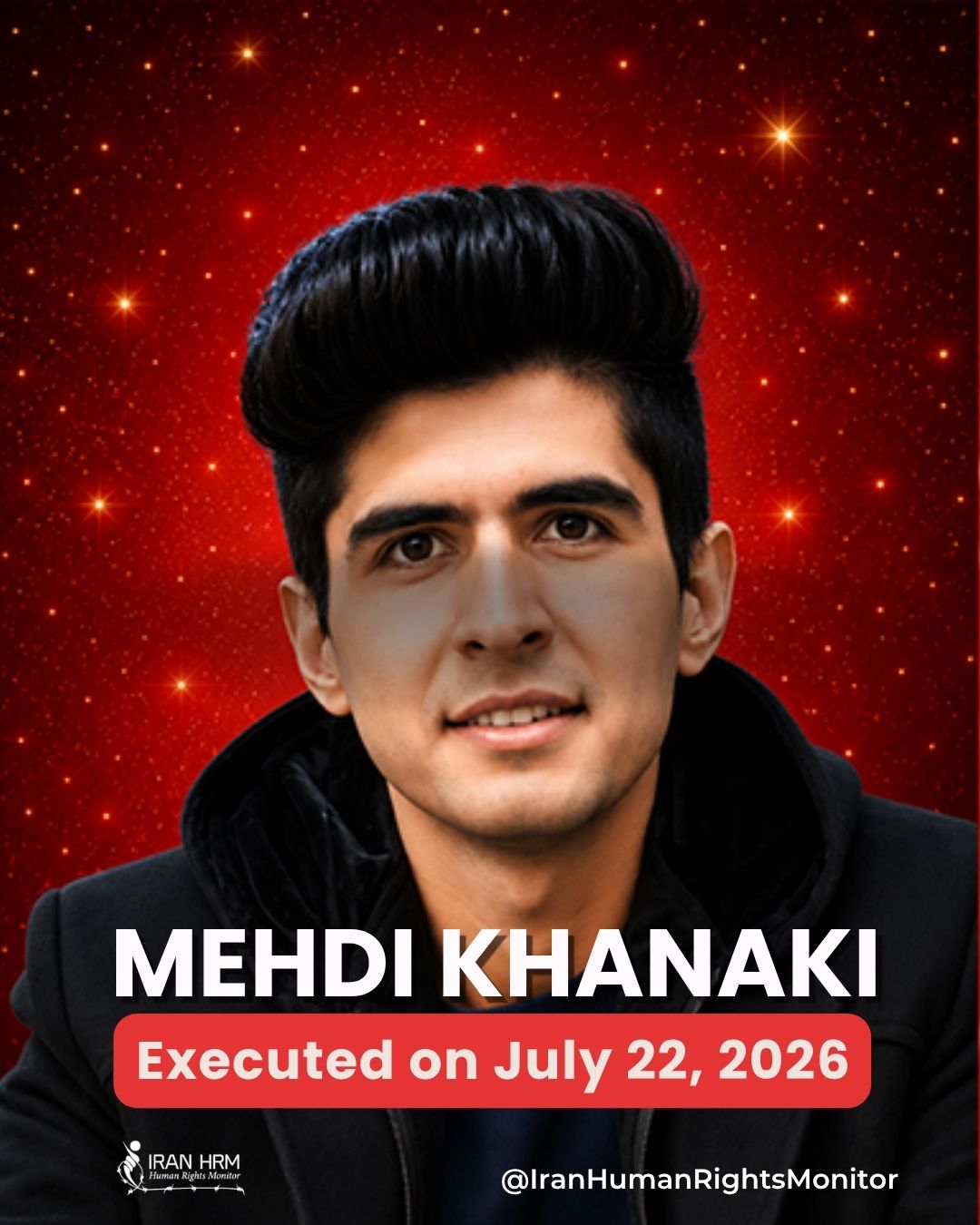
Iran HRM documented nine executions involving individuals accused of affiliation with the People’s Mojahedin Organization of Iran (PMOI/MEK). Most of these executions were carried out in Qezel Hesar Prison.
The known cases include:
| Date of Execution | Names | Location |
|---|---|---|
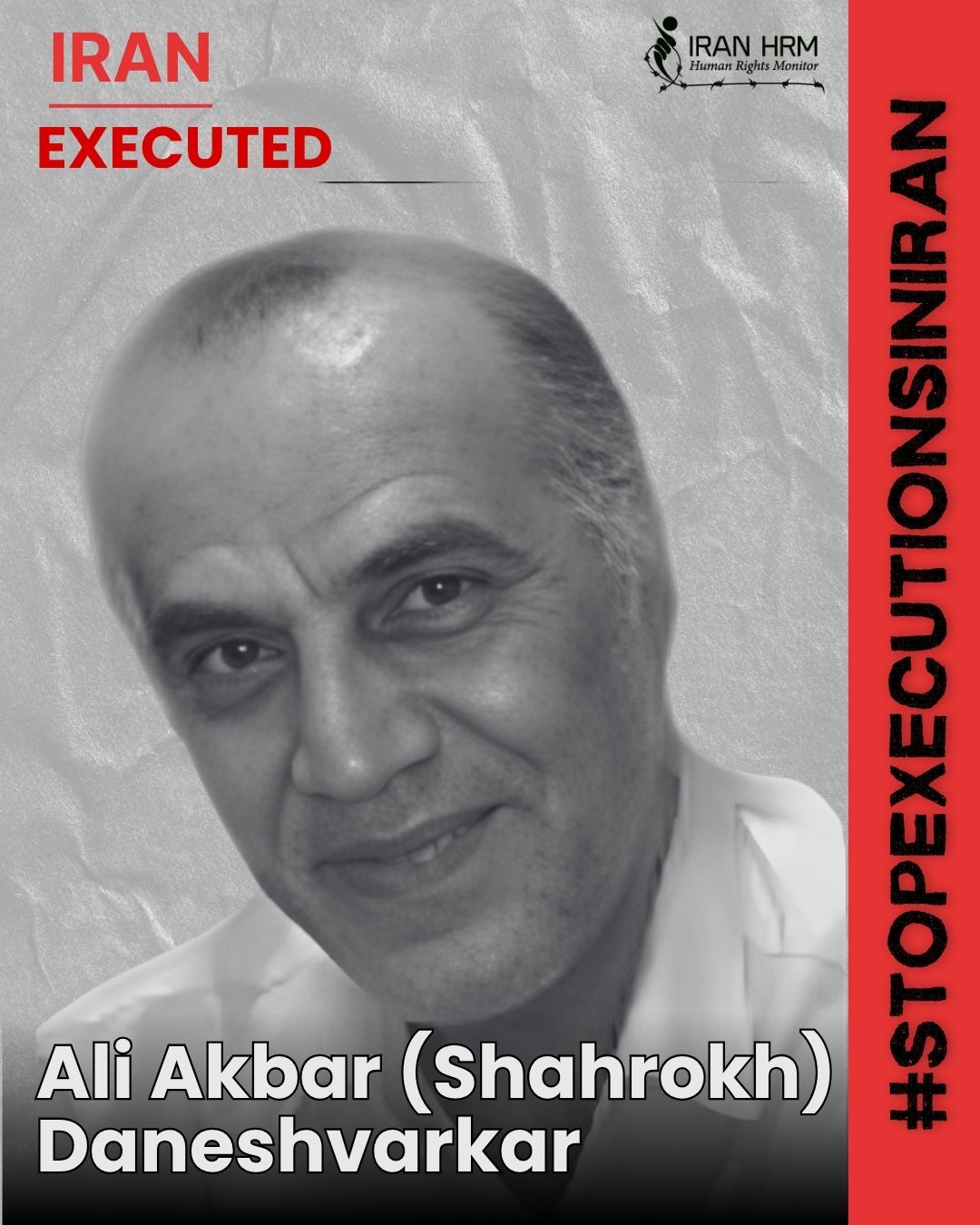
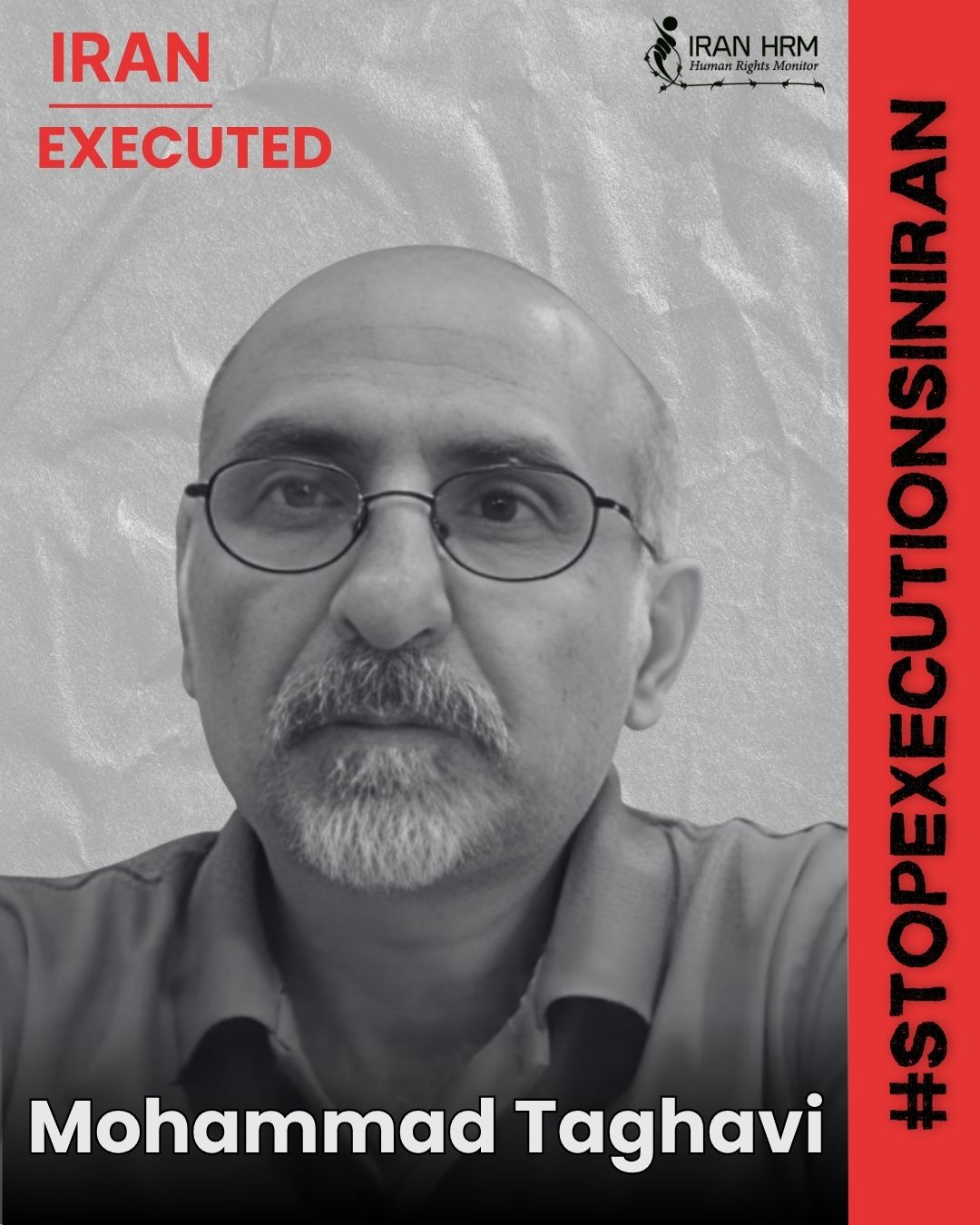
| March 30, 2026 | Akbar Daneshvarkar, Mohammad Taghavi Sangdehi |
Qezel Hesar Prison |
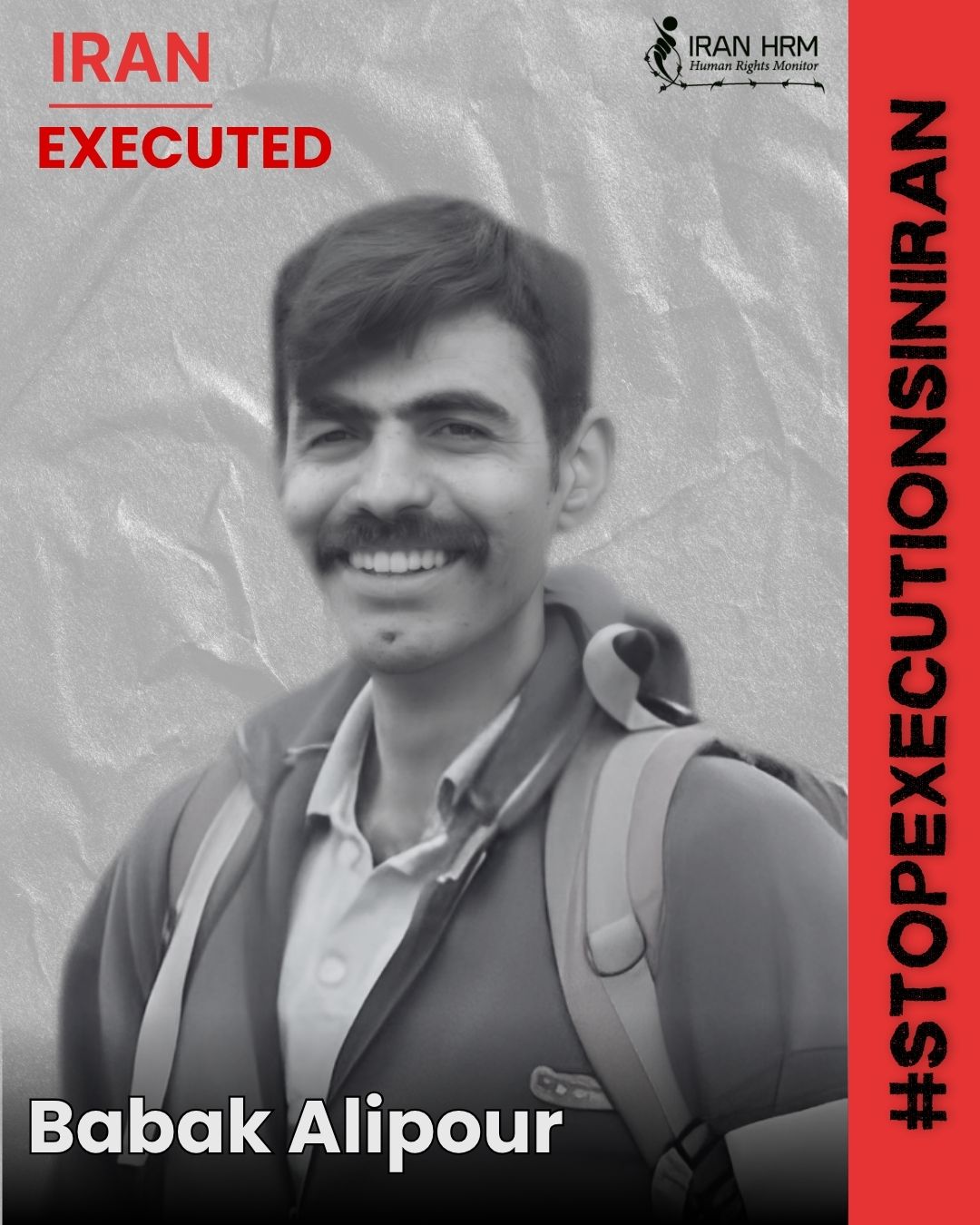
| March 31, 2026 | Babak Alipour, Pouya Qobadi |
Qezel Hesar Prison |
| April 4, 2026 | Abolhassan Montazer, Vahid Bani Amerian |
Qezel Hesar Prison |
| April 20, 2026 | Mohammad Masoum Shahi (Nima Shahi), Hamed Validi |
Qezel Hesar Prison |
| July 22, 2026 | Mehdi Khanaki | Qezel Hesar Prison, |
The concentration of these executions in Qezel Hesar Prison raises concerns regarding coordinated judicial practices and the treatment of prisoners accused of affiliation with opposition movements.
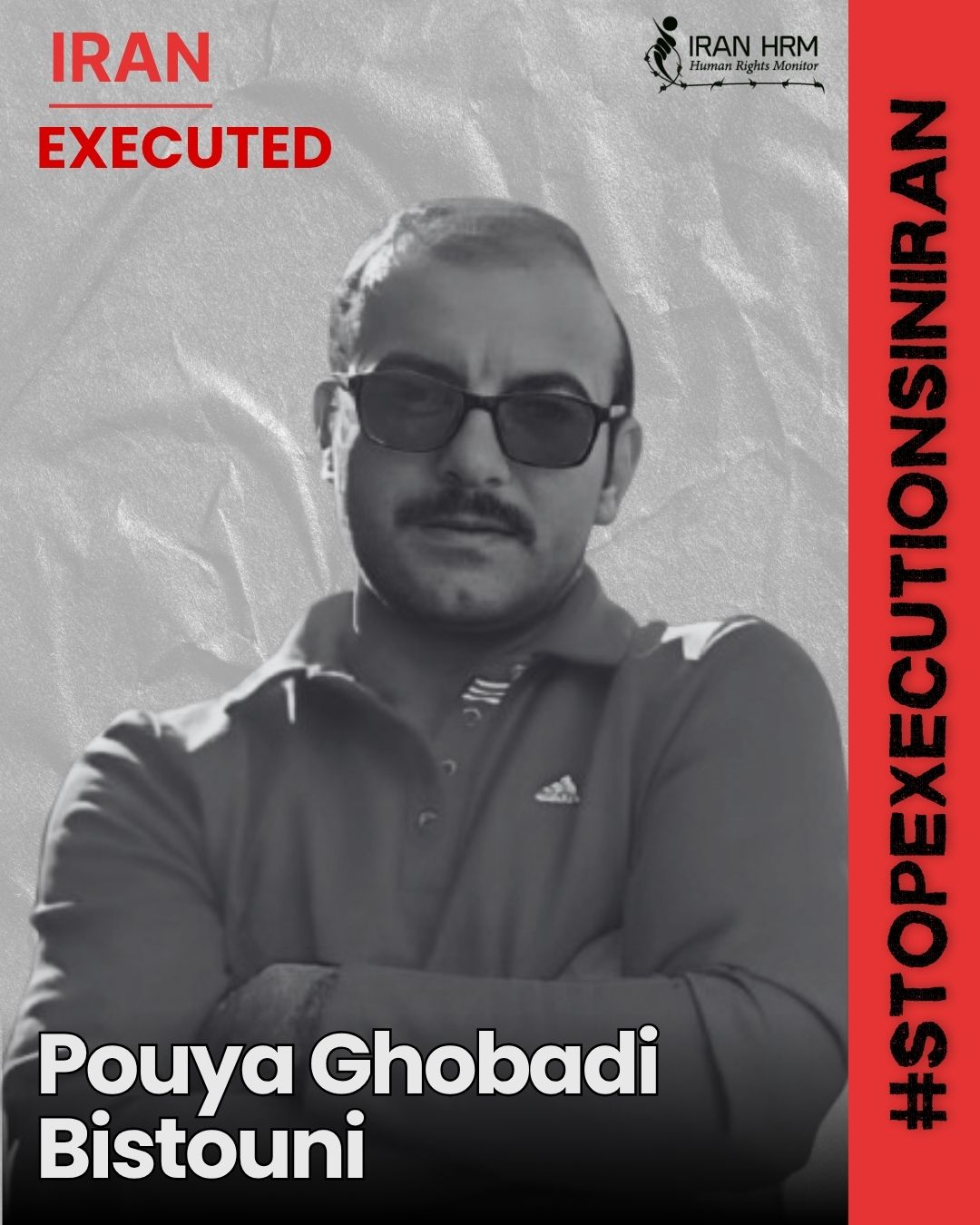
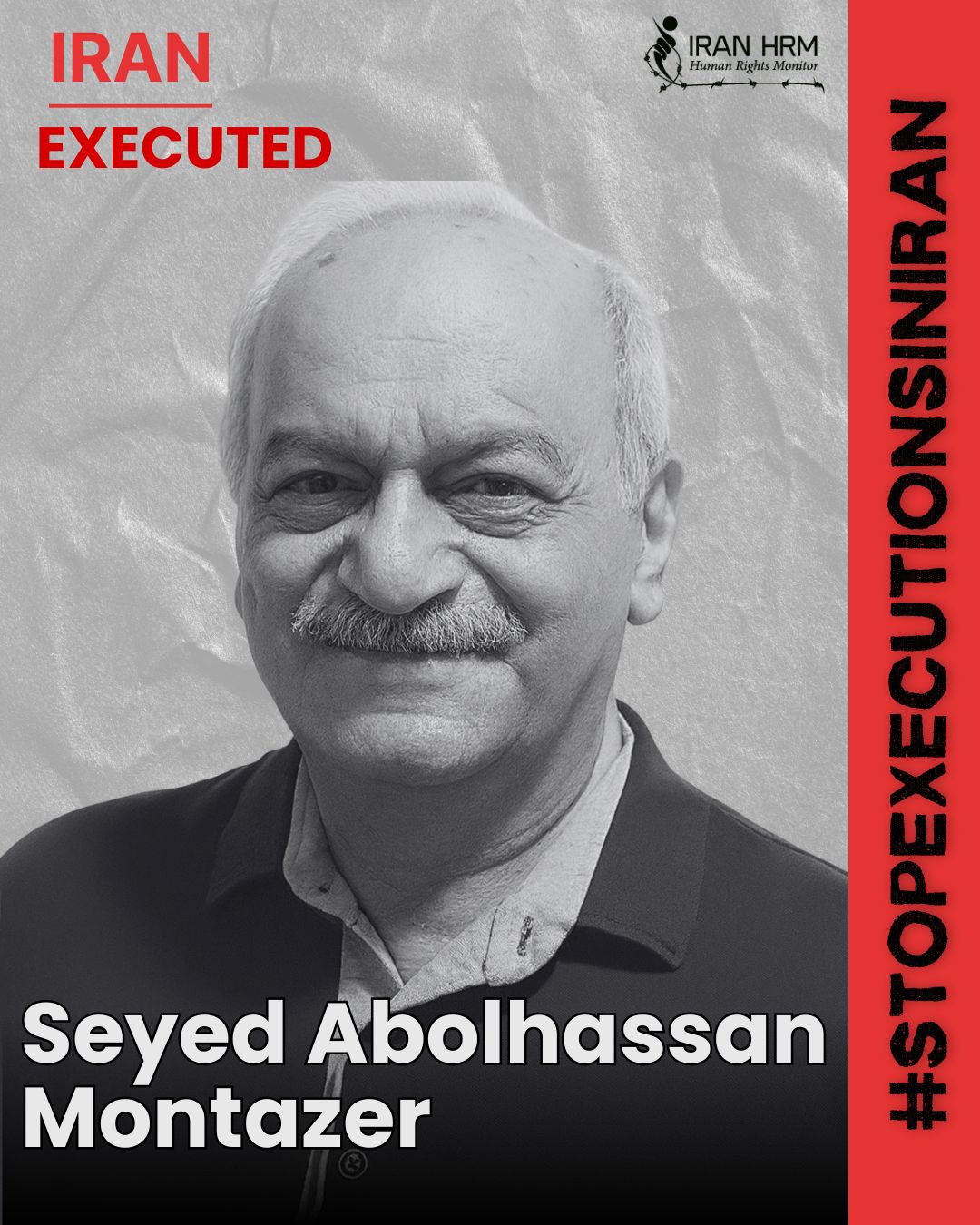
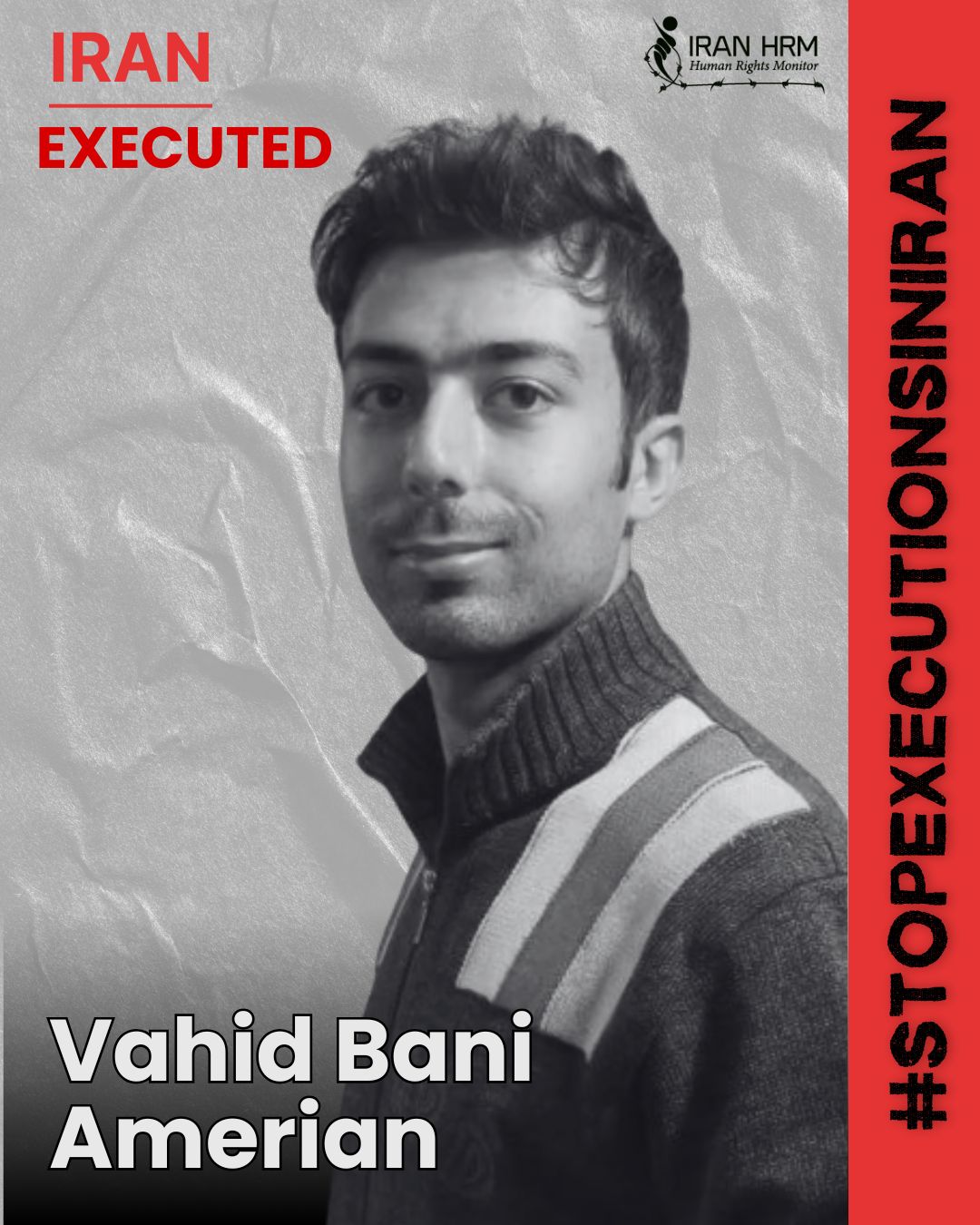
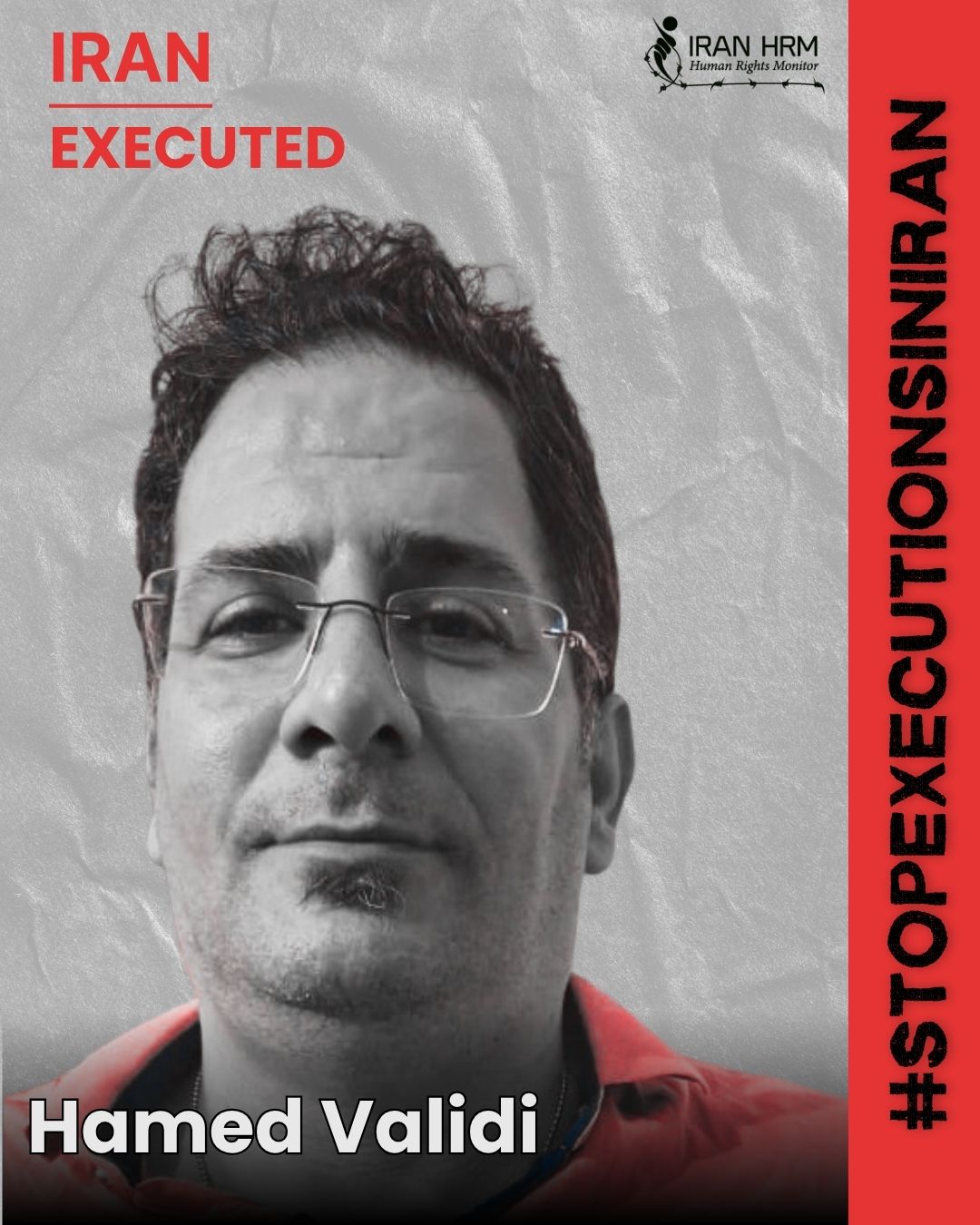
Protest-Related and Politically Motivated Cases
Iran HRM documented 29 executions involving protesters and individuals prosecuted in cases linked to political unrest or security allegations.
Many of these defendants reportedly faced broad charges commonly used in political cases, including “enmity against God,” national security offenses, or accusations linked to protest activities.
| Date of Execution | Names | Location |
|---|---|---|
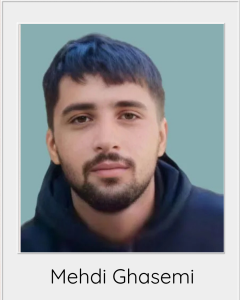
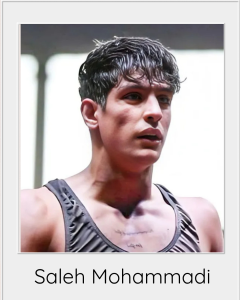
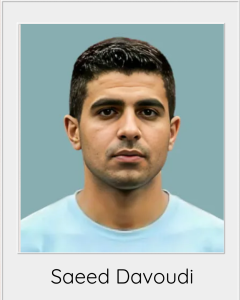
| March 19, 2026 | Mehdi Ghasemi, Saleh Mohammadi, Saeed Davoudi | Qom |
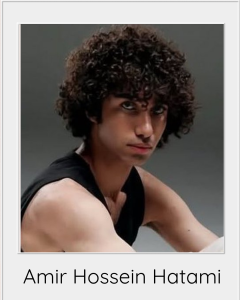
| April 2, 2026 | Amir Hossein Hatami | Qezel Hesar Prison |
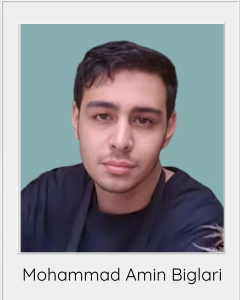
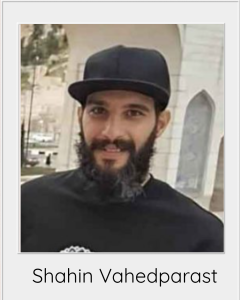
| April 5, 2026 | Mohammad Amin Biglari, Shahin Vahedparast | Qezel Hesar Prison |
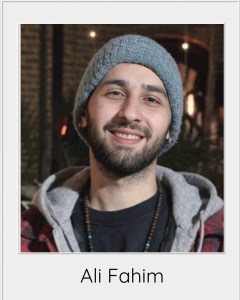
| April 6, 2026 | Ali Fahim | Qezel Hesar Prison |
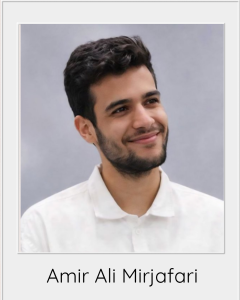
| April 21, 2026 | Amir Ali Mirjafari | Qezel Hesar Prison |
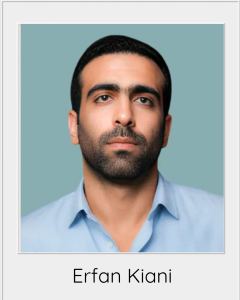
| April 25, 2026 | Erfan Kiani | Isfahan |
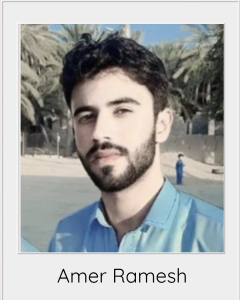
| April 26, 2026 | Amer Ramesh | Zahedan |
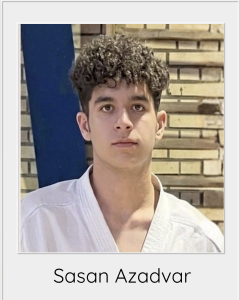
| April 30, 2026 | Sasan Azadvar | Isfahan |
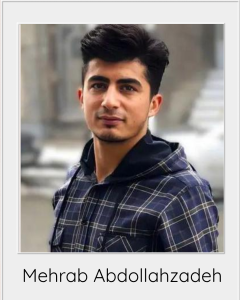
| May 3, 2026 | Mehrab Abdollahzadeh (Kurdish) | Urmia |
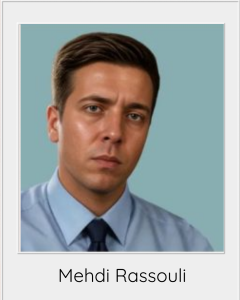
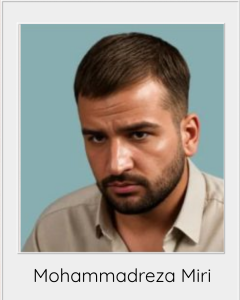
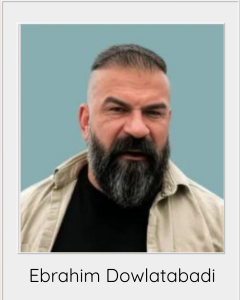
| May 4, 2026 | Mehdi Rasouli, Mohammadreza Miri, Ebrahim Dolatabadi | Mashhad |
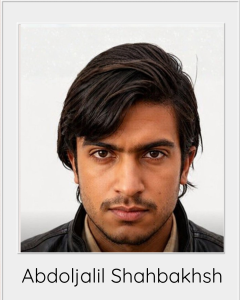
| May 12, 2026 | Abdoljalil Shahbakhsh | Zahedan |
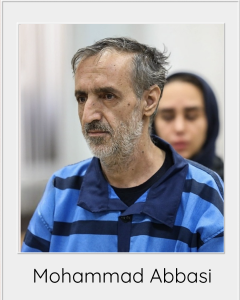
| May 13, 2026 | Mohammad Abbasi | Tehran |
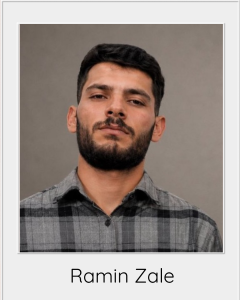
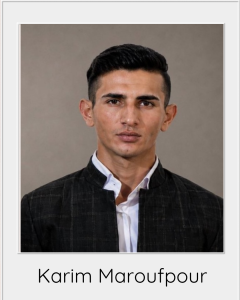
| May 21, 2026 | Ramin Zaleh, Karim Maroufpour | Naghadeh |
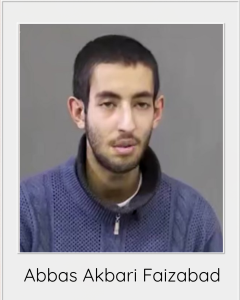
| May 25, 2026 | Abbas Akbari Feizabad | Nain County, Isfahan |
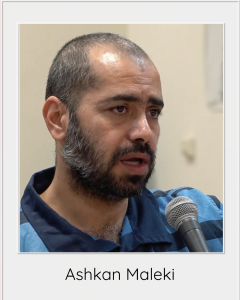
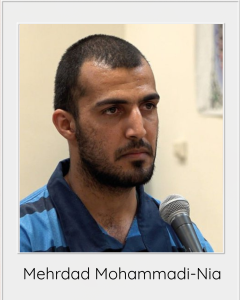
| June 1, 2026 | Mehrdad Mohammadi-nia, Ashkan Maleki | Tehran |
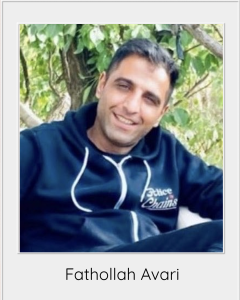
| June 3, 2026 | Fatollah Avari | Hamedan |
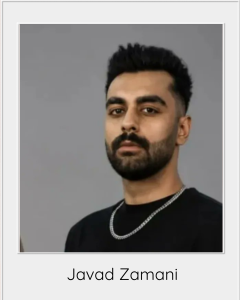
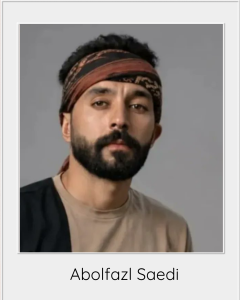
| June 16, 2026 | Javad Zamani, Abolfazl Saedi | Shahroud |
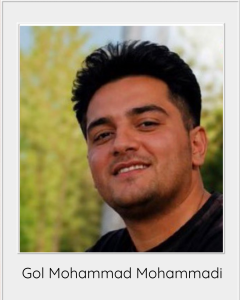
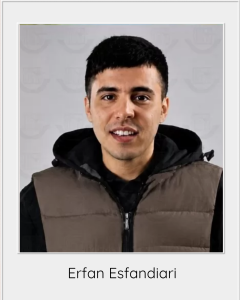
| July 19, 2026 | Erfan Esfandiari, Gol Mohammad Mohammadi | Isfahan |
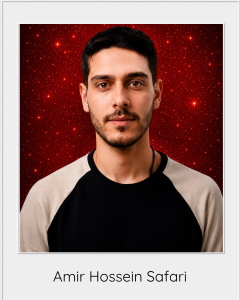
| July 28, 2026 | Abolfazl Sepahi Badjani (24), Amirhossein Safari Hosseinabadi (27) | Isfahan |

Espionage Cases
Additional Cases for Reference
The following executions involved allegations of espionage or intelligence-related offenses. Due to the distinct nature of these charges and limited publicly available information, these cases are listed separately and are not included in the primary documented count.
| Date of Execution | Names | Location |
|---|---|---|
| March 18, 2026 | Kourosh Keyvani (Swedish-Iranian dual national) | Qezel Hesar Prison |
| April 22, 2026 | Mehdi Farid (former employee of Iran’s Atomic Energy Organization) | Qezel Hesar Prison |
| April 23, 2026 | Soltanali Shirzadi Fakhr | Qezel Hesar Prison |
| May 2, 2026 | Yaghoub Karimpour, Naser Bakerzadeh | Urmia |
| May 11, 2026 | Erfan Shakourzadeh | Qezel Hesar Prison |
| May 13, 2026 | Ehsan Afrashteh | Tehran |
| May 24, 2026 | Mojtaba Kian | Not specified |
| May 26, 2026 | Gholamreza Khani Shekarab | Not specified |
The True Numbers May Be Higher
Iran HRM believes the true number of politically motivated executions and individuals facing execution may be considerably higher than currently documented.
Internet disruptions, restricted access to legal representation, lack of judicial transparency, and reports of secret executions continue to obstruct independent documentation efforts. Human rights organizations have repeatedly warned that executions conducted under opaque judicial processes create significant barriers to determining the full scale of state repression.