Overview of the Situation of Political and Conscientious Prisoners in Iran
An overview of the situation of political prisoners in Iran demonstrates that arbitrary arrests, prolonged pre-trial detentions in a state of legal limbo, denial of access to legal counsel, failure to inform families, punitive transfers, denial of medical care, pressure exerted on prisoners, and the widespread use of security charges remain among the most critical human rights challenges in the country. In many cases, individuals are detained and face charges that violate international fair trial standards not for committing violence or recognized offenses, but for their civic, religious, political, cultural, or media activities, or for participating in protests.

The cases highlighted in this report serve as examples of the situation of political and conscientious prisoners across various parts of Iran, illustrating a broader pattern of suppression targeting freedom of expression, freedom of belief, freedom of peaceful assembly, and the right to a fair trial.
Parisa Kamali: Forced Transfer and Isolation from Family
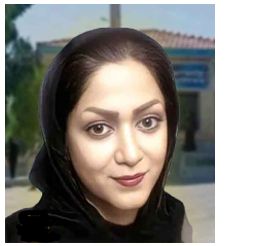 Parisa Kamali, a political prisoner, was transferred from Yazd Prison to Bandar Abbas Prison without prior notice to her family or legal counsel. This sudden transfer took place under conditions where she had previously faced restrictions on contact with her family, medical issues, and security pressures.
The transfer of prisoners to facilities far from their families’ place of residence—especially when carried out without prior notice and without a clear legal rationale—can effectively deprive prisoners of their right to family visits and communication, causing severe impacts on the mental health of both the prisoner and their relatives.
Iman Sadeghi: Eight Months of Detention Without Judicial Determination
 Iman Sadeghi, a blogger from Kashan, has been detained since January 30, 2026 (10 Bahman 1404) and remains held in temporary detention after nearly eight months. Despite the passage of this lengthy period, no final verdict has been issued, nor has the opportunity for release on bail been granted.
Concerns regarding his situation heightened after he attempted suicide while in prison. Although this attempt did not result in death, it underscores the severe psychological strain and the urgent need to address the status of prisoners held in prolonged limbo.
Prolonged detention without a final verdict constitutes a major violation of the right to liberty and the right to trial within a reasonable time.
Soran Yari: Detention of an Injured Youth Without a Judicial Warrant
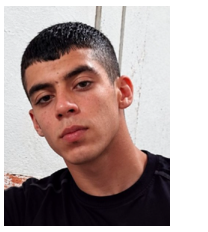 Soran Yari, a 19-year-old resident of Javanrud, was arrested on September 6, 2026 (15 Shahrivar 1405) by Ministry of Intelligence agents. Agents entered his family home in the early hours of the morning without presenting a judicial warrant.
While attempting to evade arrest, he fell from the roof and suffered a fractured leg. Despite his urgent need for medical care, he was taken into custody, and no information regarding his whereabouts, physical condition, or potential charges has been disclosed to date.
The failure to inform families of the fate and whereabouts of a detainee represents a grave human rights concern and heightens the risk of enforced disappearance.
Mojtaba Azhadi: Injured Protester Deprived of Essential Medical Care
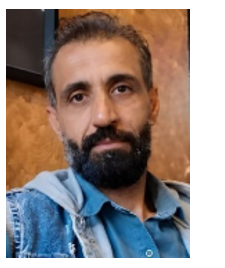 Mojtaba Azhadi, 45, married and a father, was arrested during the January 2026 protests (Dey 1404) and remains held in Vakilabad Prison in Mashhad after 238 days of detention.
During the protests, he sustained pellet gunshot wounds to his face and neck, with some pellets remaining embedded in his forehead and behind his eye. Despite requiring specialized surgery, he has been denied appropriate medical treatment and transfer to external medical facilities.
Denying prisoners access to essential medical treatment may amount to inhuman treatment and violates the right to health.
Younes Roodini: One Hundred Days of Incommunicado Detention and Ongoing Arbitrary Arrest
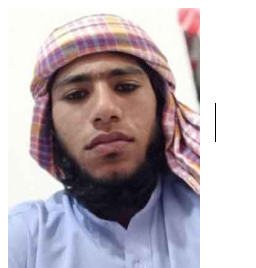 Younes Roodini, a Baluch citizen from Sarakhs County, was arrested on June 1, 2026 (11 Khordad 1405) by the Intelligence Organization of the Islamic Revolutionary Guard Corps (IRGC). Agents raided his family home and arrested both him and his father without presenting a warrant.
Although his father was released on the same day, Younes Roodini remains in detention after more than one hundred days. His family has received no clear information regarding his charges, legal proceedings, or fate.
Continued detention coupled with the denial of transparent information to the family constitutes a serious concern regarding arbitrary arrests.
Zahra Pirdehqan: 75 Days Incommunicado, Temporary Detention, and Risk of Enforced Disappearance
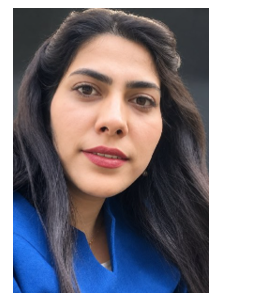 Zahra Pirdehqan, a 32-year-old Kurdish citizen from Chaldoran, was arrested on June 25, 2026 (4 Tir 1405) by IRGC Intelligence forces.
After 75 days of detention, no precise information regarding her physical condition, place of detention, or fate has been released. From the first day of her arrest, she has been deprived of access to legal representation, phone calls, and family visits.
Such conditions heighten the risk of severe violations of detainees’ fundamental rights, including the risk of torture or ill-treatment in detention.
Moslem Baluch: Detention and Limbo Without Specific Charges
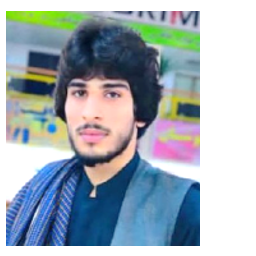 Moslem Baluch, a 25-year-old resident of Chabahar, was arrested on July 13, 2026 (22 Tir 1405) by the Ministry of Intelligence.
After 58 days, the grounds for his arrest and the charges against him remain unspecified. His family has received no clear response regarding the status of his case. He is married, has one child, and owned a grocery shop in Komb, Chabahar prior to his arrest.
Detaining individuals without promptly informing them of the reasons for their arrest and the charges against them violates fundamental principles of fair trial.
Siamak Mofidi and Soroush Enayati: Security Charges Framed Against Two Minors
 Siamak Mofidi and Soroush Enayati, two Kurdish teenagers from Takab, faced security-related charges—including “acting against national security,” “propaganda against the state,” and “disrupting public order”—following their arbitrary arrest and transfer to Tehran.
Authorities set bail at 7 billion toman for each of the two minors, an amount equivalent to approximately USD 30,000 at the free-market exchange rate (and approximately USD 1.67 million at the official exchange rate). Such an extraordinarily high bail amount raises concerns that pretrial release may be rendered inaccessible in practice.
They are currently held at the Juvenile Correction and Rehabilitation Center in Tehran.
The detention of children and adolescents in security-related cases, together with the imposition of exceptionally high bail requirements, raises serious concerns that provisional release may be effectively restricted or denied in practice. This is inconsistent with the principle of the best interests of the child, the special protection owed to children, and international fair trial standards.
Vafa Kashefi: Freedom of Religion Violation Targeting Baha’i Citizens
 Vafa Kashefi, a Baha’i citizen imprisoned in Vakilabad Prison in Mashhad, was sentenced by the Revolutionary Court to six years in prison, three years of which were suspended. The charges against him include “assembly and collusion to disrupt social security” and “propaganda against the state.”
Cases involving Baha’i citizens have consistently been a focal point of concern for human rights organizations, serving as an example of restrictions on freedom of religion and belief in Iran.
Fariba Asadi: Victim of Street and Judicial Crackdowns
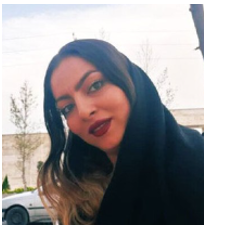 Fariba Asadi, a civil activist and one of those detained during the Dey 1404 (December 2025-January 2026) protests, is among the individuals who have suffered both physical harm during the protests and subsequent violations of their rights through the judicial process. During the crackdown on protests, she was struck in the eye by pellet ammunition, losing approximately 85 percent of the vision in one eye according to available information. Asadi was arrested on January 26, 2026 (6 Bahman 1404) by IRGC Intelligence and was denied proper medical treatment during her three months of detention.
She currently faces charges such as “assembly and collusion,” “acting against national security,”—charges brought against an individual who herself was a victim of violence by security forces.
Legal Analysis and Breach of International Obligations
The cases presented in this report reflect serious concerns regarding compliance with domestic laws and international obligations of the Islamic Republic of Iran.
From the perspective of domestic law, various articles of the Constitution of the Islamic Republic of Iran emphasize immunity from arbitrary arrest, the right of access to a competent court, the prohibition of affronts to the dignity of prisoners, and the enjoyment of legal rights.
From an international legal perspective, many of the aforementioned practices conflict with Iran’s obligations under the International Covenant on Civil and Political Rights (ICCPR), including:
- The right to liberty and security of person;
- The prohibition of arbitrary detention;
- The right to be informed promptly of charges;
- The right to access legal counsel;
- The right to a fair trial;
- Freedom of expression;
- Freedom of thought, conscience, and religion;
- Freedom of peaceful assembly;
- The right to access medical care;
- Special protection for children and juveniles.
Furthermore, denying prisoners access to medical care, prolonged pre-trial detention, keeping families uninformed of detainees’ whereabouts, and transferring prisoners to remote facilities directly contradict international standards for the treatment of prisoners. These measures violate the United Nations Standard Minimum Rules for the Treatment of Prisoners (the Nelson Mandela Rules)—specifically Rules 24 to 35 on the right to adequate medical care—as well as principles governing the maintenance of family contact and the protection of human dignity for persons deprived of liberty.
Conclusion
The cases presented in this report reflect only a small fraction of the situation of political and conscientious prisoners in Iran. These instances serve as examples of a broader pattern of detention, trial, and imprisonment targeting individuals deprived of liberty due to their political, civic, trade union, cultural, media, or religious activities.
The existence of prolonged detentions without verdicts, denial of medical care, lack of legal representation, complete incommunicado detentions, pressure on families, exorbitant bail demands, and judicial prosecution of civil and religious activists indicate grave concerns regarding the state of human rights and the rule of law in Iran.
Actionable Requests to the International Community and Human Rights Mechanisms
- The Special Rapporteur on the situation of human rights in Iran is requested to follow up on the cases highlighted in this report through official communications with the Iranian government and demand explanations regarding the status of detainees.
- The UN Working Group on Arbitrary Detention is requested to examine the cases of prisoners held in prolonged states of pre-trial limbo.
- The Special Rapporteur on torture and other cruel, inhuman or degrading treatment or punishment is requested to investigate the condition of prisoners denied medical treatment and potential instances of ill-treatment in detention.
- The Special Rapporteur on freedom of religion or belief is requested to pay special attention to the situation of Baha’i citizens and other conscientious prisoners in Iran.
- UNICEF and child rights mechanisms are requested to actively follow up on the situation of Siamak Mofidi, Soroush Enayati, and other children or adolescents detained under security charges.
- UN Member States are requested to explicitly demand the release of political and conscientious prisoners and adherence to fair trial standards in bilateral meetings and international forums as a clear expectation from the Islamic Republic of Iran.
- Iranian authorities must be called upon to provide immediate and unhindered access to specialized medical services for ill prisoners; and international human rights mechanisms must establish specific monitoring guarantees to ensure the practical fulfillment and implementation of this demand.
- The UN Human Rights Council is requested to address the issue of political and conscientious prisoners in Iran as a core pillar of international accountability, documentation, and monitoring mechanisms, ensuring that instances of arbitrary detention, denial of medical treatment, enforced disappearance, religious suppression, and violations of fair trial standards are systematically documented, and the responsibility of involved individuals and institutions is identified and pursued.