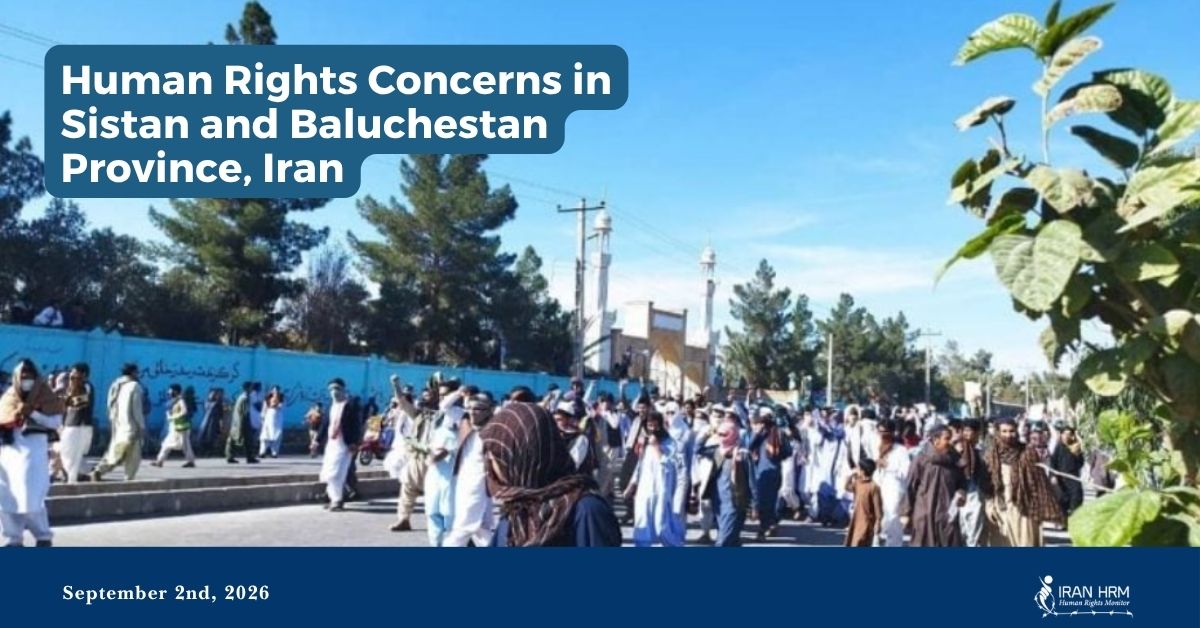
Reports received from local sources and human rights organizations indicate the continued occurrence of serious human rights concerns in Iran’s Sistan and Baluchestan Province. Documented incidents raise concerns regarding the right to life, the prohibition of torture and other forms of ill-treatment, arbitrary detention, due process violations, violence against women, abuse of law enforcement powers, and violations of economic and social rights.

The incidents summarized below reflect ongoing concerns regarding the treatment of members of the Baluch minority and the broader human rights situation in the province.
Death in Custody and Allegations of Torture
Death of Anvar Shahli-Bar in Police Custody
According to reports, Anvar Shahli-Bar, a 40-year-old Baluch man, died while being held at the Criminal Investigation Department detention facility in Khash after being arrested by law enforcement authorities.
 Sources allege that he was subjected to physical abuse and torture during interrogation with the aim of extracting a confession. It has further been reported that, at the time of reporting, his body had not been returned to his family.
If confirmed, this case would raise serious concerns under the right to life and the absolute prohibition of torture and cruel, inhuman, or degrading treatment or punishment as protected by international human rights law.
Use of Lethal Force by Border Security Forces
Killing of Nesar Alizehi in Zahak County
Reports indicate that Nesar Alizehi, an approximately 25-year-old undocumented Baluch man, was shot and killed by border guards in the village of Pasgah Mollasharif in Zahak County.
 According to local sources, the shooting occurred without prior warning or a command to stop, and the victim was fatally struck in the head. At the time of reporting, no clear explanation had been provided regarding the legal basis for the use of lethal force.
This incident raises concerns regarding compliance with the UN Basic Principles on the Use of Force and Firearms by Law Enforcement Officials, which permit the intentional use of lethal force only when strictly unavoidable to protect life.
Arbitrary Arrests and Due Process Concerns
Arrest of Mohsen Dashti
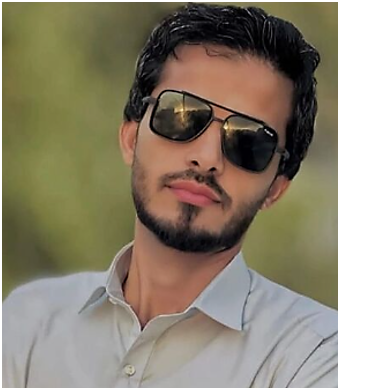 Human rights sources have reported the arrest of Mohsen Dashti, a Baluch blogger and media activist, by security forces in Sistan and Baluchestan Province. Following his arrest, he was reportedly transferred to an undisclosed location, and information regarding his legal status and whereabouts remained limited.
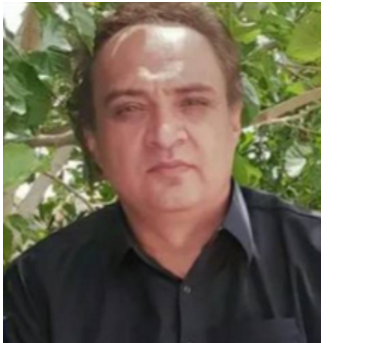 Arrest of Shapour Shahbakhsh
Reports indicate that Shapour Shahbakhsh, a Baluch resident of the Sarjangal area of Zahedan, was arrested by security authorities. His family reportedly remained uninformed about his whereabouts and legal status following the arrest.
 Continued Detention of Behzad Bozorgzadeh
Behzad Bozorgzadeh, a Baluch artist and athlete, reportedly remained in detention for an extended period following his arrest, with significant concerns regarding prolonged uncertainty surrounding his case and limited access to family members and legal safeguards.
Group Arrests in Baluch Areas
The arrest of multiple Baluch citizens in different parts of the province, including Mehrestan and Sib-o-Suran counties have been recently reported. Information concerning the legal basis of these arrests, the charges involved, and the conditions of detention has remained limited.
These cases collectively raise concerns regarding arbitrary detention and the right to liberty and security of person.
Violence Against Women During Security Operations
Assault and Arrest of Three Baluch Women in Iranshahr
According to reported information, security and law enforcement forces raided a residential home in the Gharibabad area of Iranshahr and arrested three Baluch women: Shima Bameri, Saemeh Bameri, and Setayesh Bameri.
Local sources reported that the three women were physically assaulted prior to their arrest and were subsequently transferred to an undisclosed location. According to the reports, male security personnel entered the residence without the presence of female officers and allegedly used physical force against the women in front of family members and children present in the home. Reports indicate that one of the women sustained a serious head injury, while the other two suffered bruising and other physical injuries to the face and body.
Although all three women were released after one to two days in detention, relatives and local sources reported that visible signs of injury and bruising remained evident at the time of their release. According to these accounts, Shima Bameri was released with observable injuries to her head and face, while Saemeh Bameri reportedly displayed bruising and signs of physical assault on her face.
Conflicting accounts have emerged regarding the reasons for the arrests. While official sources reportedly linked the women to criminal allegations, family members have rejected these claims and stated that the arrests occurred during a security operation aimed at apprehending a male relative.
These reports raise serious concerns regarding the use of violence against women during security operations, compliance with safeguards governing the arrest and treatment of women, the prohibition of cruel, inhuman or degrading treatment, and the need for an independent investigation into the conduct of the officers involved.
Reports of Torture, Coerced Confessions, and Fair Trial Violations in Zahedan Prison
Information received from Zahedan Central Prison indicates a significant increase in security and judicial pressure on a number of Baluch detainees. Prisoners have reportedly raised concerns regarding interrogation practices, criminal proceedings, and the issuance of severe sentences.
According to informed sources, several detainees have been subjected since the beginning of Ramadan of this year to intensive interrogations, physical and psychological pressure, and measures allegedly aimed at extracting forced confessions.
Sources further indicate that some detainees were transferred to interrogation facilities or security-controlled sections where they were held for prolonged periods under inadequate conditions, while facing restrictions on family contact and meaningful access to independent legal counsel.
According to these reports, interrogations were not limited to questioning regarding alleged offenses. Detainees were allegedly pressured to accept investigators’ narratives, sign pre-prepared statements, or repeat dictated accounts. Under such circumstances, the reliability and voluntariness of any resulting confession is seriously called into question.
Particularly concerning are allegations that some detainees were subjected to methods that may amount to torture or other forms of cruel, inhuman, or degrading treatment. Although complete details are unavailable, sources report that certain prisoners were exposed to such severe physical and psychological pressure that they became unable to resist investigators’ demands and ultimately accepted accusations they continue to deny.
Reports further refer to prolonged isolation, psychological coercion, sleep deprivation, threats, and other forms of pressure used to obtain confessions.
According to protesting prisoners, these disputed confessions were subsequently incorporated into criminal case files and used to support serious charges and lengthy prison sentences. Detainees report that they were denied adequate opportunities to challenge the confessions, seek investigation of torture allegations, or benefit from effective assistance of independent legal counsel.
Prisoners further allege that courts failed to conduct impartial and independent investigations into allegations of torture and coerced confessions. According to the reports, complaints regarding mistreatment were disregarded, while contested confessions were accepted as evidence in judicial proceedings.
It has additionally been alleged that cases were referred to Branch 2 of the relevant court under the authority of Judge Sarhadi, and that claims of torture, coercion, and due process violations were not meaningfully examined before severe sentences were imposed.
If verified, these allegations would raise serious concerns regarding violations of the prohibition of torture, the right to a fair trial, the right to effective legal representation, and the exclusion of evidence obtained through coercion.
Economic and Social Rights
Unpaid Wages of Baluch Workers in Pasabandar
Reports indicate that approximately fifteen Baluch workers employed by the Simaye Chabahar Company in the Pasabandar Industrial Zone have not received wages for at least two months.
Workers report that rising living costs and continuing wage arrears have created severe economic hardship and affected their ability to meet basic family needs.
The situation raises concerns regarding the right to just and favorable conditions of work and the timely payment of wages.
This case represents only one example of broader economic and social challenges reported in Sistan and Baluchestan Province. Local sources and human rights organizations have repeatedly expressed concern regarding high levels of poverty, unemployment, job insecurity, and unequal access to economic opportunities and social protections among Baluch communities. In such circumstances, the non-payment or prolonged delay of wages may have severe consequences for household livelihoods and further increase the economic vulnerability of affected communities.
Concerns Regarding Extortion and Abuse of Authority by Law Enforcement Officials
Reports from Zahedan, particularly from the Shirabad area, indicate allegations that certain law enforcement officers have released detainees or individuals stopped by police in exchange for cash payments.
According to accounts provided by local residents, these practices are not viewed as isolated incidents but rather as a recurring pattern of conduct. Such allegations raise concerns regarding corruption, abuse of official authority, unequal access to legal protection, and violations of the right to liberty and security of person.
If substantiated, these practices may further undermine public confidence in law enforcement institutions and contribute to an environment in which arbitrary detention and abuse of power can occur with insufficient accountability.
The allegations warrant independent scrutiny and monitoring due to their potential implications for the rule of law and public trust in state institutions.
Conclusion and Recommendations to the United Nations and the International Community
The cases documented in this report, including deaths in custody, the lethal use of firearms, arbitrary arrests, reports of torture and forced confessions, violence against women during security operations, pressure on Baluch prisoners, and violations of economic and social rights, demonstrate the continuation of serious concerns regarding the human rights situation in Sistan and Baluchestan Province.
In light of these concerns, United Nations human rights mechanisms and relevant international bodies are urged to:
- The Special Rapporteur on the situation of human rights in the Islamic Republic of Iran, the Special Rapporteur on Torture, the Special Rapporteur on Extrajudicial, Summary or Arbitrary Executions, and the Working Group on Arbitrary Detention should raise the cases documented in this report in their official communications with the Islamic Republic of Iran and seek accountability from the responsible authorities.
- The Office of the United Nations High Commissioner for Human Rights (OHCHR) should register and actively monitor cases involving deaths in custody, torture, forced confessions, and the lethal use of firearms against Baluch citizens as matters requiring urgent attention.
- United Nations fact-finding, investigative, and documentation mechanisms should preserve and record information relating to these cases for the purpose of safeguarding evidence, identifying patterns of human rights violations, and supporting future accountability efforts.
- The international community and UN Member States should raise the situation of the Baluch population and reported human rights violations in Sistan and Baluchestan as a priority human rights concern in their bilateral and multilateral engagements with the Islamic Republic of Iran.
- International human rights organizations and advocacy bodies should emphasize the rights of victims’ families and detainees to truth, justice, and effective remedies, and support their ability to pursue complaints through independent and secure channels.
- The Special Rapporteur on Minority Issues and other relevant UN mechanisms should give particular attention to the situation of the Baluch community, including issues related to structural discrimination, access to justice, human security, and economic and social rights.
Taken together with previously documented reports concerning Sistan and Baluchestan, the cases described in this report may indicate recurring patterns of human rights violations that warrant sustained monitoring, thorough documentation, and urgent attention from the international community.