Summary
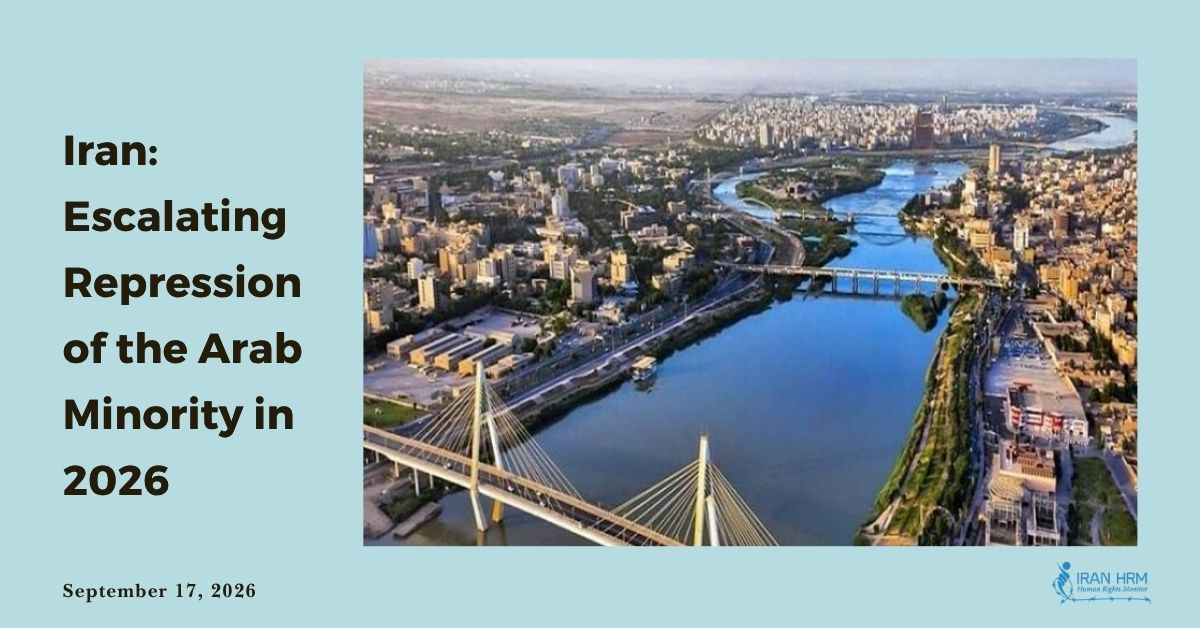
Documented information collected from Khuzestan indicates that, in the aftermath of the nationwide protests of December 2025- January 2026, Arab citizens, particularly Sunni Arabs, have faced an escalating pattern of security repression, including mass arrests, prolonged detention in intelligence facilities, denial of access to legal counsel, detention of children and adolescents, pressure on religious activists, torture, collective judicial proceedings, and the imposition of severe prison sentences. These developments, coupled with the severe overcrowding reported in Sheiban Prison in Ahvaz, have intensified concerns regarding the structural violation of the rights of the Arab minority in Iran.

Introduction
Since the nationwide protests of December 2025- January 2026, Khuzestan Province has witnessed one of the most extensive waves of repression targeting Arab citizens in recent years. The evidence documented in this report indicates that the scope of this repression extends well beyond political activists and has included cultural activists, Sunni citizens, women, adolescents, and individuals engaged in peaceful religious or social activities.
The killing of Arab citizens during security operations, widespread arrests, prolonged detention in Ministry of Intelligence facilities, denial of effective access to legal representation, the withholding of information from families regarding the fate and whereabouts of detainees, allegations of torture, collective trials, and the imposition of severe sentences collectively paint a deeply concerning picture of the human rights situation affecting Iran’s Arab minority.
These developments have occurred despite Articles 15 and 19 of the Constitution of the Islamic Republic of Iran, which affirm equality among citizens and recognize the cultural and linguistic rights of ethnic communities. Iran is also bound by Article 27 of the International Covenant on Civil and Political Rights (ICCPR), which guarantees the rights of ethnic and religious minorities to enjoy their culture, practice their religion, and use their language.
The Qaleh Chanan Operation: Two Killed and More Than One Hundred Days of Detention Without Transparency
The raid carried out by Ministry of Intelligence forces in the Qaleh Chanan area of Ahvaz in March 2026 became one of the deadliest security operations reported in Khuzestan in recent months.
During the operation, at least two Arab citizens, Mahmoud Hasanian (Naseri), son of Mohammad, and Heydar Khayyatipour, were killed as a result of direct gunfire. At least fourteen additional Arab citizens were arrested.
As of 19 June 2026, more than one hundred days after the operation, the detainees reportedly remained in the custody of the Ministry of Intelligence, while their families continued to be denied information regarding their condition and whereabouts.
The identities of a number of detainees have been established as follows:
- Tareq Hasanian
- Bahador Zargani
- Mansour Naseri
- Ahmad Bavi-Fard
- Yousef Hasanian (or Hosnian)
- Amin Naseri
- Jassem Bavi
- Mohammad Ali Bavi
- Hamid Hasanian (Or Hosnian)
The cases of these individuals have reportedly been referred to Branch Two of the Public and Revolutionary Court of Karun County, presided over by Judge Montazeri.
The charges reportedly brought against them include:
- Firing at security forces
- Attacks on oil pipelines
- Possession of improvised explosive devices
- Cooperation with the United States and Israel
- Disturbing public order
At the same time, the Ministry of Intelligence issued an official statement alleging that those arrested had formed an opposition group, participated in armed attacks, carried out bombings, and possessed explosive materials. However, no independent evidence or publicly available documentation supporting these allegations has been disclosed to date.
Arrest of Cultural and Religious Activists
Mojahid Savari
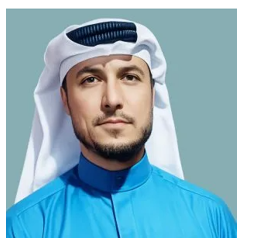 In the early hours of 22 June 2026, Mojahid Savari, a 37-year-old cultural activist from Ahvaz, was arrested during a raid by intelligence agents on his home in the Kuy Mandali district.
Savari, the son of Jabbar Savari, is married and the father of four children. According to available information, the arrest operation created an atmosphere of intimidation and fear among family members and children present at the scene.
As of 26 June 2026, his family had received no information regarding his place of detention, physical condition, or the charges brought against him.
Abdulhossein Farhan
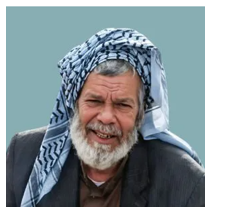 Abdulhossein Farhan (also known as Abdullah Abu Masoud Badawi), a 61-year-old Sunni Arab resident of Kut Abdollah, has remained in detention since 23 March 2026.
According to available information, his arrest was linked to religious activities, including the collective performance of Taraweeh prayers and Eid prayers.
Farhan reportedly suffers from diabetes and other medical conditions requiring continuous medical care and supervision. His family has expressed serious concern regarding his health and access to treatment while in detention.
Mass Arrests of Sunni Arabs: From Children to Elderly Citizens
On 7 July 2026, at least eighteen Sunni Arab citizens were arrested in Kut Abdollah.
Reports indicate that the arrests were accompanied by beatings and acts of violence, with several individuals allegedly assaulted in front of family members and local residents.
Among the identified detainees were children and adolescents:
- Jamal Naseri, 12 years old
- Mojtaba Naseri, 16 years old
- Yasin Naseri, 16 years old
- Morteza Naseri, 21 years old
- Mohammad Naseri, 27 years old
- Abu Yasser Naseri, approximately 50 years old
Earlier, on the evening of 17 June 2026, at least twenty-nine Sunni Arab citizens had reportedly been arrested by the Ahvaz Intelligence Department.
These arrests were reportedly carried out solely on the basis of the detainees’ peaceful religious beliefs and activities. Several of those arrested had previously been detained and convicted in connection with their religious activities; however, despite having completed their sentences, they were once again subjected to security measures and rearrested.
Eyewitnesses reported that security agents entered homes without presenting clear judicial warrants and carried out extensive searches. Personal belongings belonging to a number of residents were also reportedly confiscated.
The identities of a number of those arrested have so far been established, including:
- Hossein Batrani, 40 years old, married
- Hassan Obaidawi, 50 years old, married
- Mohammad (Abu Aqil) Hezbawi, 36 years old, married
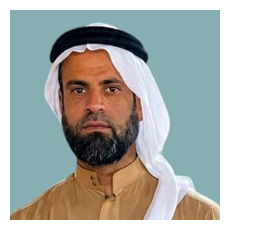 Abdulrahman Mohammad Hezbawi, 43 years old, married
- Jassem (Abu Majed) Savari, 34 years old, married
- Mohammad Khanfari, 22 years old, married
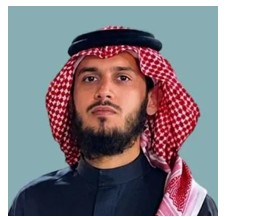 Mohammad Hezbawi, 21 years old, single
Religious-Based Arrests in Kuy Mandali
On 20 July 2026, intelligence agents carried out simultaneous raids on the homes of Arab residents in the Kuy Mandali neighborhood of Ahvaz, arresting at least four individuals and transferring them to undisclosed locations.
According to local sources, the manner in which the operation was conducted created fear and distress among children and other family members and contributed to a heavy security atmosphere throughout the neighborhood.
The four individuals identified as having been arrested are:
- Saeed Obaidawi, 25 years old
- Hassan Chenani (Abu Arkan), 38 years old
- Jafar Shamousi
- Esmail Obaidawi, 35 years old
Available information indicates that these individuals were targeted because of their adherence to the Sunni faith.
As of 23 July 2026, their families had not received any information regarding their whereabouts or conditions of detention.
Soheil Mousavi: Torture in Detention
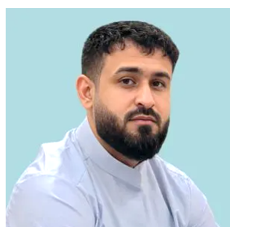 Soheil Mousavi, a 32-year-old religious activist from Ahvaz, remained in legal limbo as of 31 July 2026 following his arrest by the Intelligence Department and subsequent transfer to Sheiban Prison.
According to available reports, Mousavi was subjected to physical assault at the time of his arrest and was later exposed to both physical and psychological torture during interrogation. He is married and the father of two children.
His case is currently pending before Branch 12 of the Ahvaz Revolutionary Court, where a verdict has yet to be issued.
The Kuy Mashali Case: Mass Arrests, Illness, and the Detention of Minors
On 4 September 2026, at least ten Sunni Arab citizens were arrested during a raid conducted by intelligence forces on a private residence in the Kuy Mashali district of Ahvaz.
Reports indicate that some of those present were beaten before being taken into custody. It remains unclear whether the detainees have been permitted access to their families or allowed to make telephone contact following their transfer.
At the time the incident became public, the identities of the following detainees had been confirmed:
- Razi Heydari, 50 years old
- Hossein Heydari, 29 years old
- Abdolhadi Asakereh, 30 years old
Subsequent information revealed that Majid Sharifi (Savari), a 44-year-old Arab citizen, was also among those arrested.
On 16 September 2026, concerns intensified regarding his physical condition. Majid Sharifi reportedly suffers from kidney failure and remained detained in a Ministry of Intelligence facility.
His personal vehicle was also confiscated following his arrest.
Additionally, Arkan Sharifi, the 17-year-old son of Majid Sharifi, was transferred to the quarantine section of Sheiban Prison together with:
- Lafteh Heydari, 36 years old
- Razi Heydari, 50 years old
- Hossein Heydari, 29 years old
- Abdolhadi Asakereh, 30 years old
- Hamzeh Sayahi
- Mohammad Savari
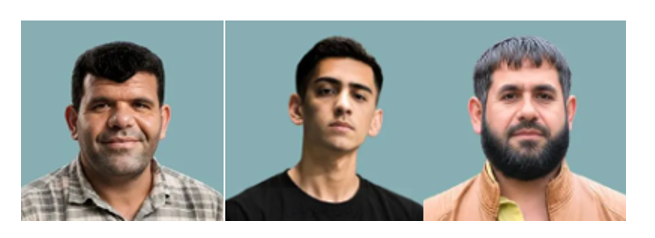 From left to rights – Lafteh Heydari, Arkan Sharifi and Majid Sharifi
According to available information, the arrests were carried out without the presentation of judicial warrants and were accompanied by physical assault against several detainees.
These individuals continue to be held while comprehensive information concerning the charges against them remains unavailable, leaving their families awaiting clarification regarding both their legal status and places of detention.
Summoning of Arab Women and Continuing Judicial Pressure
On 6 September 2026, nine Arab women and two Arab men, all of whom had previously spent months in detention before being released on bail, were summoned to courts in Ahvaz for the formal notification of judicial decisions.
The individuals summoned were:
- Saeedeh Heydari-Rad
- Amal Dahimawi
- Kowsar Asakereh
- Ayat Mohammadi
- Fatemeh Savari
- Khadijeh Havali
- Eftekhar Rostamizadeh
- Seyedeh Fatemeh Hosseini
- Ameneh Beit-Sayyah
- Mostafa Jafari
- Hossein Heydari-Far
The charges reportedly brought against them include:
- Membership in, or formation of, a group acting against national security
- Propaganda against the state
- Assembly and collusion against national security
- Disturbing public order
Four days later, forces affiliated with the Islamic Revolutionary Guard Corps (IRGC) Intelligence Organization conducted a separate operation in the village of Aboudeh, arresting at least ten Sunni Arab citizens.
The identities of nine of those arrested have been confirmed:
- Mostafa Cheldavi
- Kamal Batrani, father of three children
- Loqman Batrani, father of three children
- Hadi Beit Sheikh Ahmad (known as Abu Kamal), 55 years old, father of four children
- Reza Savari, father of three children
- Khaled Gharbawi, father of two children
- Jafar Cheldavi
- Ebrahim Hamdani
- Ali Cheldavi
Sheiban Prison in Ahvaz: Severe Overcrowding and Collective Trials
The widespread arrests of Arab citizens represent only the first stage of a broader pattern of repression. Many detainees, after spending weeks or even months in intelligence detention facilities, have subsequently been transferred to Sheiban Prison in Ahvaz, which has become one of the principal detention centers for Arab political prisoners and prisoners of conscience. The growing prison population, persistent reports of restricted access to legal counsel, collective judicial proceedings, and the imposition of severe sentences have raised serious concerns regarding compliance with fair trial guarantees and the fundamental rights of detainees.
Information received indicates that the number of political Arab political prisoners and prisoners of conscience held in Sheiban Prison has exceeded 600 individuals.
Available data indicate:
- Arab political prisoners and prisoners of conscience: more than 600
- Ward 8: approximately 185 prisoners
- Ward 5: approximately 120 prisoners
- Quarantine section: more than 310 prisoners
- Current prison population: over 4,000 prisoners
- Official prison capacity: approximately 2,000 prisoners
A significant proportion of those recently detained are between 18 and 25 years of age.
Multiple reports indicate that:
- Many detainees have been denied effective access to legal counsel;
- Judicial hearings in some cases have been conducted inside Sheiban Prison;
- Certain proceedings have taken place collectively and through video-conferencing;
- The right of defendants to present an individualized and independent defense has been severely restricted.
A considerable number of these cases have reportedly been handled by Branch One of the Ahvaz Revolutionary Court, presided over by Ehsan Adibi-Mehr. The label “Judge of Death,” used in some reports for him, is a designation reportedly employed by critics and a number of prisoners in reference to the severity of the sentences attributed to him.
A number of detainees have faced charges such as:
- Acting against national security;
- Espionage on behalf of Israel and Mossad;
- Propaganda against the state;
- Association or links with opposition groups.
Reported prison sentences in some cases have included:
- 20 years and one day;
- 15 years and one day;
- 10 years and one day;
- 7 years and one day;
- 5 years and one day.
Among the political prisoners reportedly held in Sheiban Prison are:
Gholamhossein Kalbi, Ayoub Parkar, Masoud Jamei, Farshad Etemadifar, Reza Anafcheh, Alireza Mardasi, Reza Abdali, Saeed Obaidawi, Hassan Chenani, Jafar Shamousi, Esmail Obaidawi, Jamal Naseri, Mojtaba Naseri, Yasin Naseri, Morteza Naseri, Mohammad Naseri, Abu Yasser Naseri, Mojahid Savari, Hojat Al-Mohammadi, Tareq Hasanian, Bahador Zargani, Mansour Naseri, Ahmad Bavi-Fard, Yousef Hasanian, Amin Naseri, Jassem Bavi, Mohammad Ali Bavi, and Hamid Hasanian.
Among them, Masoud Jamei, Farshad Etemadifar, and Alireza Mardasi have reportedly been identified as prisoners sentenced to death.
The dramatic increase in the prison population has also resulted in prison facilities becoming unable to adequately accommodate the number of detainees. In addition to placing significant strain on the cooling and ventilation systems, overcrowding has reportedly affected the quality of welfare services, hygiene conditions, and food provision within the prison.
Al-Hadid Complex: Concerns Regarding the Secret Detention of Detainees
Reports received regarding the Al-Hadid Vocational Training and Rehabilitation Complex, located at Kilometer 25 of the Ahvaz–Shush Road, indicate that portions of this 400-hectare facility have been completely isolated from the rest of the complex.
Local sources have reported:
- Night-time movement of vehicles affiliated with the Islamic Revolutionary Guard Corps (IRGC) and security agencies;
- Nocturnal transfers of individuals;
- The existence of solitary-confinement cells;
- The possibility of interrogations being conducted during the night;
- The possible detention of political and security-related detainees within the facility.
While these allegations require independent verification, if confirmed they would raise serious concerns regarding violations of detainees’ rights and families’ right to be informed about the whereabouts and condition of their relatives.
Death Penalty and the Continuing Threat of Execution Against Arab Citizens
The continued use of the death penalty remains one of the gravest human rights concerns affecting Arab citizens in Khuzestan. Although limited information has been made publicly available regarding newly carried out executions of Arab citizens during the reporting period, available evidence indicates that the risk of death sentences and executions against Arab detainees remains substantial.
In Sheiban Prison in Ahvaz, at least three Arab prisoners, Masoud Jamei, Farshad Etemadifar, and Alireza Mardasi, have reportedly been identified as Arab political prisoners and prisoners of conscience under sentence of death. These concerns are heightened by continued reports of restricted access to legal counsel, collective judicial proceedings, security-related prosecutions, and limitations on the right to present an effective defense in cases involving Arab detainees.
Concerns regarding the current situation of Arab prisoners are further reinforced by the executions carried out on 4 October 2025 (12 Mehr 1404), when six Ahwazi Arab political prisoners were executed in Sepidar Prison in Ahvaz. The individuals executed were:
- Ali Majdam
- Moein Khanfari
- Seyed Salem Mousavi
- Mohammadreza Moghaddam
- Adnan Ghabishavi (Al-Boushoukeh)
- Habib Deris
According to human rights organizations, these six prisoners had been arrested between 2018 and 2019 and were executed after years of detention, torture, forced confessions, and denial of meaningful access to independent legal counsel. Reports further indicated that their families were not informed in advance of the executions and were subsequently subjected to restrictions on mourning ceremonies and public communication regarding the cases.
The continued presence of Arab prisoners on death row, together with the recurring use of charges such as “acting against national security,” “espionage,” “links to opposition groups,” and related security offenses, underscores the urgent need for heightened international scrutiny of the situation of Arab citizens in Khuzestan.
Legal Analysis
The documented cases presented in this report raise serious concerns regarding violations of:
- The right to life (Article 6 of the International Covenant on Civil and Political Rights);
- The prohibition of arbitrary detention (Article 9 of the ICCPR);
- The right to a fair trial (Article 14 of the ICCPR);
- Freedom of religion or belief (Article 18 of the ICCPR);
- The rights of ethnic and religious minorities (Article 27 of the ICCPR).
The detention of children, prolonged detention in intelligence facilities, denial of access to counsel of one’s choosing, allegations of torture, collective judicial proceedings, and the targeting of individuals because of their religious beliefs are likewise inconsistent with Iran’s obligations under the Convention on the Rights of the Child and the United Nations Standard Minimum Rules for the Treatment of Prisoners (the Nelson Mandela Rules).
The documented pattern may also engage concerns under the UN Declaration on the Rights of Persons Belonging to National or Ethnic, Religious and Linguistic Minorities.
Conclusion
The information documented in this report demonstrates that Arab citizens in Khuzestan have been subjected to a continuing pattern of security, judicial, and custodial measures in the aftermath of the December 2025- January 2026 nationwide protests. The scale of arrests, the presence of children among those detained, pressure on Sunni Arab citizens, prolonged detention in intelligence facilities, severe overcrowding in Sheiban Prison, collective judicial proceedings, and the existence of Arab prisoners under sentence of death point to a broader and more systematic pattern rather than isolated incidents.
These developments require urgent attention from international human rights mechanisms, particularly those concerned with minority rights, freedom of religion or belief, arbitrary detention, and fair trial guarantees.
Actionable Requests
- The Special Rapporteur on the situation of human rights in the Islamic Republic of Iran is requested to undertake a dedicated review of the mass arrests of Arab citizens in Khuzestan since the December 2025- January 2026 protests.
- The Special Rapporteur on Minority Issues is requested to address the situation of Iran’s Arab minority through a dedicated report to the Human Rights Council.
- The Special Rapporteur on Freedom of Religion or Belief is requested to examine and follow up on the arrests of Sunni Arab citizens linked to their peaceful religious activities.
- The Working Group on Arbitrary Detention is requested to give urgent consideration to cases involving detained children and adolescents, as well as individuals held in intelligence detention facilities under prolonged incommunicado conditions.
- The Special Rapporteur on Torture and Other Cruel, Inhuman or Degrading Treatment or Punishment is requested to examine allegations of torture, physical assault, and ill-treatment affecting Arab detainees in Khuzestan.
- The United Nations High Commissioner for Human Rights is requested to ensure that information relating to mass arrests, collective trials, severe overcrowding in Sheiban Prison, and allegations concerning secret detention facilities is documented and preserved within relevant accountability and monitoring mechanisms concerning Iran.
- The United Nations Human Rights Council is requested, should mass arrests, religious repression, detention of children, severe sentencing practices, and executions continue, to consider the situation of the Arab minority in Iran as a distinct area of concern within existing accountability and documentation mechanisms related to Iran, with a view to identifying and preserving information concerning the responsibility of individuals and institutions implicated in serious human rights violations.