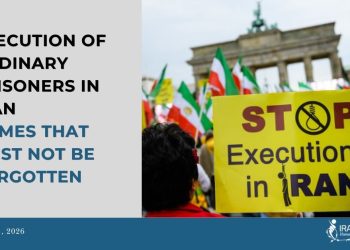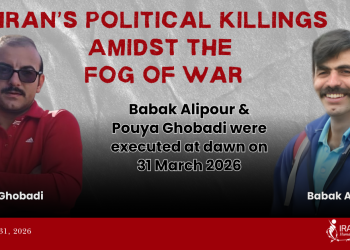

In the span of just a few days, Iranian authorities carried out multiple executions in various prisons across the country. These cases involve individuals convicted of charges related to drug offenses and murder. Below is a summary of the reported incidents:

Execution in Qom Prison
On the morning of Tuesday, December 24, 2024, a prisoner named Asghar Ghaffari was executed in Qom Prison. He had been previously arrested and sentenced to death on charges related to drug offenses.
Double Execution in Qezel-Hesar Prison
At dawn on Wednesday, December 25, 2024, two prisoners were executed in Ghezel Hesar Prison, Karaj. The executed individuals were identified as Masoud Jalilian and Hossein Mansouri Nasab, both convicted on drug-related charges.
Execution in Miandoab Prison
On Thursday, December 19, 2024, Ramin Kabiri, a 40-year-old man from Shahindezh, was executed in Miandoab Prison. He had been in custody for four years following his arrest on charges of intentional murder, for which he was sentenced to death.
Execution in Birjand Prison
In Birjand Prison, Davood Qalijayi, a 28-year-old man from Zabol, was executed on Tuesday, December 24, 2024. Married and the father of a disabled child, he had been arrested in 2019 on drug-related charges. His execution was carried out without granting him a final meeting with his family.
Double Execution in Isfahan Prison
Two brothers, Ali Manian (25) and Jasem Manian (31), were executed in Isfahan Prison on Tuesday, December 24, 2024. The brothers had been arrested on murder charges, with the older brother, Jasem, reportedly confessing to the crime. Despite this, both siblings received death sentences.
Execution in Nahavand Prison
Ali Rahmkhani, a 35-year-old man from Dermareh village in Lorestan province, was executed in Nahavand Prison on Tuesday, December 24, 2024. He had been convicted of drug-related offenses.
Reports indicate that Ashkan Parseh, a 29-year-old man from Aligudarz, was also executed during this period. He had been arrested on drug-related charges and sentenced to death.
Human rights organizations have consistently criticized the high frequency of executions in Iran, particularly for non-violent offenses such as drug-related crimes. Concerns have also been raised regarding the lack of due process, such as the denial of last visits with families, as seen in the case of Davood Qalijayi.
These executions underline the ongoing debate about the use of the death penalty in Iran, particularly in cases involving socioeconomically disadvantaged individuals and allegations of coerced confessions.