On the International Day of Action for Women’s Health, observed annually on May 28, this report highlights a less visible dimension of women’s rights violations in Iran; women whose health and access to medical care have become instruments of repression and punishment.

In recent years, numerous reports from Evin Prison, Qarchak Prison in Varamin, Lakan Prison in Rasht, Vakilabad Prison in Mashhad, and other detention centers have revealed a systematic pattern of medical neglect, delayed hospital transfers, psychological pressure, repeated arrests, and intimidation of prisoners’ families targeting women prisoners, protesters, and civil activists.
For many female prisoners in Iran, the body itself has become a site of punishment.
When Health Becomes a Tool of Repression
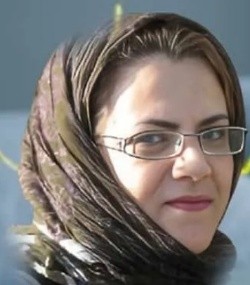
Marzieh Farsi, a 58-year-old political prisoner, is one such case. Rearrested in 2023 on charges of “baghi” (armed rebellion) and alleged links to the People’s Mojahedin Organization of Iran, she suffers from advanced lung cancer and severe heart disease.
Reports indicate that her specialized medications have repeatedly been withheld and her medical transfers canceled. She was also held for periods in damp, unsanitary prison wards, conditions that significantly worsened her physical condition.
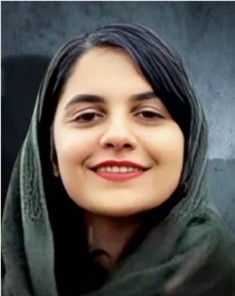
Forough Taghipour, another political prisoner, suffers from serious gastrointestinal and physical illnesses. In her case as well, medical treatment has reportedly become a mechanism of coercion. According to reports, prison authorities repeatedly canceled her hospital transfers because she refused to wear prison uniform or be transferred in shackles. In practice, her right to medical care became conditional upon accepting humiliation and full compliance with security restrictions.
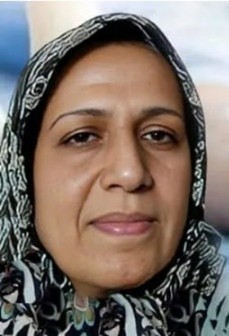 Shiva Esmaili, a political prisoner held in the women’s ward of Evin Prison, represents another example of a prisoner whose untreated illness has progressed to severe physical disability. Previously transferred to Qarchak Prison, she reportedly developed serious mobility problems after enduring unsanitary conditions, lack of medical care, and worsening chronic spinal pain. Even after her return to Evin Prison, intelligence agents and prison officials continued to deny her access to specialized treatment and hospital care. According to reports, the severity of her pain has left her dependent on fellow prisoners for basic daily activities.
Born in 1965, Shiva Esmaili is a mother of three and holds a degree in agricultural engineering. Arrested in November 2020, she was sentenced in May 2023 by Branch 26 of the Revolutionary Court in Tehran to ten years in prison, two years of travel ban, and restrictions on political and social activities. The pressure imposed on her has extended to her family; two of her sons, Seyed Mehdi Vafaei Sani and Seyed Ali Vafaei Sani, are also currently imprisoned.
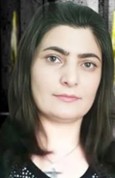 Zeynab Jalalian, a Kurdish political prisoner who is serving the twentieth year of her life sentence in Yazd Prison, is reportedly in critical physical condition after prison and security authorities blocked her access to specialized medical care. Last autumn, following international pressure, she was finally allowed to undergo uterine fibroid embolization. However, only 24 hours after the procedure, and before completing her recovery period, she was forcibly returned to Yazd Prison.
In the months that followed, her medical follow-up requests remained unanswered, leading to the recurrence of severe symptoms, including continuous bleeding, acute abdominal pain, and extreme anemia. Reports indicate that last week her condition became so severe that she temporarily lost the ability to move. Although prison clinic doctors reportedly warned of the possible regrowth of fibroids and stressed the need for her immediate transfer to specialized medical centers for ultrasound and MRI examinations, prison authorities have refused to authorize the transfer.
Zeynab was arrested in 2007 and sentenced in 2009 to one year in prison for allegedly leaving the country illegally, and to death on the charge of moharebeh for alleged membership in opposition groups. Her death sentence was upheld by the regime’s appeals court and Supreme Court but was later commuted to life imprisonment. She has repeatedly stated that during detention she was tortured and abused through methods including flogging on the soles of her feet, punches to the abdomen, having her head slammed against a wall, and threats of rape.
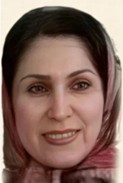 Zahra Shahbaz Tabari, a 67-year-old prisoner with a master’s degree in sustainable energy from Sweden, was also subjected to severe psychological and physical pressure following prolonged solitary confinement in Lakan Prison in Rasht. Reports indicate that she was denied the right to freely choose legal counsel and that judicial proceedings against her took place under opaque and highly securitized conditions.
In some cases, denial of treatment has ended in death.
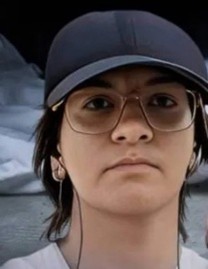 Somayeh Rashidi, a 42-year-old woman arrested for writing protest slogans, reportedly suffered repeated seizures after sustaining severe head injuries during detention. According to reports, she was given sedatives instead of specialized medical treatment, and her transfer to hospital was repeatedly delayed. She eventually fell into a coma and died after being transferred to a hospital.
Qarchak; A Prison That Produces Illness
Inside Iran’s women’s prisons, denial of medical care extends beyond delayed treatment; it increasingly resembles the slow destruction of human beings through pain and physical deterioration.
Qarchak Prison in Varamin, long used as a place of punishment and exile for women political prisoners, has become notorious for its harsh living conditions. Prisoners report shortages of clean drinking water, frequent power outages, lack of ventilation, overcrowding, and widespread contamination.
Other reports describe similarly degrading conditions, including overcrowded wards, infestations of insects and rodents, lack of hygiene facilities, and the placement of sick prisoners alongside inmates convicted of violent crimes. Women suffering from heart disease, respiratory illnesses, and chronic gastrointestinal conditions are reportedly held under these same circumstances.
Freedom That Does Not End Imprisonment
For many women prisoners in Iran, imprisonment does not end upon release.
Arghavan Fallahi, who had previously been released after months of detention and solitary confinement, was rearrested without a judicial warrant and transferred to an undisclosed location. Maryam Akbari Monfared, after completing a lengthy prison sentence, faced renewed judicial cases and continued security pressure.
In many cases, relatives of female prisoners themselves become targets of intimidation. Threats of arrest, pressure to remain silent publicly, repeated summons, and threats to confiscate bail guarantees form part of the same cycle of repression that continues beyond prison walls.
When Treatment and Defense Become Crimes
In today’s Iran, repression does not target prisoners alone.
In the aftermath of nationwide protests and uprisings, even treating the injured and providing legal defense to detainees have increasingly been criminalized. Female doctors, nurses, and lawyers who attempted to support protesters and prisoners have themselves faced arrest, interrogation, and prosecution.
Reports indicate that several female doctors and medical workers were arrested for providing treatment to injured protesters. Dr. Golnar Naraqi, an emergency physician, was transferred to Qarchak Prison. Fatemeh Afshari, an operating room technician and mother of an eight-year-old child, was arrested. Other female medical professionals, including Parisa Parkar, Ghazal Omidi, Ameneh Soleimani, and Shamsi Abbasalizadeh, reportedly came under pressure for treating injured protesters or for activities related to medical assistance.
At the same time, official authorities themselves acknowledged the detention of medical personnel. The head of Iran’s Medical Council publicly stated that a number of doctors, pharmacists, and healthcare workers remained in detention; an admission that reflects the growing securitization of healthcare in Iran.
Reports also indicate that security forces raided hospitals in several cities, arrested injured protesters directly from hospital beds, and pressured medical personnel to identify demonstrators. Hospitals, like prisons, increasingly became extensions of the state’s repression apparatus.
Female lawyers have also faced a new wave of arrests and intimidation.
In May 2026, lawyer Bahar Sahraeian was arrested at her office in Shiraz and transferred to the women’s ward of Adelabad Prison. She had previously faced pressure to represent political and civil defendants. Around the same period, two other women lawyers in Shiraz, Elham Zeraatpisheh and Astareh Ansari, were also arrested.
These arrests demonstrate that repression in Iran extends beyond prisoners themselves; it increasingly targets the broader network of doctors, nurses, lawyers, and advocates attempting to defend or care for victims.
Golrokh Iraee; Writing from Inside Prison
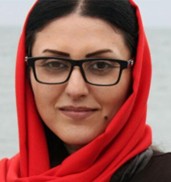 Inside the women’s ward of Evin Prison, Golrokh Iraee continues to write.
She is not only a political prisoner, but also a writer, civil activist, and defender of women’s rights who has spent years facing imprisonment, judicial harassment, and exile-like transfers because of her human rights activities, opposition to executions, and defense of freedom of expression.
In May 2026, Iraee wrote a letter from inside Evin Prison addressed to PEN America, describing an atmosphere of suffocation, repression, and resistance inside Iran’s prisons.
“In this country,” she wrote, “writing openly about the suffering of people who rise against oppression is treated as a crime. Those who use their pens to expose pain and injustice to the world are themselves worn down in silence and deemed deserving of prosecution.”
Elsewhere in the letter, she wrote: “We write to resist the physical elimination of human beings; to resist the erasure of thought, belief, political rights, ideological identity, and social existence.”
In another passage, she declared: “We continue writing even if our freedom is chained. Even if we are threatened, restricted, forced into exile, or made to sacrifice our lives.”
Golrokh Iraee’s letter is not merely a political or literary text. It is testimony from inside a prison system where women continue to endure illness, psychological pressure, denial of medical treatment, and constant security threats while struggling to preserve their voices and identities.
Prison Beyond Prison Walls
In Iran today, prison is not always made of walls and iron bars.
Prison can remain in the body; in untreated illness, chronic pain, constant anxiety, fear imposed on families, late-night security calls, denial of healthcare, intimidation of doctors and lawyers who attempt to defend victims, and in the memories of women who remain under surveillance and pressure long after release.
On the International Day of Action for Women’s Health, the international community, human rights organizations, the UN Special Rapporteur on Iran, the Special Rapporteur on the Right to Health, the Special Rapporteur on Torture, UN Women, and organizations defending prisoners’ rights should treat the denial of medical care to women prisoners in Iran not as an administrative or medical issue, but as a form of systematic repression and inhuman treatment.
International bodies should call for the immediate release of ill women prisoners, unrestricted access to independent medical treatment, investigations into deaths in custody such as that of Somayeh Rashidi, an end to pressure on prisoners’ families, and the cessation of arrests targeting doctors, nurses, and lawyers punished for treating or defending victims of repression.