Engineering of Terror within the Context of Gender Apartheid
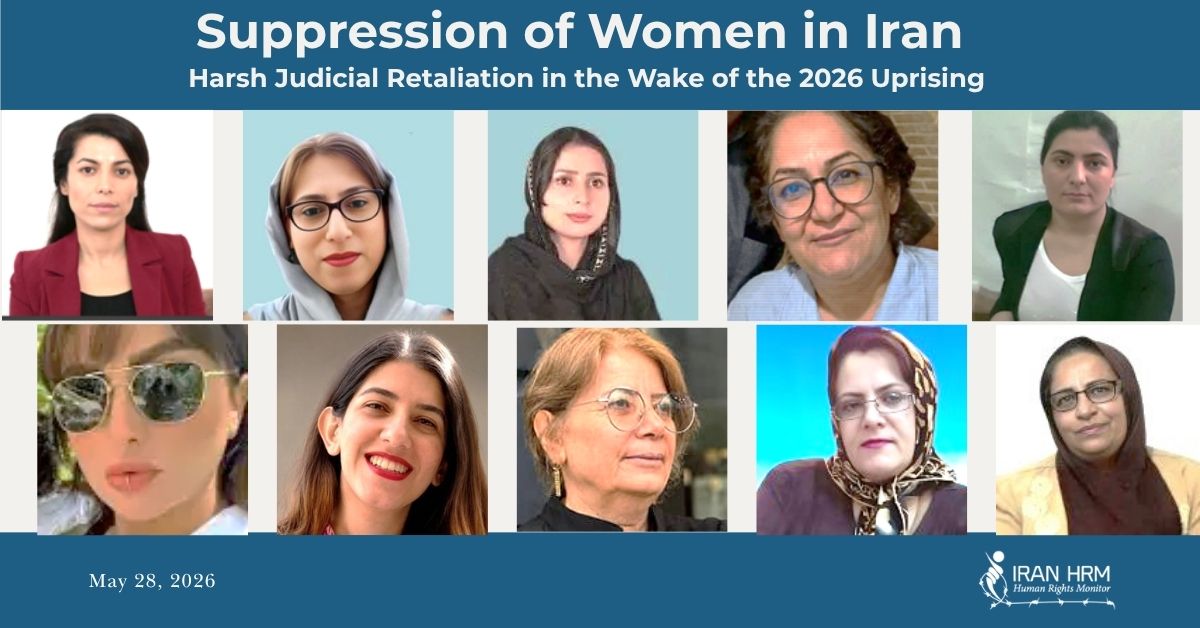
Recent protest movements, particularly the 2026 uprising, targeted the Achilles’ heel of the power structure: the pioneering role and leadership of women. In response to this fundamental shock, the security and judicial apparatuses have launched a broader wave of systematic suppression of women in Iran by unprecedentedly escalating and accelerating past repressive tools. This aggressive strategy possesses a multi-layered structure. On one hand, the Revolutionary Courts seek political retaliation and the suffocating of society’s voice by issuing death sentences for political and protesting women. On the other hand, the execution machine within the ordinary crimes sector targets female victims of social harms; ranging from child brides and domestic violence victims who acted in self-defense by killing their spouses, to destitute and impoverished women who, under the influence of smuggling rings affiliated with powerful institutions, fall victim to the gallows on drug-related charges. Through these parallel arms, the regime has equipped public intimidation with the harshest judicial mechanisms.
Today, the frontline of defiance against this onslaught is active within the women’s wings of prisons, where women’s resistance fuels the most authoritative anti-execution campaigns. In this article, we dissect the blatant dimensions of the systematic suppression of women in Iran by analyzing the following axes: the threat of death sentences being carried out against protesting and political women, the surge in execution statistics of women on ordinary charges in 2026, the critical condition of female political prisoners under pressure, the intensified pressures aimed at breaking the “No to Execution Tuesdays” campaign, and finally, the targeted escalation of the suppression machine against religious dissidents, specifically Baha’i women.
The Judicial Raid of the Revolutionary Courts; Women Standing Under the Shadow of Death Sentences
The security and judicial apparatus of the Islamic Republic utilizes a collection of death sentences issued prior to the uprising, as well as the cases of post-2026 uprising detainees, as a tool for public intimidation to break the will of women who have been at the forefront of social transformations. Documented review of ongoing cases reveals that the judiciary, relying on abstract charges such as “armed rebellion” and “enmity against God” in the Revolutionary Courts, practically uses the death penalty as an arm of suppression and political retaliation against political and protesting women—both regarding previously issued sentences and in the process of issuing new ones.
At the helm of this manufactured process stand the names of judges such as Iman Afshari (Head of Branch 26 of the Tehran Revolutionary Court) and Abolghassem Salavati (Head of Branch 15), acting as the primary agents of this execution machine. The issuance of a death sentence in April 2026 for Maryam Hadavand based on forced confessions under torture and without the presence of a chosen lawyer, alongside the sentence issued for Zahra Shahbaz Tabari, a 67-year-old citizen, in a 10-minute trial held in absentia via video-conference (presided over by Judge Ahmad Darvish Goftar on October 25, 2025), represent the most blatant examples of judicial terror. The regime has even equated civil medical and relief aid, such as Mahboubeh Shabani assisting wounded protesters with a motorcycle in Mashhad, with the charge of Moharebeh to maximize the scope of public intimidation.
In the following section, the legal status and breakdown of the cases of these courageous women have been documented based on the latest developments in the year 1405 (2026):
Table 1: Female Political and Protesting Prisoners Under Initial Death Sentences or at High Risk of Issuance
| Full Name | Legal Charge / Pretext of Case Fabrication | Court, Judge, and Case Status | Current Prison |
| Maryam Hadavand | Affiliation with the arson of a mosque in Pakdasht during the January 2026 protests. | Sentenced to death (April 2026) – Branch 26 of the Tehran Revolutionary Court / Judge Iman Afshari (Deprived of a chosen lawyer; verdict relies on confessions under torture). | Evin (Women’s Wing) |
| Zahra Shahbaz Tabari (67 years old) | Baghi (Armed rebellion) / Sympathy for the People’s Mojahedin Organization (MEK). | Sentenced to death in a 10-minute video-conference trial (late October 25, 2025) – Branch 1 of the Rasht Revolutionary Court / Deprived of an independent lawyer. | Lakan Prison, Rasht |
| Mahboubeh Shabani (33 years old) | Moharebeh (Civil and medical assistance to wounded protesters). | At extreme risk of a death sentence / Arrested on February 2, 2026, by the Mashhad Intelligence Department. | Vakilabad Prison, Mashhad |
| Pakhshan Azizi | Baghi (Armed rebellion through membership in opposition groups). | Sentenced to death (July 2024) – Branch 26 of the Tehran Revolutionary Court / Judge Iman Afshari. | Evin (Women’s Wing) |
Tactical Retreats; The Manifestation of Civil and International Campaigns’ Power
Although the dimensions of this judicial onslaught are vast, analyzing other layers of these very same cases reveals another vital fact: the apparatus of suppression is not invincible. The consecutive and chain reversals of death sentences of women such as Varisheh Moradi, Bita Hemati, and Sharifeh Mohammadi by the Supreme Court demonstrate that the tactical retreats of the judicial system have occurred precisely at points where the comprehensive pressure of public opinion, civil campaigns inside prisons (such as “No to Execution Tuesdays”), and international documentation have severely raised the political cost of executing death sentences for the regime.
These reversals of sentences do not stem from judicial compassion but are the result of the resilience of society and independent lawyers taking a stand against obedient judges; a fact that doubles the necessity of continuously escalating and forwarding these cases to global human rights bodies.
Table 2: Female Defendants Whose Death Sentences Were Cancelled/Overturned Under Legal and Civil Pressures
| Full Name | Initial Charge | Latest Legal Status and Sentence Reversal Process | Current Prison |
| Verisheh Moradi | Baghi (Armed rebellion through membership in opposition groups). | The death sentence issued by Judge Salavati was overturned by the Supreme Court on December 10, 2025, and the case was referred to a co-ordinate branch for review. | Evin (Women’s Wing) |
| Bita Hemati | Operational activities for a hostile state and hostile groups + Assembly and Collusion. | The death sentence issued in mid-April 2026 by Judge Iman Afshari was overturned by the Supreme Court, and the case was referred back to a co-ordinate branch for retrial. | Evin (Women’s Wing) |
| Sharifeh Mohammadi | Baghi (Labor activist). | The initial death sentence (issued in July 2024 by the Rasht Revolutionary Court) was overturned by the Supreme Court in Autumn 2024, and the case was referred back for retrial. | Lakan Prison, Rasht |
The Hidden Execution Machine: Sacrificing Women in the Context of Social Harms and Structural Poverty
The parallel and equally horrifying dimension of the systematic suppression of women in Iran is conducted within general wards through the verdicts of two judicial arms: the “Criminal Courts” (for murder charges) and the “Revolutionary Courts” (for drug-related charges). A deep look into the identities and cases of the women who have been hanged since the beginning of 2026 reveals that these executions are not a response to a “crime,” but rather political retaliation against structural victims who were first destroyed by discriminatory family laws, forced marriages, child marriage, and absolute poverty.
An analysis of these women’s cases reveals that they are predominantly divided into two main groups:
- Victims of Domestic Violence and Child Marriage: Women who, due to forced marriage during childhood (such as Hanifeh Avandi, who was forced into marriage at the age of 17) or enduring years of domestic violence, found themselves in an absolute legal dead-end. In the absence of civil support, they committed the murder of their spouses in self-defense or to escape the crisis.
- Victims of Poverty and Systematic Trafficking Rings: Women driven toward drug-related offenses out of desperation, unemployment, and destitution (such as Soheila Azizi and Kimia Khani). These executions take place while large-scale trafficking networks connected to security agencies and the Islamic Revolutionary Guard Corps (IRGC) not only enjoy absolute immunity and luxurious lives but also use narcotics as a tool to break the resistance of prisoners within the wards.
Another shocking aspect is the “news blackout policy.” The judiciary of the Islamic Republic has not officially announced any of these executions, and the killing machine proceeds under total media silence alongside ongoing political crises. Statistics show that since Masoud Pezeshkian’s administration took office alone, the regime’s execution machine has taken the lives of more than 3,680 prisoners, including 100 women.
Table 3: Specifications and Social Context of Executed Women Since the Beginning of 2026
| Full Name | Charge / Issuing Authority | Child Marriage / Domestic Violence Status | Date and Location of Execution | Social Context and Case Details |
| Tayyebeh Hekmat (53 years old) | Spouse murder / Criminal Court | Victim of domestic violence | January 6, 2026 (16 Dey 1404) / Zanjan Prison | Mother of 3 children, detained for 7 years; the first female victim at the beginning of 2026. |
| Soheila Azizi | Narcotics / Revolutionary Court | Unspecified (Victim of structural poverty) | January 7, 2026 (17 Dey 1404) / Mashhad Prison | Convicted in the Vakilabad Revolutionary Court; without any official announcement by judicial authorities. |
| Akram Rezaei | Murder / Criminal Court | Victim of domestic violence | January 13, 2026 (23 Dey 1404) / Rasht Prison | Execution carried out simultaneously with nationwide protests and the ongoing widespread internet shutdown in Iran. |
| Kimia Khani | Narcotics / Revolutionary Court | Unspecified (Victim of structural poverty) | January 19, 2026 (29 Dey 1404) / Isfahan Prison | Lack of official confirmation or announcement of the execution by prison officials and responsible institutions. |
| Leila Joudaki | Murder / Criminal Court | Victim of domestic violence | January 25, 2026 (5 Bahman 1404) / Qom Prison | Convicted in Criminal Courts; no official announcement by prison authorities and responsible bodies. |
| Mahnaz Roshani | Unspecified | Unspecified | January 31, 2026 (11 Bahman 1404) / Isfahan Prison | The charge and specific details of her case is not determined. |
| Shahla Dowlatabadi | Murder / Criminal Court | Unspecified | February 9, 2026 (20 Bahman 1404) / Kerman Prison | No official announcement of the execution by Kerman prison officials or official judicial bodies. |
| Esmat Najafi | Murder / Criminal Court | Victim of domestic violence | February 15, 2026 (26 Bahman 1404) / Qom Prison | Issued by Criminal Courts; no official announcement of the execution by responsible institutions. |
| Mina Nasirpour (approx. 40 years old) | Narcotics / Revolutionary Court | Unspecified | February 16, 2026 (27 Bahman 1404) / Tabriz Prison | Detained alongside her husband for two years; no announcement made by domestic media. |
| Soheila Asadi (30 years old) | Spouse murder / Criminal Court | Victim of forced marriage | February 23, 2026 (4 Esfand 1404) / Isfahan Prison | A 30-year-old woman from Kashan, detained for 4 years following legal dead-ends. |
| Hanifeh Avandi (24 years old) | Spouse murder / Criminal Court | Child bride (Forced marriage at age 17 with a disabled man) | April 19, 2026 (30 Farvardin 1405) / Tabriz Prison | Committed murder after 11 months of married life. Suffered from severe psychological illness in prison. |
| Asma Zarei (28 years old) | Murder / Criminal Court | Unspecified | May 20, 2026 (30 Ordibehesht 1405) / Ardibil Prison | Mother of a 2-year-old child; gave birth to and raised her infant inside prison. |
| Shahnaz Javadi | Narcotics / Revolutionary Court | Victim of domestic violence | October 12, 2025 (20 Mehr 1404) / Naein Prison | This sentence was carried out previously, and recent reports in 2026 have confirmed her identity. |
Anatomy of the Situation of Female Political Prisoners: Multi-Layered Levers to Crush Resistance
Simultaneously with the escalation in issuing death sentences, the judicial and security apparatus of the Islamic Republic is pursuing a strategy of gradual attrition and silent elimination against female political prisoners in Iran. This multi-layered approach encompasses a wide spectrum of tools—ranging from apocalyptic prison sentences and prolonged legal limbo to the consecutive stripping of basic rights such as telephone access and medical treatment—in order to isolate the organizers of resistance within the women’s wings.
An analysis of the latest human rights reports from April and May 2026 exposes the exact dimensions of this systematic suppression across three primary axes:
- Issuance of Heavy Sentences, Arbitrary Mass Arrests, and the Strategy of “Legal Limbo”
With the aim of curbing society’s protest potential, security agencies have initiated a new wave of arrests without presenting judicial warrants, keeping the defendants in a state of suspension and limbo.
- The Case of Leila Ramazani and Fatima Malek-Ahmadi: In a ruthless move, the judicial authorities of Semnan Province have sentenced these two protesting women to a combined total of 53 years in prison on charges of communicating with opposition networks and sending content. These heavy sentences were issued in a completely securitized and opaque atmosphere, accompanied by supplementary punishments such as dismissal from government services, travel bans, and deprivation of membership in political and social groups or parties.
- Maryam Nouri (A Justice-Seeking Spouse): One of the detainees of the January 2026 nationwide uprising, she continues to be held in legal limbo after more than 4 months in the “Band-e Aramesh” (Tranquility Ward) of Vakilabad Prison in Mashhad. Maryam Nouri’s arrest occurred only a few days after her husband, Ashkan Torabzadeh, was targeted by direct and fatal gunfire from government forces on January 9, 2026. Judicial authorities deliberately refuse to issue a bail order for this justice-seeking spouse.
- Fresh Arrests and Absolute Lack of News: Mahsa Zeidabadi, a 20-year-old girl (born in 2006) from Sabzevar, was arrested on May 18, 2026, after being summoned to the Intelligence Department. She was subsequently transferred to Torbat-e Heydarieh Prison, where she remains in a state of limbo. Concurrently, on May 13, 2026, Forouzan Eslami, an English language teacher in Urmia, and in mid-May, Asti Mohammadi, a 67-year-old Kurdish woman in Bukan, were arrested without judicial warrants. Ms. Mohammadi’s personal belongings were confiscated, and due to the total cutoff of communication, the family of this elderly citizen is in severe anxiety regarding her health status.
-
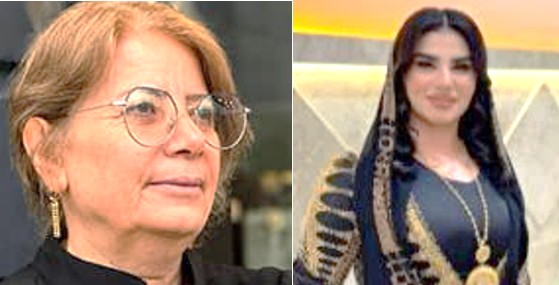
Asti Mohammadi (left) and Forouzan Eslami 
2. Parallel Case-Fabrication and Retaliation Against Families

The regime targets not only activists but also their relatives and even fabricates new cases against prisoners within the prisons.
- Mahnaz Hadad Kakhki (A 53-Year-Old Teacher): She is an elementary school teacher residing in Golbahar, Mashhad. Her son (who was a biology teacher in Fariman) was arrested at his workplace on February 17, 2026, and faces a horrifying death sentence. Exactly one day later, when Ms. Hadad Kakhki went to the Fariman Judiciary to follow up on her son’s situation, she was arrested for seeking justice and protesting the judicial process, and was transferred to Vakilabad Prison in Mashhad. Her charge has been stated as “propaganda against the state.”
- Varisheh Moradi: In addition to her previous case, this political prisoner has faced a new case opened
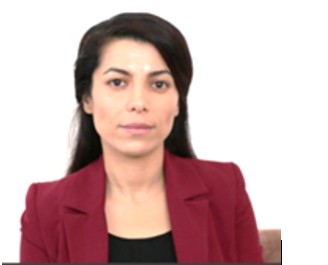 against her inside prison, resulting in an additional 6-month prison sentence on charges of propaganda against the state. Previously, in the autumn of 2025, she had been sentenced to 6 months of discretionary imprisonment by Branch 2 of the Qods Judicial Complex in Tehran on charges of “clashing with an officer and defiance.” That case stemmed from a protest by female prisoners in Evin on August 7, 2025, following news of the execution of Reza Rasaei and the subsequent raid by prison guards.
- Punitive Deprivations and Medical Blackouts Under “Wartime Conditions”
The introduction of harsh punitive protocols to cut off prisoners’ voices and deliberate medical deprivation serve as two active tools of suppression.
- Disconnection of Telephone Cards in Evin: On May 24 and 25, 2026, Evin Prison officials, in a punitive measure, deactivated the telephone cards of five prominent female political prisoners, including Golrokhe Iraee, Zahra Safaei, Marziyeh Farsi, Shiva Esmaeili, and Sakineh Parvaneh, depriving them of their right to make calls. This communication raid was carried out due to these women’s participation in the “No to Execution Tuesdays” campaign and chanting slogans against the execution machine. These five prisoners had previously been deprived of face-to-face visitations with their families and lawyers, a restriction that remains ongoing. Varisheh Moradi faced a similar fate on May 26, 2026, with her telephone access cut off for chanting anti-execution slogans in the prison yard.

Your Content Goes Here
- The Case of Nasim Gholami Simiari: She has also been punitively deprived of her telephone rights,
 following a one-week ban on face-to-face visits with her family and lawyers. The authorities’ pretext for cutting off her phone was her “conversation with Lindsay Forman” (a British citizen sentenced to 10 years in prison on fabricated espionage charges). Prison officials had even previously banned Nasim from visits for a week under the ridiculous pretext of “wearing shorts.” Nasim Simiari (arrested May 18, 2023) was sentenced by Judge Iman Afshari to heavy punishments, including 20 years of Nafi-ye Bald (internal exile) and solitary banishment in the Angouran District of Zanjan Province—under conditions where she must have absolute isolation from any socialization, commuting, or interactions—alongside 5 years of prison for assembly and collusion, 1 year of prison, and 74 lashes.
 - Medical Deprivation of Zeynab Jalalian inside the Context of Wartime Conditions: Zeynab Jalalian, a s
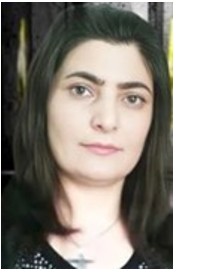 ymbol of enchained women’s resistance, is spending her twentieth year of a life imprisonment sentence in Yazd Prison and is in a critical physical condition. Last autumn, she finally underwent a “uterine fibroid embolization” surgery under international pressure, but security agents forced her back to Yazd Prison only 24 hours after the operation, before her recovery period was complete. This action caused continuous bleeding, acute abdominal pain, and severe anemia, to the extent that last week she temporarily lost her mobility. Despite warnings from prison medical staff regarding the necessity of an immediate transfer for ultrasound and MRI scans due to the potential regrowth of the fibroids, Yazd Prison authorities have deliberately suspended all transfers of sick political prisoners outside the facility under the pretext of “wartime conditions” and regional military tensions, actively playing with her right to life.
A New Wave of Suppression Against Religious Minorities
The campaign of systematic harassment and suppression against religious minorities in Iran has taken on more severe dimensions during April and May 2026. According to documented reports, since the onset of military crises in the region, pressure on these citizens has increased. The security apparatus, focusing on the detention of Baha’i women and Christian converts and their deliberate deprivation of basic rights, is carrying out an overt form of “ideological inquisition.” This has escalated to the point where Revolutionary Court judges in ongoing cases have openly told these women that they must pay a heavy price due to their religious beliefs.
A review of the details of these cases within a completely opaque judicial environment indicates a gross violation of the fundamental human rights of these citizens:
- Suppression of Christians: Heavy Sentences and Threats of Non-Consolidation of Punishments
- Ghazal Marzban (Christian Convert and Human Rights Activist): On May 20, 2026, she was sentenced to 9 years and 8 months in prison by Branch 26 of the Tehran Revolutionary Court, presided over by Judge
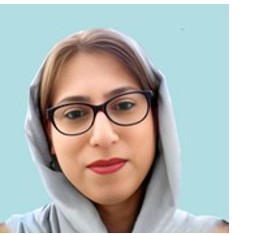 Iman Afshari. The regime’s ideological court sentenced Ms. Marzban to 5 years on the charge of “assembly and collusion,” 4 years on the charge of “promoting killing,” and 8 months on the charge of “propaganda against the state.” Informed sources state that following her arrest, Islamic Revolutionary Guard Corps (IRGC) intelligence operatives subjected her to severe pressure to extract forced confessions and openly threatened that they would not allow the “consolidation of her sentences.” This is intended to force her to serve the entire 9 years and 8 months separately in prison—a vindictive measure designed solely to break this Christian citizen and force her into intelligence cooperation and expressions of remorse.
- The Hub of Baha’i Suppression in Shiraz: Legal Limbo and Physical Crises in Adelabad
In recent months, Adelabad Prison in Shiraz has become one of the primary detention centers for Baha’i women arrested by IRGC Intelligence and the Ministry of Intelligence:
- Sara Sepehri (47 years old): She was arrested in 9 April 2026 following a violent raid by security forces at her residence in Shiraz. Operatives broke down the entrance door to gain entry to the house, even though Ms. Sepehri’s elderly mother has a disability and requires continuous care. After more than 47 days, Sara Sepehri remains in a state of legal limbo in Adelabad Prison. During her detention, due to the pressure of prolonged interrogations, she suffered a stomach hemorrhage, and her pre-existing eye condition has worsened. Depriving her of proper medication and treatment has severely deteriorated her physical and psychological well-being.
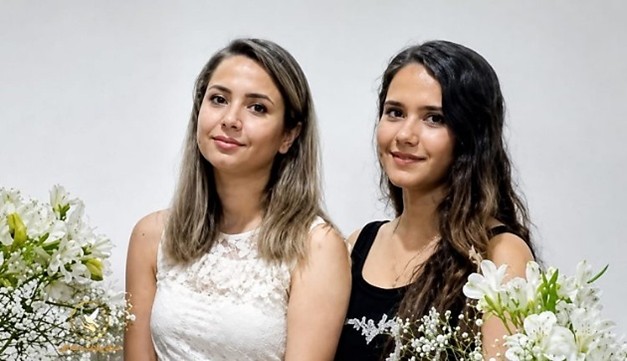
- The Sotoudeh Sisters (Mandana and Mahsa): Mahsa Sotoudeh was arrested on March 29, 2026, by IRGC intelligence forces at her personal residence, and three days later, on April 1, her sister Mandana Sotoudeh was also arrested after her home was searched and her electronic devices were confiscated. After nearly two months, these two sisters continue to be held under security pressure in separate wards of Adelabad Prison in Shiraz, without any clarification of their case status, resolution, or official announcement of charges.
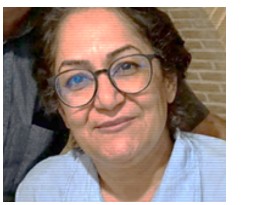 Romina Khazali (Painter and Artist): She was arrested alongside her husband on March 28 and 29, 2026, by IRGC Intelligence in Shiraz. After more than 50 days of detention, her status remains unresolved. Prior to her arrest, Romina Khazali had undergone stomach surgery, and she is currently grappling in prison with surgical complications, severe stomach pain, and acute migraines. The operatives’ obstruction of her medical treatment has left her family in deep anxiety.
- Human Catastrophe in Kerman Prison: Imprisonment of Pregnant Women and Admission to Ideological Inquisition
In Kerman Province, the regime’s judicial system has violated even the most basic human rights and medical protocols regarding imprisoned Baha’i women:
- Boshra Mostafavi (Pregnant Mother): She is a Baha’i citizen residing in Rafsanjan who was previously acquitted of the charges against her in the court of first instance. However, following the prosecutor’s objection, the acquittal was overturned at the appellate stage, and she was sentenced to 4 months in prison. In May 2026, despite being aware of Ms. Mostafavi’s pregnancy, judicial authorities rejected her repeated requests for medical leave to undergo vital and necessary pregnancy tests. Consequently, she is forced to spend this critical period in the substandard conditions of Kerman Prison.
- Didar Ahmadi and Nahid (Elena) Naeimi: These two Baha’i citizens, in a joint case with Boshra Mostafavi, were each sentenced to 4 months of discretionary imprisonment after their initial acquittal was overturned by Branch 7 of the Kerman Province Court of Appeals. They were transferred to Kerman Prison on April 25, 2026, to serve their sentences. During the proceedings, the appellate court judge openly and vindictively told them: “You are Baha’is, and in an Islamic country, you must pay the price for being Baha’i.” This stands as an explicit admission to the fact that the issued verdicts have no legal basis and are founded purely on religious beliefs.
Conclusion: The Chain of All-Out Suppression vs. The Will to Change; Women’s Resistance Cannot Be Broken
A comprehensive and chronological analysis of ongoing cases in the first half of 2026 (1405) reveals that the Islamic Republic’s macro-strategy against women is built upon a “multi-layered terror.” On one hand, the apparatus of suppression seeks political retaliation and the containment of society’s driving potential by issuing death sentences and fabricating parallel cases against protesting, political, and religious dissident women in the Revolutionary Courts. On the other hand, by utilizing its criminal arm in the Criminal Courts, it drives up the execution numbers of women who are victims of social harms, poverty, child marriage, and domestic violence under a total news blackout to inject public intimidation across all civic strata.
Yet, this horrifying picture has another side, which is visibly proven by the consecutive reversals of death sentences under comprehensive pressures; the state’s execution machine retreats when faced with societal cohesion and international campaigns. The remarkable resilience of female prisoners through campaigns such as “No to Execution Tuesdays”—even at the cost of telephone cutoffs, solitary confinement, and extended deprivations—demonstrates that the core of the prison has transformed into the first trench of resistance.
Practical Responsibilities and Solutions for the International Community and Human Rights Bodies:
- Conditioning Diplomatic and Economic Relations: Any engagement, negotiation, or agreement with the Islamic Republic must be directly and conditionally tied to an “immediate halt to the execution of all death sentences” and the “unconditional release of female political and religious prisoners.”
- Targeted Human Rights Sanctions (Blacklisting Agents of Execution): Interrogators of IRGC Intelligence and the Ministry of Intelligence, judges issuing heavy and death sentences (such as Iman Afshari,Abolghassem Salavati and Ahmad Darvish Goftar), and prison officials who enforce communication cutoffs and medical deprivations on prisoners must be placed under severe international sanctions, asset freezes, and travel bans as well as being held accountable by international tribunals.
- Activating International Judicial Mechanisms: Documented cases of arbitrary detentions, torture, ideological inquisition, and systematic medical deprivations (such as the cases of Zeynab Jalalian and pregnant Baha’i women) must be referred through the UN Human Rights Council to international courts and competent authorities to shatter the judicial immunity of the authors and perpetrators of these crimes.
- Pressuring for Independent International Inspections: Mandating the regime to accept UN special rapporteurs and fact-finding committees to conduct unmonitored inspections of the women’s wings in Evin, Adelabad in Shiraz, Vakilabad in Mashhad, Kerman, and Tabriz prisons to evaluate the health and safety of the prisoners.
In this historical juncture, precise documentation, breaking the media siege, and the continuous transmission of these legal facts to international bodies are no longer symbolic gestures, but a vital necessity to save lives standing firm in the darkness of the wards. The clerical regime may be able to halt just due process, but it will never manage to break the will of a generation of women who have risen for their freedom and right to life. The future of Iran will not be dictated by the gallows of the Revolutionary Courts, but by this very profound resilience.