Executive Summary
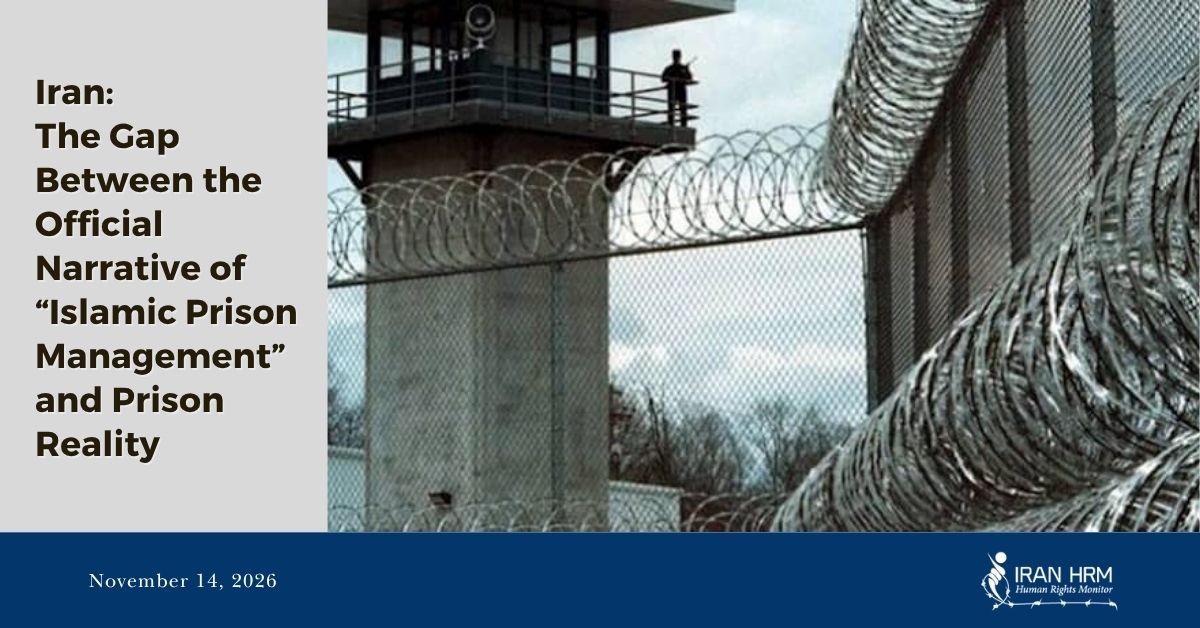
Judicial authorities of the Islamic Republic of Iran frequently speak of “Islamic prison management,” respect for prisoners’ dignity, reducing prison populations, and attending to prisoners’ welfare. In contrast, reports emerging from various prisons across the country, including Greater Tehran Penitentiary, Karaj Central Prison, Birjand Prison, and Maragheh Prison, present a markedly different picture. This picture includes severe overcrowding, prisoners sleeping on floors, food shortages, denial of adequate medical treatment, restricted access to hygiene facilities, prolonged solitary confinement, allegations of torture, and degrading treatment.

This report argues that there is a profound gap between the official narrative promoted by the Islamic Republic regarding prison conditions and the reality described by prisoners, family members, and informed sources. This discrepancy not only affects the fundamental rights of detainees but also raises serious concerns regarding the Islamic Republic of Iran’s compliance with its obligations under international human rights law, particularly in relation to the prohibition of torture, the humane treatment of persons deprived of liberty, and the right to access adequate medical care.
Introduction
In official documents and public statements, the Islamic Republic of Iran has consistently emphasized concepts such as “Islamic prison management,” “preservation of prisoners’ dignity,” “rehabilitation and reform,” and “respect for prisoners’ rights.”
In October 2026, Nasser Atabati, Chief Justice of Tehran Province, stated during a visit to Greater Tehran Penitentiary that, in addition to enforcing the law and carrying out punishment, attending to prisoners’ welfare, family circumstances, health, and living conditions constitutes a human, ethical, and religious responsibility. He also emphasized the targeted reduction of the prison population, the use of alternatives to imprisonment, and continuous judicial oversight within prisons.
However, information gathered from prisons across the country reveals a very different reality. Many prisoners face conditions that differ dramatically from both fundamental human rights standards and the principles publicly articulated by Iranian judicial officials themselves.
Part I: The Official Narrative of the Islamic Republic: Prisoner Dignity, Islamic Prison Management, and Reduction of the Prison Population
In October 2026, Nasser Atabati, Chief Justice of Tehran Province, presented a vision of Iran’s prison system grounded in humanitarian, ethical, and rehabilitative principles during his visit to Greater Tehran Penitentiary.
According to Atabati:
“Enforcing the law, investigating crimes, issuing judgments, and carrying out punishments are duties of the judiciary toward society, but addressing prisoners’ problems, their family situations, health conditions, and living circumstances is likewise a religious, humanitarian, and ethical obligation.”
He stressed that judicial officials should not view prisoners solely through the lens of their cases and sentences, but must also consider the well-being of prisoners’ families, their physical and psychological health, and the hardships they face during incarceration.
Describing this approach as a defining feature of “Islamic prison management,” Atabati further stated:
“Alongside implementing the law, there must also be a humane perspective toward the prisoner.”
He further emphasized the necessity of reducing prison populations and called upon prosecutors to exercise greater caution when issuing detention orders:
“Prosecutors must carefully examine whether detention is genuinely necessary or whether other legal alternatives can be applied.”
He continued: “In many cases, proper use of existing legal mechanisms can prevent individuals from entering prison, and those capacities must be utilized seriously.”
Atabati also advocated broader use of alternatives to incarceration:
“The capacity for alternative punishments to imprisonment must be utilized genuinely and within the framework of the law.”
Elsewhere in his remarks, he called for the continuous presence of judicial officials inside prisons:
“Prison supervisory judges, sentence enforcement judges, and social workers should not wait for prisoners to approach them with problems; rather, they should enter the wards themselves and identify prisoners’ concerns.”
He went even further by stating: “The condition of every individual prisoner must be monitored, and matters such as nutrition, living conditions, sentence implementation, qisas cases, and other issues affecting prisoners’ lives must be examined seriously.”
Taken together, these statements present a vision of prison administration centered upon human dignity, continuous judicial oversight, concern for prisoners’ health and welfare, reduction of prison populations, and extensive use of alternatives to imprisonment.
However, evidence gathered from prisons across Iran suggests a significant gap between this official narrative and the actual conditions described by prisoners and informed sources, raising serious questions regarding the implementation of these principles in practice.
Part II: The Reality of Iran’s Prisons: Overcrowding, Deprivation, and Inhumane Conditions
Maragheh Prison: From Overcrowding and Floor-Sleeping to Allegations of Torture and Forced Confessions
Information gathered from Maragheh Prison paints a troubling picture of prison conditions.
According to available information, the prison population is estimated at between 1,000 and 1,200 inmates, a figure reportedly far exceeding the facility’s actual capacity.
One manifestation of this overcrowding is the widespread practice of prisoners sleeping on floors. In the “health ward,” where newly admitted inmates are initially transferred, approximately 120 prisoners are reportedly held in a space measuring only 70 to 80 square meters. Only some inmates have access to beds; others sleep directly on the floor. Some reportedly lack even basic necessities such as blankets and pillows and must improvise using personal belongings.
Severe overcrowding has also been reported in other wards. In one section, 140 to 180 prisoners are reportedly held despite the presence of only 104 beds, forcing a number of inmates to sleep in hallways or other unsuitable areas.
Lack of Access to Medical Care
One of the major concerns reported in Maragheh Prison is inadequate access to healthcare. According to available information, specialist physicians are not regularly available inside the prison, and requests for transfers to outside medical facilities for seriously ill prisoners may take between one and ten days to be approved. Such delays may have serious consequences for prisoners requiring urgent or specialized treatment.
Failure to Separate Categories of Prisoners
Reports further indicate that the principle of prisoner classification is not consistently observed. Individuals accused or convicted of murder, drug-related offenses, financial crimes, and other offenses are reportedly detained together in the same wards or even the same rooms, contrary to accepted correctional standards and prisoner classification principles.
Allegations of Torture and Physical Abuse in Quarantine Sections
Another disturbing aspect of the information gathered concerns allegations regarding treatment in the prison’s quarantine section. According to reports received, some detainees were allegedly beaten while blindfolded and shackled. Individuals providing testimony claim to have personally experienced such treatment.
Allegations of Torture During Criminal Investigations and Confession Extraction
Among the most serious allegations are those concerning the conduct of officers from the Maragheh Criminal Investigation Department. According to information received, some detainees were allegedly subjected to pressure, beatings, and torture designed to compel them to confess not only to the charges against them but also to unresolved criminal cases.
In one reported case, an individual identified as Ramin Arigh was allegedly arrested in connection with a theft accusation and subsequently linked to multiple additional cases. According to this account, he suffered severe eye injuries during beatings and later lost one eye due to the absence of adequate medical treatment.
While these allegations require independent investigation, access to medical documentation, and judicial review, their seriousness and nature underscore the need for urgent examination by independent national and international bodies.
Officials Named in Relation to Reported Events
Information received identifies several officials and personnel allegedly associated with the management of the prison or the incidents described above:
- Gholamreza Soltani, Head of Maragheh Prison
- Esmaeil Eghbali, Deputy Director
- Jabbar Zeinali, Prison Officer
- Ahmad Seyed Babaei, Prison Officer
- Hossein Mokhtari
- Amir Jangjou, Head of Ward 2
- Hadi Nasirzadeh, Officer at Maragheh Criminal Investigation Department
- Yousef Aghaei, Former Head of the local Promotion of Virtue and Prevention of Vice Office
- Ebrahim Akbariyan, Head of Tabriz Central Prison
- Safirlou, Director General of Prisons in East Azerbaijan Province
The inclusion of these names in this report does not constitute a determination of legal responsibility. Their names appear solely because they were identified in testimony and information received. Any finding of legal or criminal responsibility would require an independent, impartial, and evidence-based investigation.
Birjand Prison: Severe Overcrowding, Deprivation of Hygiene, and Conditions Incompatible with Human Dignity
Information gathered from Birjand Prison indicates the existence of chronic and structural problems relating to overcrowding, access to water, nutrition, sanitation, and overall detention conditions.
Located on the Birjand–Khusf road, the prison consists of eleven wards and a quarantine section. According to information received, the population of certain wards ranges between 300 and 600 prisoners, placing considerable strain on the prison’s healthcare, sanitation, and service infrastructure.
Limited Access to Water and Unsanitary Conditions
According to available information, prisoners periodically face water shortages or interruptions lasting several days. The prison’s water supply is reportedly drawn from a well, and its quality has been described as unsuitable for both drinking and bathing. Repeated failures in water supply infrastructure, coupled with restricted access to shower facilities, further exacerbate prisoners’ living conditions.
In an environment where large numbers of individuals are confined together, inadequate access to safe water and sanitary facilities constitutes not merely an issue of comfort but one directly affecting public health and human dignity.
Poor-Quality Food and Reports of Contaminated Meals
Poor food quality represents another serious concern at Birjand Prison. According to reports received, prison food rations are inadequate both in nutritional value and overall quality, while incidents involving insects, including cockroaches and millipedes, allegedly being found in meals have been reported.
Sources further indicate that some prisoners are compelled to rely on the prison canteen to supplement their minimum nutritional needs, while complaints regarding food quality have reportedly been met with degrading or dismissive responses.
Such conditions raise significant concerns regarding whether prisoners’ access to sufficient, nutritious, and safe food—one of the most basic rights of persons deprived of liberty—is being effectively guaranteed.
Conditions of Political Prisoners
According to the information collected, Wards 108 and 109 were designated for political prisoners in 2026. However, physical separation from the general prison population has not reportedly resulted in better detention conditions. Reports continue to indicate overcrowding, inadequate facilities, and persistent sanitation issues within these wards.
Officials Named in Connection with the Prison
Information received identifies several officials and personnel associated with the administration of the prison, including:
- Mohammad Sajedi, Head of Birjand Prison
- Mohammadreza Zangouei, Deputy Director
- Jafari, Supervising Judge
- Mahmoud Sharakandi, Head of Prison Protection
- Rezaei, Head of Security
The inclusion of these names in this report does not constitute a determination of legal responsibility. Rather, they are included because they appear in information and testimonies received. Any assessment of individual responsibility would require an independent, impartial, and evidence-based investigation.
Human Rights Assessment
The conditions described in Birjand Prison raise serious concerns regarding the State’s obligations toward persons deprived of liberty. Severe overcrowding, restricted access to safe water, inadequate sanitation, and poor food quality may be inconsistent with Article 10 of the International Covenant on Civil and Political Rights (ICCPR), which requires humane treatment and respect for the inherent dignity of detainees, as well as with the standards established by the United Nations Standard Minimum Rules for the Treatment of Prisoners (the Mandela Rules) concerning hygiene, nutrition, and living conditions.
Karaj Central Prison: Food Shortages, Inadequate Sanitation, and the Isolation of Political Prisoners
Information gathered from Karaj Central Prison points to persistent problems concerning nutrition, sanitation, infrastructure, and detention conditions.
Inadequate Access to Food
According to reports received, food shortages and poor food quality remain among the primary concerns of prisoners, particularly in Hall 2 and Hall 16/1. In some instances, food reportedly runs out before all prisoners receive portions, leaving inmates without financial support from their families at risk of hunger and malnutrition.
Although the official meal schedule includes items such as rice, stews, lentil dishes, and similar meals, prisoners report that the quality of ingredients and methods of preparation are often so poor that many meals are scarcely edible. Consequently, access to adequate nutrition depends heavily upon a prisoner’s ability to obtain supplementary food through family support.
This situation raises significant concerns regarding compliance with the Mandela Rules, which require the provision of sufficient, nutritious, and hygienically prepared food to all prisoners.
Limited Access to Hygiene and Bathing Facilities
Available information further suggests that sanitary facilities are insufficient for the prison population.
Hall 16/1 reportedly contains only two showers and three toilets. Hall 16/2 contains only one shower and one toilet. In Hall 2, despite a somewhat greater number of facilities, the large prisoner population creates major obstacles to maintaining personal hygiene and regular access to bathing.
Previous reports have documented shortages of hot water, reduced water pressure, infestations of bedbugs, skin diseases, and repeated disruptions in prisoners’ ability to access showers.
Such conditions may be inconsistent with the State’s obligations to protect the health, hygiene, and human dignity of prisoners.
Hall 16: Structural Isolation of Political and Security Prisoners
Hall 16, which is primarily used to house political and security prisoners, appears to operate under conditions distinct from those prevailing in other sections of the prison.
Reports indicate that the direct entrance to Hall 16 has been closed, leaving access possible only through Hall 12. In addition, prisoners in Hall 16 reportedly lack direct access to the prison store and must rely upon inmate intermediaries or designated ward representatives to obtain basic supplies.
Combined with restricted access to recreational space, reports of overcrowding, and difficulties obtaining daily necessities, this arrangement creates a situation of heightened isolation and control over this category of prisoners.
Human Rights Assessment
The conditions documented in Karaj Central Prison, including inadequate food, insufficient sanitation facilities, and the particular circumstances faced by political and security prisoners, raise serious concerns under Article 10 of the International Covenant on Civil and Political Rights (ICCPR) and the Mandela Rules. Even where individuals are lawfully deprived of their liberty, the State remains obligated to safeguard their dignity and ensure adequate access to food, water, sanitation, and humane living conditions.
Greater Tehran Penitentiary: From Rhetoric on Reducing Prison Populations to Reports of Hunger, Medical Neglect, and Pressure on Families
Greater Tehran Penitentiary occupies a unique place within the prison system of the Islamic Republic of Iran. It is one of the facilities most frequently visited by judicial officials and often serves as a showcase for the government’s official narrative regarding prison conditions. However, information received from inside the prison, particularly from Ward 5, presents a markedly different picture.
The High Cost of Accessing Edible Food
According to available information, the quality of the prison’s standard food ration is reportedly so poor that many prisoners are compelled to pay additional fees simply to obtain minimally acceptable meals.
Reports indicate that some prisoners must pay approximately 3.5 million tomans per week for access to improved food, amounting to roughly 14 million tomans per month.
This situation not only creates a de facto disparity between prisoners with financial resources and those without, but also imposes an additional economic burden on families who have often already lost a significant source of income due to the imprisonment of a primary breadwinner.
Inadequate Food Rations
According to information received, regular prison meals often consist of limited portions such as two boiled eggs, a small potato, thin soup, or a small serving of lentils.
Sources report that these rations are insufficient to meet prisoners’ nutritional needs and that inmates unable to afford supplementary food purchases face serious nutritional deficiencies.
In practice, access to adequate food has become largely dependent on the financial circumstances of prisoners’ families, despite the fact that the provision of sufficient and nutritious food is among the core responsibilities of prison authorities.
Denial of Adequate Medical Care
Another serious concern reported in this prison is the limited availability of medical services.
According to reports, regular access to physicians is not guaranteed, and transfers of sick prisoners to specialized medical facilities or hospitals face significant obstacles. For detainees suffering from chronic illnesses or serious medical conditions, such restrictions may result in the deterioration of health and, in some cases, irreversible harm.
Lack of Internal Security and Effective Complaint Mechanisms
Reports further indicate the theft of prisoners’ clothing and personal belongings by a ward representative (“Vakil-e Band”) and individuals associated with him.
According to information received, prisoners have repeatedly complained about the absence of an effective mechanism through which these incidents can be reported and addressed.
While such abuses may appear less severe than concerns relating to healthcare or nutrition, from a human rights perspective they reflect weaknesses in the protection of prisoners’ personal security and basic rights within the detention environment.
Human Rights Assessment
The conditions reported at Greater Tehran Penitentiary raise a range of concerns relating to the right to health, the right to an adequate standard of living during detention, and the principle of humane treatment of prisoners.
While judicial officials of the Islamic Republic of Iran emphasize prisoners’ dignity, prison population reduction, and humane prison administration, reports concerning inadequate food, the dependence of access to proper nutrition on family financial resources, restricted medical services, and persistent day-to-day hardships raise serious questions regarding the practical implementation of these stated commitments.
Part III: Solitary Confinement, Hunger Strikes, and Denial of Medical Care
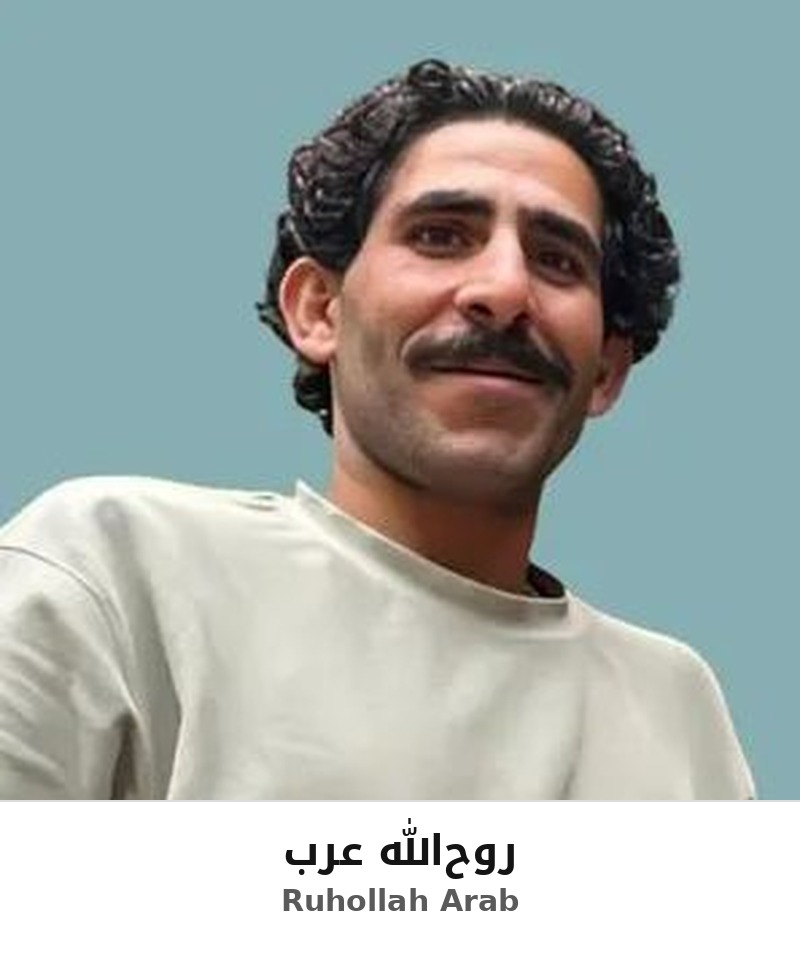
Rouhollah Arab: Hunger Strike as a Last Resort
Rouhollah Arab, a political prisoner held in Semnan Central Prison, has launched a hunger strike in protest against what he describes as judicial misconduct, fabricated charges, and discriminatory application of the law.
In a letter from prison, Arab stated that after exhausting legal and peaceful avenues of complaint, he had resorted to a hunger strike as his final means of seeking justice and drawing attention to his case.
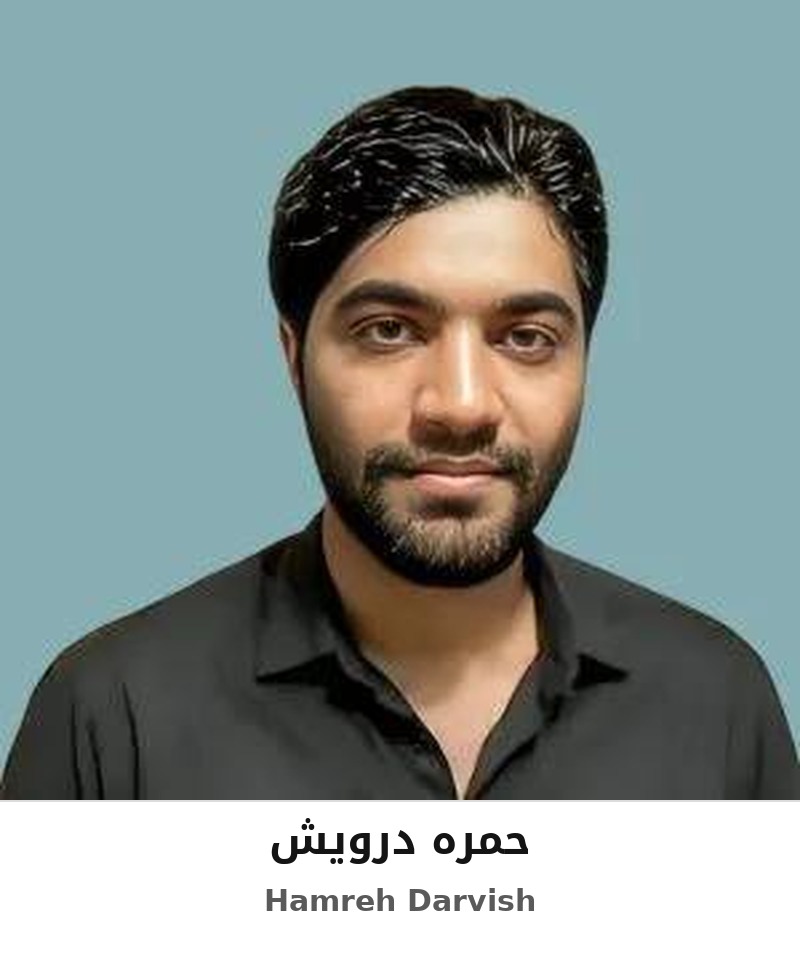
 Hamzeh Darvish: More Than One Month in Solitary Confinement
According to published information, Hamzeh Darvish has been held in solitary confinement for more than one month following his transfer to Qezel Hesar Prison in Karaj.
The severe restrictions imposed on communication with his family, the absence of any transparent explanation regarding the legal basis for the continued isolation, and growing concerns regarding his physical and psychological health are among the issues highlighted in this case.
Authorities reportedly informed family members only that his continued confinement in isolation was based on an order issued by the presiding judge, without providing any further justification or indication of when the measure might end.
Given the internationally recognized risks associated with prolonged solitary confinement, this case raises serious concerns regarding compliance with international standards governing the treatment of persons deprived of liberty.
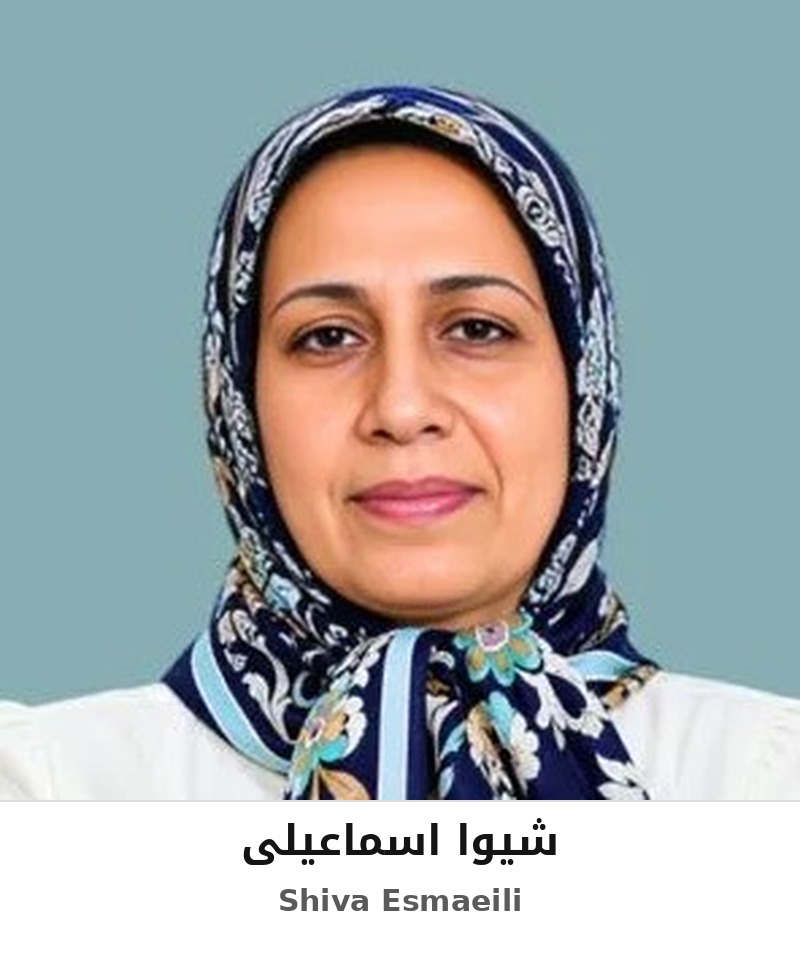
 Shiva Esmaeili: Return to Prison Following Surgery
Shiva Esmaeili, a political prisoner suffering from a serious spinal condition, was returned to prison after undergoing surgery.
According to information received, she was handcuffed to a hospital bed following the operation and faced transfer back to detention without the necessary conditions for post-operative care and recovery.
This decision was reportedly made despite the absence of adequate medical facilities within the prison capable of providing the specialized care required following spinal surgery.
 These circumstances raise serious concerns regarding prisoners’ right to appropriate medical treatment and continuity of care. International human rights standards require that prisoners receive healthcare equivalent to that available in the wider community and that medical decisions be guided solely by clinical considerations rather than security concerns.
The reported treatment of Shiva Esmaeili illustrates broader concerns regarding the medical treatment of prisoners in the Islamic Republic’s prison system and the potential consequences of inadequate healthcare for detainees suffering from serious illnesses.
Legal Assessment
The evidence and information gathered in this report engage a number of international human rights obligations and standards.
Pursuant to Article 10 of the International Covenant on Civil and Political Rights (ICCPR), all persons deprived of their liberty must be treated with humanity and with respect for the inherent dignity of the human person.
Additionally, the United Nations Standard Minimum Rules for the Treatment of Prisoners (the Mandela Rules) require States to ensure adequate access to hygiene, food, drinking water, healthcare, appropriate sleeping accommodations, and communication with family members for all prisoners.
Reports of severe overcrowding, prisoners sleeping on floors, inadequate nutrition, denial of medical care, prolonged solitary confinement, and allegations of physical abuse raise serious concerns regarding the compatibility of current prison conditions with these international standards.
Furthermore, prolonged solitary confinement and allegations of beatings, coercion, and forced confessions may engage the prohibition of torture and cruel, inhuman, or degrading treatment or punishment as set out in Article 7 of the International Covenant on Civil and Political Rights (ICCPR).
From Prison to the Magnitsky Award: Two Conflicting Narratives of a Political Prisoner
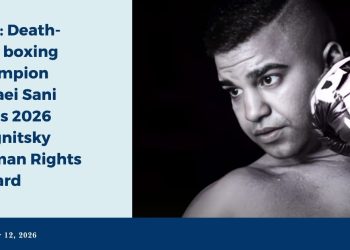
One of the most symbolic illustrations of the gap between the Islamic Republic’s treatment of political prisoners and the international community’s assessment of them is the case of Mohammad Javad Vafaei Sani.
While the judiciary of the Islamic Republic of Iran has repeatedly prosecuted this political prisoner and sentenced him to death for a third time, the international community has increasingly recognized him as a symbol of resistance against political repression.
On November 12, 2026 (21 Aban 1405), Mohammad Javad Vafaei Sani was announced as the recipient of the 2026 Magnitsky Human Rights Award in the category of “Outstanding Human Rights Activist.” This internationally recognized award is presented to individuals who have demonstrated exceptional courage in confronting authoritarianism, repression, and serious human rights violations.
The decision to honor a prisoner facing execution in Iran is not merely symbolic. Rather, it reflects a fundamental divergence between two competing narratives. On one side stands the judicial and security apparatus of the Islamic Republic, which subjects political activists, protesters, and dissenting voices to arrest, prolonged imprisonment, and in some cases capital punishment. On the other side stands a significant segment of the international community that views these same individuals not as criminals, but as defenders of freedom, human rights, and human dignity.
This divergence extends far beyond a single individual. The case of Mohammad Javad Vafaei Sani has become emblematic of the broader gulf separating the Islamic Republic’s treatment of political prisoners from internationally recognized human rights norms. This gap is reflected in the assessment of prison conditions, the use of long-term imprisonment and solitary confinement, restrictions on fundamental prisoner rights, and the continued use of the death penalty in cases with political dimensions.
In this context, the significance of the name “Magnitsky” extends beyond an international human rights award. It is also associated with a series of human rights accountability mechanisms, including Global Magnitsky sanctions regimes in the United States, United Kingdom, Canada, and the European Union. These frameworks allow for targeted sanctions against individuals implicated in serious human rights violations, including torture, arbitrary detention, and other grave abuses of human dignity.
Viewed through this lens, the continuing reports of torture, denial of medical treatment, violations of prisoners’ rights, and inhumane treatment within Iranian prisons may attract increasing scrutiny from international institutions and accountability mechanisms concerned with serious human rights violations.
Conclusion
The evidence examined in this report suggests that the gap between the Islamic Republic’s official narrative of “Islamic prison management” and the conditions reported inside Iranian prisons cannot be explained merely by administrative shortcomings or isolated incidents.
Severe prison overcrowding, the widespread practice of prisoners sleeping on floors, restricted access to food and healthcare, prolonged solitary confinement, allegations of torture and ill-treatment, and the lack of effective mechanisms through which prisoners can seek redress collectively raise serious concerns regarding the Islamic Republic of Iran’s compliance with its obligations under the International Covenant on Civil and Political Rights (ICCPR) and the United Nations Standard Minimum Rules for the Treatment of Prisoners (the Mandela Rules).
Under such circumstances, sustained and independent international scrutiny of prison conditions in Iran becomes increasingly important. The information presented in this report demonstrates that assessments of Iran’s prison system should not rely exclusively on official statements, government-organized prison visits, or representations made by judicial authorities. Rather, greater attention should be devoted by the UN Special Rapporteur on the situation of human rights in Iran, the UN Special Rapporteur on Torture, the UN Special Rapporteur on the Right to Health, and the Working Group on Arbitrary Detention to prison conditions, the use of solitary confinement, denial of medical care, and allegations of torture and other forms of inhumane treatment within the Islamic Republic’s detention facilities.
The persistence of reports concerning overcrowding, inadequate living conditions, insufficient healthcare, and repeated allegations of abuse further underscores the need for independent and impartial investigations, meaningful access for international monitors, and greater transparency regarding the treatment of persons deprived of liberty. Efforts to reform penal policy, reduce prison populations, expand alternatives to imprisonment, and ensure access to food, healthcare, sanitation, and humane treatment are essential to addressing these concerns.
Perhaps the most striking illustration of this contradiction is the case of Mohammad Javad Vafaei Sani: a political prisoner who has faced a third death sentence in the Islamic Republic, yet has simultaneously been recognized internationally as the recipient of the 2026 Magnitsky Human Rights Award. This stark contrast between the government’s treatment of political prisoners and the international community’s assessment of those same individuals raises fundamental questions regarding human rights, judicial independence, and the place of human dignity within the criminal justice system of the Islamic Republic of Iran.