Executive Summary at a Glance
- Guard Raids and Physical Violence at Evin Prison: Multiple violent raids by prison guards on Ward 7 of Evin Prison, involving severe physical beatings of political prisoners (including Amirhossein Moradi), destruction and confiscation of personal property, and the unlawful transfer of several prisoners to punitive structures known as “the cage” and then to undisclosed locations.
- Deliberate Medical Neglect and Death in Custody: The death of political prisoner Behzad Rezvanmehr at Central Karaj Prison following the denial of emergency hospital transfer and inadequate medical response, alongside the continued detention of 64-year-old Masoumeh (Farah) Nassaji despite official Forensic Medicine Organization confirmation that she is physically unfit to serve her sentence.
- Respiratory Outbreak in Women’s Ward: A severe public health crisis and widespread outbreak of a COVID-19-like respiratory illness in the Women’s Ward of Evin Prison, accompanied by acute respiratory distress among inmates and complete neglect by prison authorities.
- Hunger Strikes Against Arbitrary Transfers: An ongoing hunger strike by Ahvazi Arab political prisoner Mokhtar Alboshoukeh (on his 14th day) protesting broken official promises to return him to Sheiban Prison in Ahvaz, supported by a solidarity hunger strike by Hamzeh Savari at Ghezel Hesar Prison in Karaj.
- Imposition of Degrading Corporal Punishment (Flogging): Execution of a 74-lash corporal punishment sentence against more than 10 striking Petropars Hoveizeh workers, alongside a 20-lash sentence against student protester Mohammadjavad Mohammadzadeh Tavasani.
Introduction
This report documents a severe escalation in systematic human rights violations and breaches of international law across Iranian prisons between August and October 2026. The documented evidence reflects an organized pattern of physical violence by prison guards, intentional medical deprivation resulting in death, physical and psychological torture, and reliance on brutal corporal punishment—specifically flogging—to suppress civil society, protesters, and labor rights activists.

Violent Raids, Physical Abuse, and Enforced Disappearances (Evin Prison)
- October 14, 2026 Raid on Hall 4, Ward 7
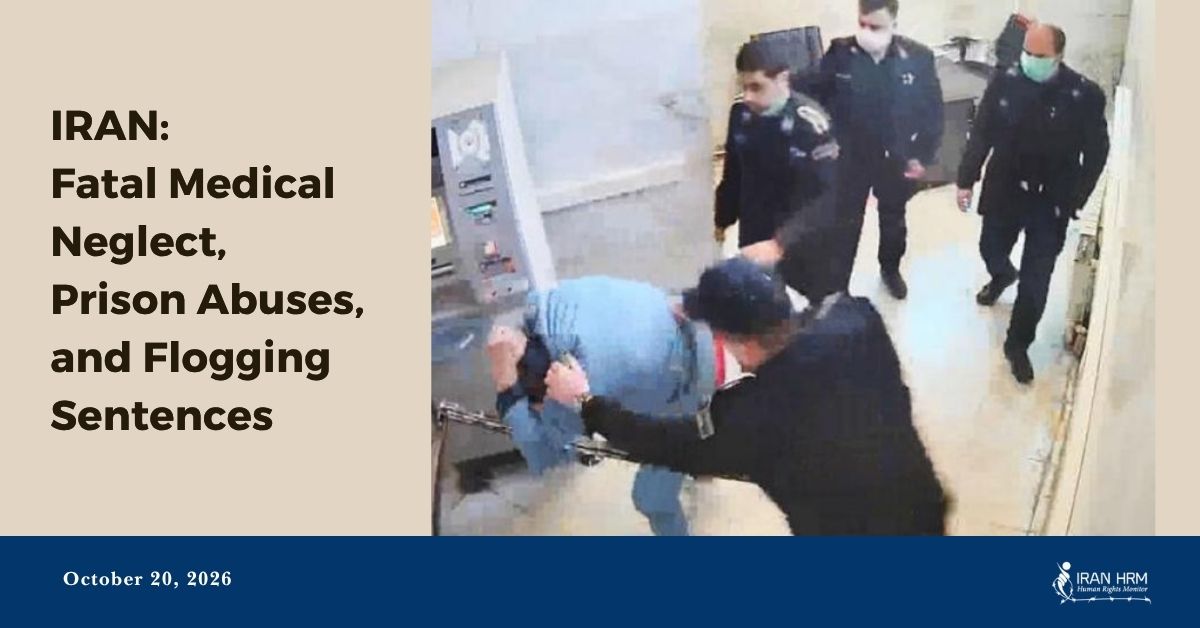
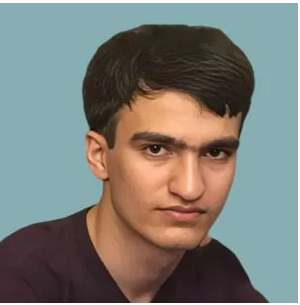
During a violent raid by prison guards on Hall 4 of Ward 7, political prisoner Amirhossein Moradi was severely beaten. Attempts by guards to transfer him to an undisclosed location met with vocal protests from fellow inmates, triggering further physical violence from security personnel. Officers forcibly moved several prisoners to a punitive facility referred to as “the cage”—a restricted area associated with disciplinary physical isolation—and subsequently transported them to unknown locations. No verifiable information regarding their physical condition or whereabouts has been made available.
Previous Raids (August 2026)
- August 8, 2026: Approximately 50 prison guards raided Halls 3 and 4 of Ward 7 at 11:00 AM, physically assaulting prisoners, destroying and confiscating personal belongings purchased at the inmates’ own expense, and forcibly removing four political prisoners: Amirhossein Moradi, Hassan Amidi, Ehsan Rostami, and Mojtaba Taghavi.
- August 1, 2026 : Guard forces stormed Ward 7 at 11:30 AM without explanation, violently assaulting political prisoners Amirhossein Moradi, Ehsan Rostami, and Afshin Heiratiyan. The officers inflicted physical injuries, tore the prisoners’ clothing, and forcibly removed them from the hall.
Violations of the Right to Life and Systematic Medical Deprivation
Death in Custody of Behzad Rezvanmehr Due to Denial of Treatment (Karaj Central Prison)
Behzad Rezvanmehr, a political prisoner held at Karaj Central Prison, died on October 15, 2026 [23 Mehr 1405] following deliberate medical neglect. Suffering from an acute allergic reaction compounded by a severe systemic infection, he sought emergency assistance at the prison clinic on the evening of October 14. Clinic staff administered a single unidentified injection and returned him to his cell without proper diagnosis, emergency evaluation, or transfer to an external medical facility. Fellow prisoners discovered his lifeless body the following morning. No independent report has been released regarding the nature of the injected medication, precise time of death, or official cause of death.
Unlawful Detention of Masoumeh (Farah) Nassaji
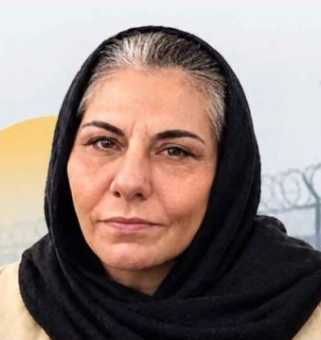
Masoumeh Nassaji, a 64-year-old political prisoner, remains incarcerated in Evin Women’s Ward despite suffering from severe cardiovascular disease, advanced asthma, joint degeneration, and suspected Multiple Sclerosis. The Iranian Forensic Medicine Organization officially determined that she is physically incapable of enduring imprisonment (Non-Tolerability of Punishment). Overcrowding, lack of ventilation, and exposure to harsh chemical cleaning agents have triggered recurring asthma attacks. Despite official medical findings, judicial and security authorities have refused to suspend her sentence under Article 502 of the Code of Criminal Procedure.
Respiratory Disease Outbreak in Evin Women’s Ward
On October 15, 2026, reports confirmed a widespread outbreak of a COVID-19-like respiratory illness across the Women’s Ward of Evin Prison. Nearly all inmates in the ward have contracted the illness, with several suffering from severe respiratory distress while being completely denied medical treatment and diagnostic testing.
Protest Hunger Strikes by Ahvazi Arab Political Prisoners
- Mokhtar Alboshoukeh: Serving a 25-year sentence, Alboshoukeh initiated a hunger strike on October 6, 2026 [14 Mehr 1405] to protest security officials’ failure to fulfill written commitments to transfer him back to Sheiban Prison in Ahvaz. By October 19, he entered his 14th consecutive day of hunger strike, suffering from pre-existing renal disease and a hernia without access to specialized medical care.
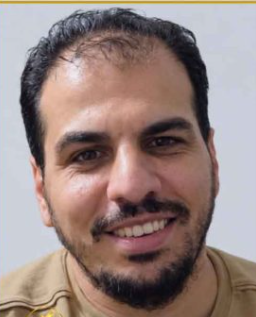
- Hamzeh Savari: Serving a life sentence at Ghezel Hesar Prison in Karaj, Savari began a solidarity hunger strike on October 14, 2026 [22 Mehr 1405] in support of Alboshoukeh, entering his 6th day on October 19.
Imposition and Execution of Degrading Corporal Punishment (Flogging)
Execution of 74 Lashes Against Petropars Hoveizeh Workers
In early July 4, 2026 [13 Tir 1405], Branch 101 of the Hoveizeh Criminal Court (presided over by Judge Malektabar Firozjani) sentenced over 10 terminated workers of the Petropars Hoveizeh Company to 74 lashes and a fine of 200 million IRR on charges of “blocking public roads” and “causing financial damages.” The workers had participated in peaceful labor protests over job security and contract non-renewals following years of employment at the South Azadegan oilfield project. The 74-lash sentences were officially carried out in recent days; many of them held university degrees and had years of specialized professional experience in the South Azadegan Oil Field.
Flogging Sentence for Student Protester Mohammadjavad Mohammadzadeh Tavasani
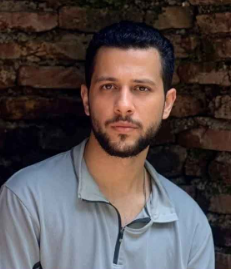
Mohammadjavad Mohammadzadeh Tavasani, a university student residing in Roudsar arrested during the January 2026 protests, was sentenced by the Lahijan Criminal Court in late August 2026 to 6 months imprisonment and 20 lashes on charges of “disrupting public order.” He is currently detained in Ezbaram Prison in Lahijan, while additional national security charges remain pending before the Rasht Revolutionary Court following a September 15 hearing.
Legal Assessment and International Norm Violations
- Violation of the Right to Life (Article 6, ICCPR): The failure to provide life-saving emergency treatment to Behzad Rezvanmehr and his subsequent death in custody represents an arbitrary deprivation of life attributable to state authorities.
- Prohibition of Torture and Cruel, Inhuman, or Degrading Treatment (Article 7, ICCPR; UN Convention Against Torture):
- Physical assaults by prison guards, violent transfers, and confinement in “the cage” constitute cruel, inhuman, and degrading treatment.
- Judicial Flogging: Under international human rights law and UN treaty body jurisprudence, judicial corporal punishment constitutes cruel, inhuman, and degrading punishment per se, reaching the threshold of torture.
- Deliberate denial of medical care: The continued imprisonment of Masoumeh Nassaji, despite the Legal Medicine Organization’s determination that she is medically unfit to serve her sentence and her lack of effective access to necessary medical treatment, may amount to inhuman and degrading treatment and constitute a violation of the State’s obligation to protect the health and dignity of persons deprived of their liberty
- Violation of the UN Standard Minimum Rules for the Treatment of Prisoners (Nelson Mandela Rules):
- Rules 24–35: Failure to provide immediate, specialized medical care and maintain sanitary conditions in the Women’s Ward.
- Rule 1: Breach of the fundamental mandate prohibiting degrading treatment and arbitrary destruction of inmates’ personal property.
- Violation of Labor Rights (ICESCR): Criminalizing peaceful industrial action by Petropars workers and responding to employment grievances with flogging violates fundamental union and labor protections.