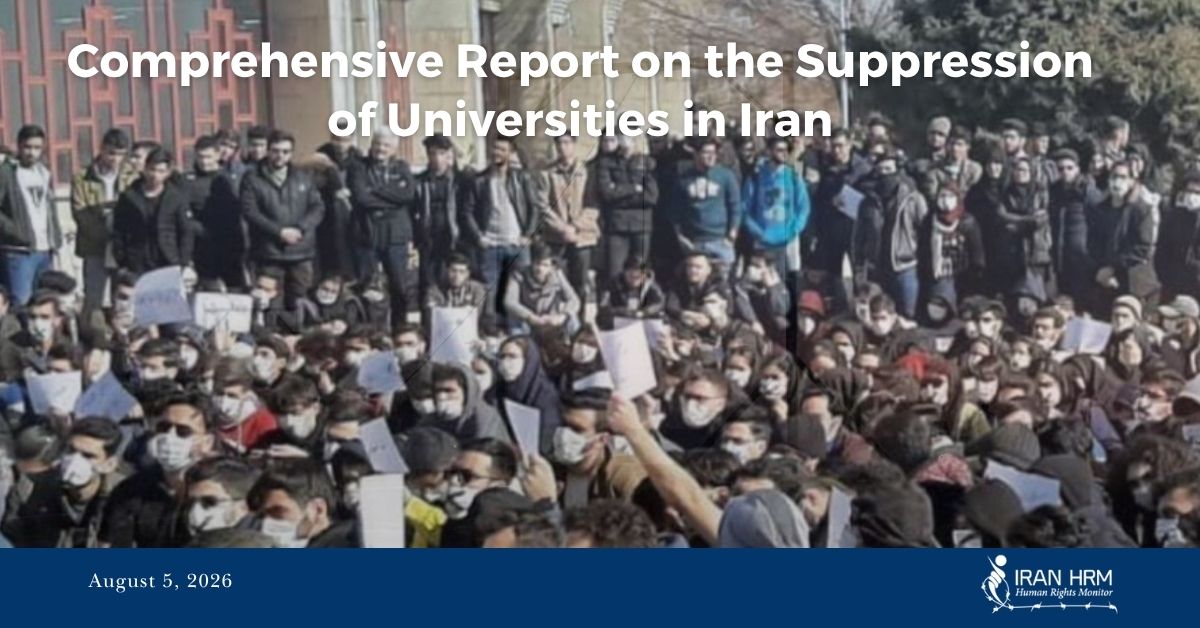
In every country, the words “university” and “student” evoke progress, new ideas, freedom of thought and belief, and, in short, the future human capital of the nation. In Iran, under the rule of the Islamic Republic, it is for this exact reason that universities are among the primary targets of security aggression and repression. This report details aspects of the organized violence and suppression directed against universities and students in Iran.

Multi-Layered Suppression of Universities and Students
Repression in Iranian universities encompasses the following measures:
- The killing of students during protests
- The execution of students
- Students facing the threat of execution
- Arrests, including street abductions, warrantless detentions, and transfers to unknown facilities
- Judicial sentences, including long-term imprisonment, travel bans, and death sentences
- Academic repression, including expulsion, suspension, campus bans, and revocation of dormitory and food services
- Pressure on professors, including termination, suspension, salary cancellation, and forced retirement
- The role of campus security (Harasat), including framing students and transmitting reports to security and judicial bodies
Compliance Assessment with International Standards and Laws
Repressive actions against academics constitute explicit violations of international treaties that the Iranian government is obligated to respect:
- Violation of the Right to Life (Article 6 of the ICCPR and Article 3 of the UDHR): Direct firing at protesting students, as well as issuing and executing death sentences.
- Prohibition of Torture and Cruel Treatment (Article 7 of the ICCPR and Article 5 of the UDHR): Psychological torture, prolonged solitary confinement, and conditions leading to suspicious deaths and suicide.
- Violation of the Right to Liberty and Security of Person (Article 9 of the ICCPR): Street abductions by plainclothes operatives, warrantless arrests, and transfers to unofficial detention centers.
- Violation of the Right to Education (Article 13 of the ICESCR): Issuing expulsion and suspension orders, dormitory bans, revoking access to academic portals, and obstructing education.
- Violation of Freedom of Expression and Peaceful Assembly (Articles 19 and 21 of the ICCPR): Cracking down on sit-ins and peaceful student protests and criminalizing the expression of opinions.
- Violation of Academic Freedom (UN Guiding Principles): Pressuring faculty, stopping salaries, terminations, and forced retirements for supporting student rights.
Killing of Students During the January 2026 Protests
To date, details of over 111 students who lost their lives at the hands of security and repressive forces during the uprising have been recorded. Names and details of several victims include:
- Mohammad Reza Ahangari: 20 years old, Management student at Science and Research Branch, Islamic Azad University; killed on January 8 in Tehran by direct gunfire from government forces.
- Mehrdad Ebrahimi: 21 years old, Civil Engineering student and professional athlete; killed on January 9 in Shahroud by gunshot.
- Kamyab Ahmadi: 30 years old, Electrical Engineering student at Azad University of Nurabad Mamasani; died on January 8 from direct gunfire by government agents.
- Robina Aminian: 23 years old, Fashion Design student at Shariaty Technical College in Tehran; shot and killed during street protests.
- Afshin Esfandiari: 24 years old, senior Architecture student and mountaineer; died on January 8 due to direct gunfire from repressive forces.
- Hadi Forough: 43 years old, Master’s student in Sports Physiology at Beheshti University and father of a 3-year-old child; killed on January 8 in Tehran after being shot in the heart.
- Ariana Arjamandi: 23 years old, Psychology student; killed during protests in Borujerd; her body was buried at night under strict security measures.
- Amirparsa Ashkbous (Microbiology, Islamic Azad University Tehran North Branch)
- Sara Boroumand (Law, Zarqan)
- Raha Bohloulipour (Italian Translation, University of Tehran)
- Aida Heydari (Medicine, Tehran University of Medical Sciences)
- Ahmad Khosravani (Sharif University of Technology)
Students Execution
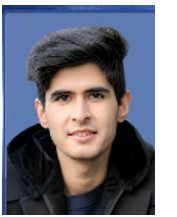 The most recent execution of a student involves political prisoner Mehdi Khanaki. He was a 25-year-old law student who was sentenced to death on February 10 by the judiciary of the Islamic Republic in connection with the nationwide January 2026 protests. His death sentence was carried out on July 22, 2026, in Ghezel Hesar Prison.
Students Facing Death Sentences
Students currently under death sentences facing an urgent risk of execution include:
- Sepehr Amirzadeh: 22-year-old medical student in Isfahan; his main charge stems from providing medical care and treating injured protesters; he has been sentenced to death.
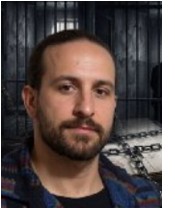 Armin Nourmohammadi: 27 years old, Architecture student; sentenced to death and at immediate risk of execution despite fundamental legal flaws in his case.
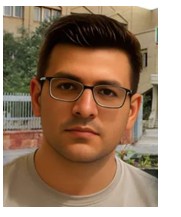 Ehsan Faridi: 22 years old, Manufacturing Engineering student at the University of Tabriz; sentenced to death on severe charges of Moharebeh (enmity against God) and Efsad-fil-Arz (corruption on Earth); currently held in Tabriz Central Prison.
Arrests and Harsh Sentences
According to field reports, many student arrests were carried out as street abductions. Plainclothes forces using unnumbered vehicles abducted students near university premises or during peaceful sit-ins without producing judicial warrants, transferring them to unofficial detention centers.
Notable sentences issued against students include:
 Ali Sanei: 22-year-old Computer Science student; sentenced to 10 years of discretionary imprisonment (Habs-e Ta’ziri), which was upheld on appeal.
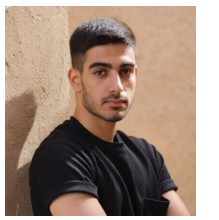 Iliya Bakhshai: Sports Science student at Yazd University; sentenced to 5 years in prison.
 Rahele Moeini: Master’s student in Biomedical Engineering; sentenced to 2.5 years in prison and a 2-year travel ban.
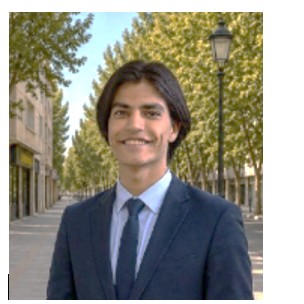 Erfan Arabi: 20 years old, Computer Engineering student at Islamic Azad University of Birjand and internet freedom activist; arrested on July 31, 2026, and transferred to Birjand Central Prison to serve a 3-year term. His charges include “propaganda against the state” and “assembly and collusion to act against national security.”
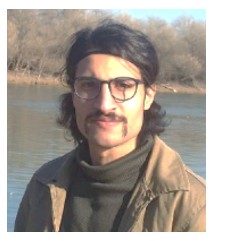 Ali Taherikia: Master’s student in Directing at the College of Fine Arts, University of Tehran; arrested during the January 2026 protests; sentenced to 2 years in prison on charges of “assembly and collusion with intent to disrupt national security” following a trial that lasted less than ten minutes.
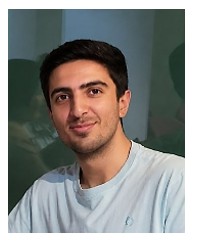 Danial Habibollahi: Law student and Master’s entrance exam candidate; held in prolonged pre-trial detention for over three months, missing his entrance exams.
- Ariana Koochaki: Student at Sharif University of Technology; arrested and remaining in prolonged pre-trial detention.
State Killings: Suspicious Deaths and Suicide Under Torture
- Farhad Salari and Erfan Taherkhani: Two 23-year-old top medical students at Tehran University of Medical Sciences; their lifeless bodies were discovered in their dormitory room at the Tehran University Dormitory Complex. The timing of the incident, alongside prior security pressure, raises serious questions regarding their suspicious deaths.
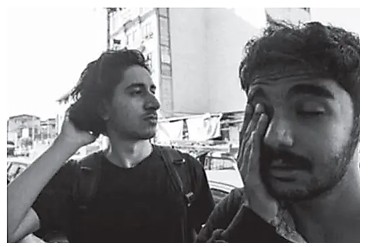
- Niya Samari and Elina Bahrami: Two University of Tehran students who were repeatedly threatened by campus security (Harasat) before dying under suspicious circumstances.
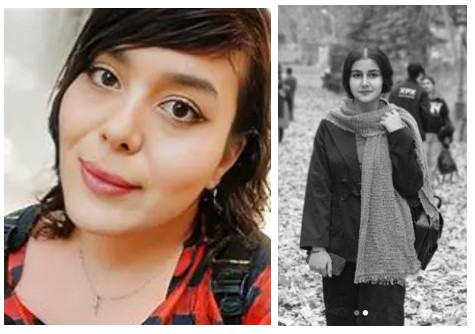 (From right to left: Elina Bahrami and Niya Samari)
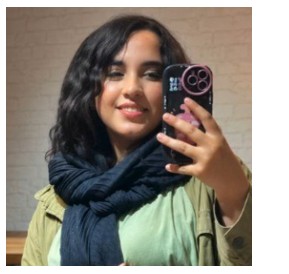 Mahshad Keshani: 22-year-old student in Isfahan; following the completion of her sentence, she was transferred to solitary confinement instead of being released, leading her to commit suicide. Rather than providing treatment, prison authorities transferred her to a psychiatric hospital for further psychological harassment.
Evolving Role of Campus Security (Harasat) and Security Framing
The Harasat department inside universities has shifted from an administrative unit into a direct extension of intelligence and judicial organs. Reports generated by Harasat are sent directly to Revolutionary Courts for prosecution, converting internal disciplinary cases into national security charges.
Extrajudicial Revocation of Welfare and Campus Access
For dozens of students, without formal disciplinary hearings or even after completing official suspension periods, the following unlawful actions have been enforced:
- Blocking access cards and physically banning entry to campus grounds.
- Abruptly cutting meal card privileges and access to the dormitory system.
- Forced eviction from dormitories, leaving non-local students stranded.
Statistics on Disciplinary Sentences, Expulsions, and Suspensions
- University of Tehran: Over 200 students summoned or involved in disciplinary cases. 40 students face extrajudicial measures; students such as Amirmohammad Karimi and Mahyar Eftekhari face expulsion orders.
- Sharif University of Technology: Over 40 disciplinary cases opened; more than 20 students suspended; 8 students expelled, including Fariborz Kohanzad, Parnian Khodabakhshi, Sepanta Saeedi, Hossein Shadman, Fatemeh Khakpour, Masiha Bagheri, Ariana Koocheki, and Reza Dalman.
- Amirkabir University of Technology (Tehran Polytechnic): Expulsion order issued for Amirmohammad Sourmeh (master’s student in Management); multiple other students suspended.
- Shahid Beheshti University: Access to academic systems revoked for over 25 students, alongside complete dormitory bans.
- Iran University of Science and Technology (IUST): 100 disciplinary cases opened; at least 8 students barred from education via simple email notifications.
- Soore University: 40 students summoned, 18 suspended, and 4 expelled. University officials forced suspended students to sign written commitments to cooperate with the Cultural Affairs Department in exchange for reduced suspension terms.
- Other Universities: 50 students deprived of educational/welfare rights at Birjand University; multiple suspensions at K. N. Toosi University, Alzahra University, and Sadjad University of Mashhad; expulsions documented at Allameh Tabataba’i University.
Professors Are Not Immune to This Wave of Repression
The wave of repression in universities is not limited to students. Even professors who have been hired through rigorous screening processes become targets of repression as soon as they refuse to cooperate with the machinery of oppression. For instance, dozens of professors who refused to sign student disciplinary orders, signed protest statements, or supported peaceful sit-ins have been subjected to severe pressure and retaliation.
- Dismissal and Contract Termination: Termination of tenure-track and contractual professors at the University of Tehran, Sharif University of Technology, Amirkabir University of Technology, Shahid Beheshti University, University of Kurdistan, and Hakim Sabzevari University.
- Suspension and Salary Cut: Abrupt and unlawful withholding of salaries and benefits of critical professors without due legal process.
- Forced Retirement and Revocation of Access: Summoning professors to off-campus security facilities and enforcing premature mandatory retirement for experienced faculty members.
Examples of Targeted Professors:
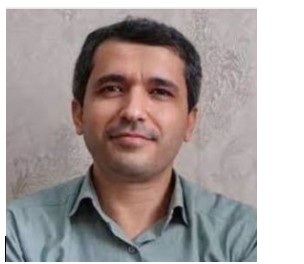 Dr. Ali Sharifi Zarchi – Sharif University of Technology: Expelled from the university due to his widespread support for students during the 2022 protests and his critical posts regarding the repression of universities.
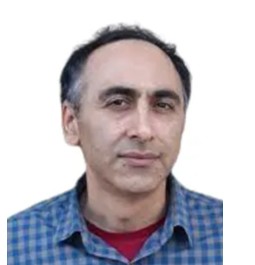 Dr. Masoud Olya – University of Tehran: Barred from teaching for signing the faculty statement protesting the arrest of students.
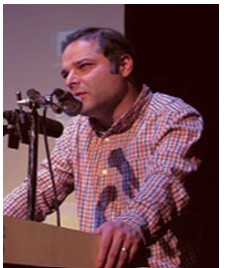 Dr. Amir Maziar – Tehran University of Art: Barred from teaching for signing the faculty statement in support of detained students.
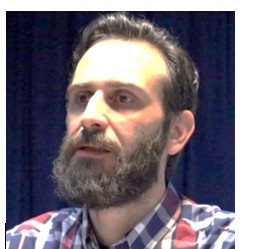 Mehdi Khoie – Allameh Tabataba’i University: Expelled and had his salary terminated due to his support for students and criticism of security crackdowns.
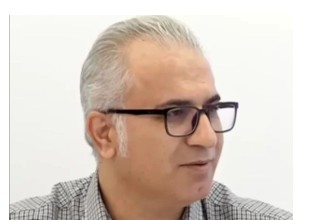 Mostafa Mehraeen – Institute for Humanities and Cultural Studies (Sociology): Sentenced to 5 years of discretionary imprisonment (Habs-e Ta’ziri) on charges of “assembly and collusion against national security,” “propaganda against the state,” and “insulting the Supreme Leader” following his explicit critical letters addressed to the Supreme Leader.
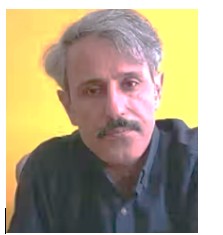 Hassan Bagherinia – Hakim Sabzevari University (Philosophy of Education): Sentenced to 10 years and 9 months in prison (partially suspended) on charges of “forming a group to disrupt national security,” “insulting the Supreme Leader,” “assembly and collusion,” and “propaganda against the state.” He had previously been expelled for supporting protesters.
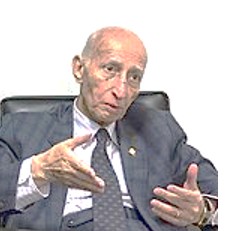 Dariush Farhud – Professor of Genetics at the University of Tehran (Father of the science of genetics in Iran): Abducted and detained during the 2022 protests due to his criticism of government screening policies; his current release status remains unconfirmed.
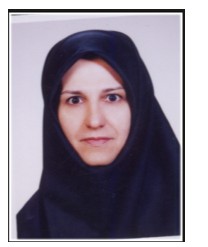 Fatemeh Mashhadi Abbasi – Full Professor at Shahid Beheshti University: Arrested and transferred to Evin Prison during the 2022 protests.
Imperative for Decisive International Action
The widespread and structural scope of university suppression in Iran reflects a systematic and grave violation of fundamental human rights. The Iranian government’s conduct toward academic institutions represents a clear breach of its binding international obligations, including the International Covenant on Civil and Political Rights (ICCPR) and the International Covenant on Economic, Social and Cultural Rights (ICESCR).
The international community, United Nations human rights mechanisms—specifically the Special Rapporteur on the situation of human rights in the Islamic Republic of Iran and the Independent International Fact-Finding Mission on Iran—alongside international academic unions, are obligated to take the following steps:
- Official Condemnation and Legal Accountability: Formally condemn state-sponsored repressive actions against universities and pursue international accountability for those responsible, including security officials, judicial authorities, and heads of campus security (Harasat).
- Dispatching Fact-Finding Missions: Independently investigate detention conditions, fabricated security cases, and the status of students facing death sentences or prolonged imprisonment.
- Upholding Academic Freedom: Exert pressure on the Iranian government to demand the immediate revocation of all disciplinary, judicial, dismissal, and suspension orders issued against students and professors, while insisting on the guarantee of the right to education and the safety of protesters.